

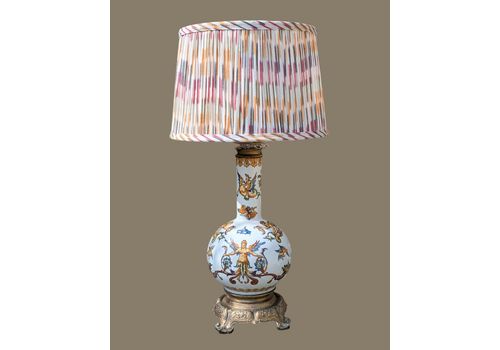
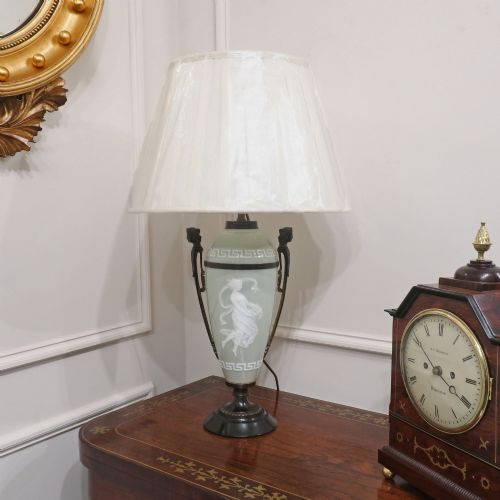
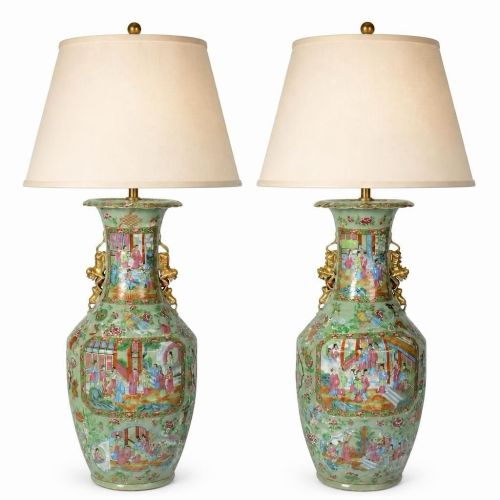
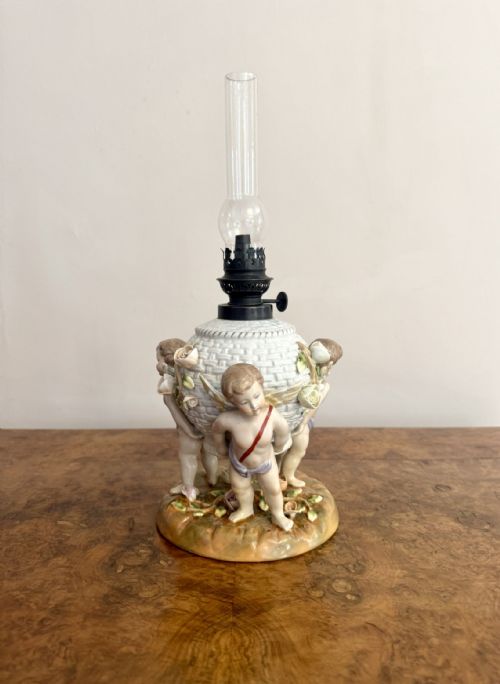

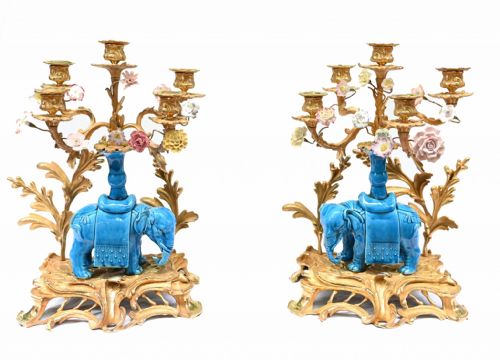
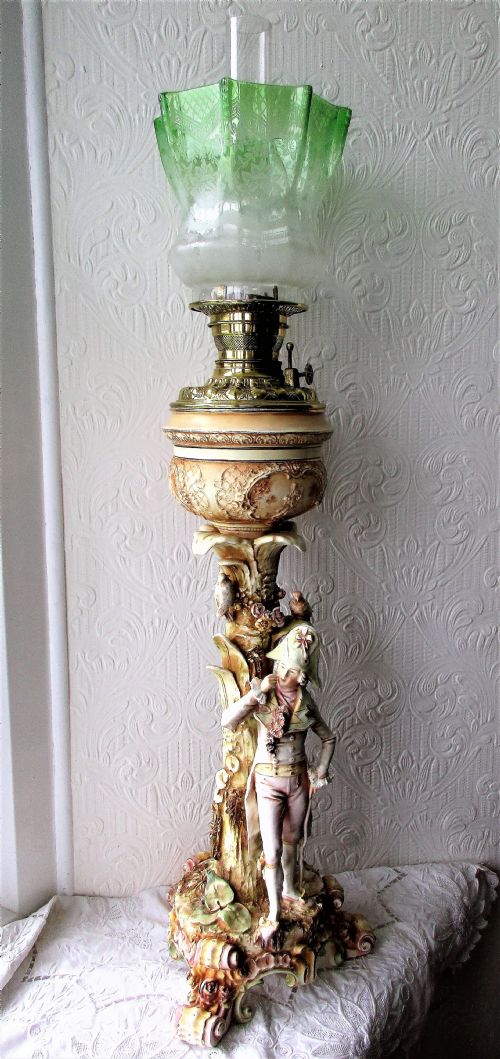


Decorative Ceramic Light
These decorative ceramic light pieces bring warmth and texture to a room, spanning periods from Regency to Art Deco.
Decorative Ceramic Light
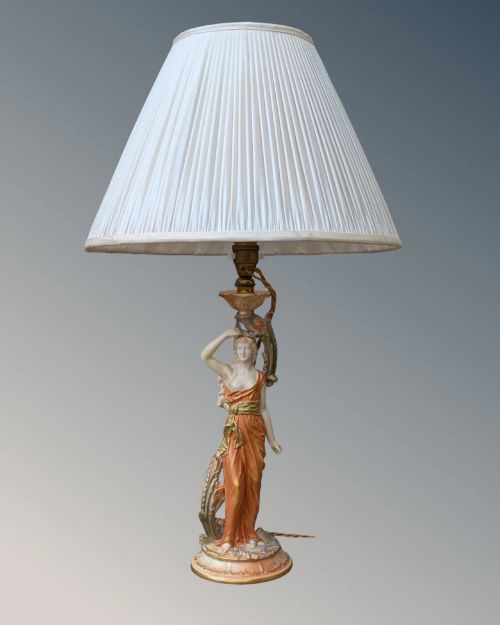
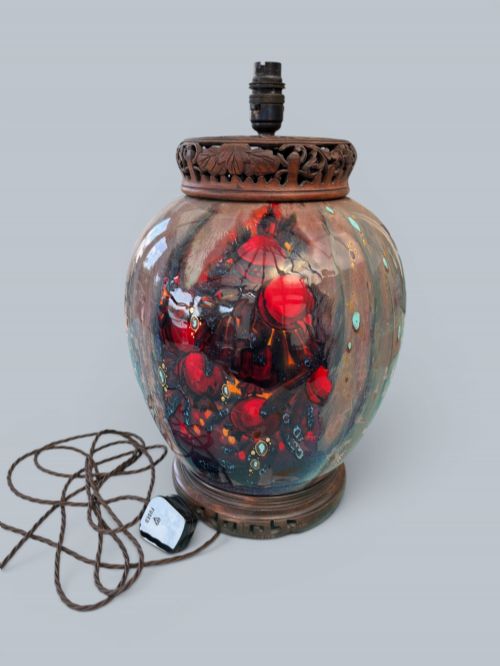
When you search for a decorative ceramic light, you encounter oil lamps, table lamps, candlesticks, and converted vases shaped from porcelain, ironstone, earthenware, and pottery.
The selections span Victorian, Art Deco, Arts & Crafts, and Japanese Meiji styles, incorporating brass, glass, wood, and fabric alongside the ceramic bodies.
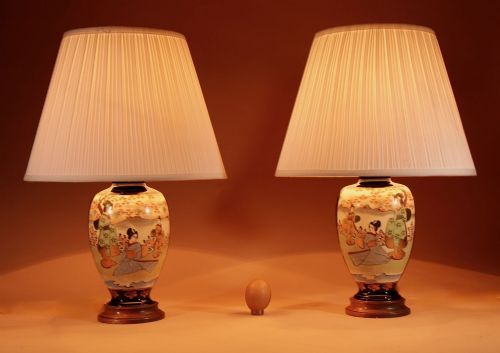
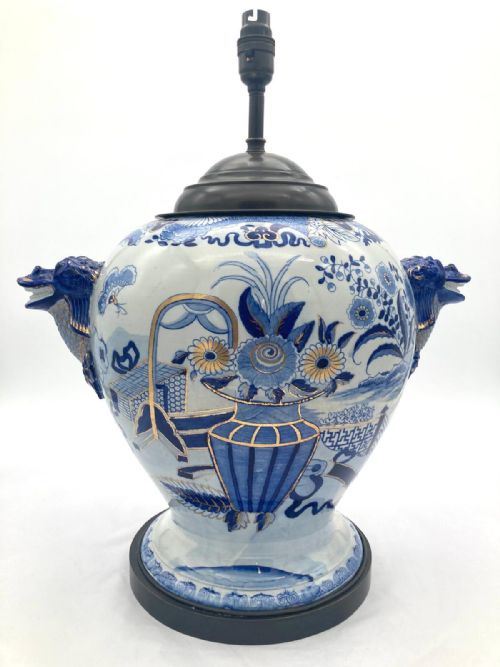
You are most likely to meet Victorian oil lamps and Japanese Satsuma table lamps on this page, alongside Chinese export vases adapted for lighting.
How they were made
These pieces rely on shaped ceramic and porcelain bodies combined with brass fittings, enamel work, and occasional bronze mounts.
Makers utilised techniques such as pate sur pate, hand-painting, and transfer printing on earthenware, ironstone, and fine porcelain.
Many items started life as vases, bowls, or figures before later conversion into wired lamps or fitted candlesticks.
Decorative Ceramic Light Retail Price Guide 2026
Typical asking prices for decorative ceramic light among the pieces listed under this phrase on Sellingantiques today, from the lower quarter to the upper quarter. They describe what is for sale here now, not the wider market.
Materials paired with ceramics across these items include brass, bronze, glass, enamel, fabric, and wood.
What varies in quality
Quality separates mass-produced items from finely hand-painted works featuring detailed enamel work, such as Satsuma wares or pate sur pate panels.
The execution of the ceramic body and the integration of brass components determine the visual balance and integrity of the piece.
Sitzendorf·Moorcroft·Royal Worcester·Wedgwood·Hicks and Meigh
The Decorative Ceramic Light Glossary
- Pate sur pate
- A method of applying raised white porcelain slip onto a coloured clay background to create a cameo-like relief effect. This technique demands immense skill from the ceramic artist.
- Satsuma
- A type of Japanese earthenware featuring a crackled creamy glaze decorated with polychrome enamels and gilding. These pieces were frequently exported to Europe and later converted into lamps.
- Ironstone
- A heavy, durable type of semi-vitreous pottery developed in the nineteenth century to imitate porcelain. It provides a sturdy body suitable for large decorative vessels.
- Faience
- Tin-glazed earthenware decorated with opaque coloured enamels. It often appears in nineteenth-century continental European lighting and decorative objects.
- Famille Rose
- A palette of Chinese ceramic enamels dominated by opaque pink or rose colours, introduced in the Qing dynasty. Pieces bearing these designs were often adapted as lamps.
Decorative Ceramic Light: Frequently Asked Questions
Are these lamps converted from older vases?
Many items listed as lamps started as vases, ginger jars, or decorative bowls before receiving electrical wiring or burner fittings at a later date.
This practice of adaptation allows antique porcelain and pottery vessels to serve a practical purpose in modern interiors.
How do I date a ceramic lamp?
Dating relies on stylistic markers, glaze types, and any maker marks stamped or painted on the ceramic base. Periods represented range from the eighteenth century through to Art Deco and mid-century designs.
Comparing the decorative motifs, such as Meiji Satsuma patterns or Victorian floral painting, helps narrow down the decade of manufacture.
What materials accompany the ceramic bodies?
Brass mounts, bronze elements, fabric shades, and wooden bases frequently pair with the porcelain and earthenware main bodies. Enamel and gilding also appear across various styles.
These mixed media constructions reflect the tastes of periods including the Victorian era and the Arts & Crafts movement.
How do I clean an antique ceramic light?
Dusting with a soft dry cloth preserves painted enamel, gilding, and delicate ceramic surfaces without risking moisture damage. Avoid harsh chemical cleaners that might strip old glazes or patinated brass.
Careful handling protects protruding elements like handles, bocage, and applied floral details.