

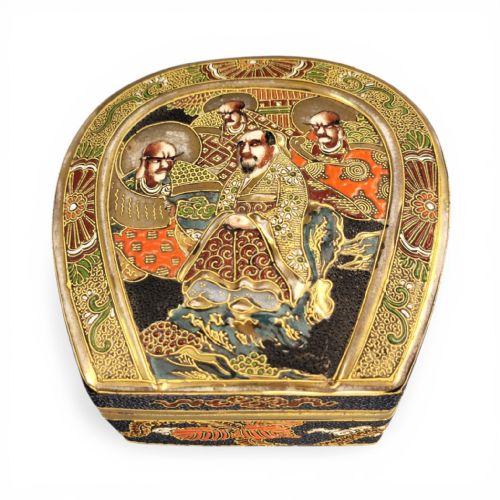


Decorative Ceramic Box
These decorative ceramic box pieces are small containers that bring colour and historic charm to a mantelpiece or dressing table.
Decorative Ceramic Box
A decorative ceramic box brings small-scale historic craftsmanship into a room, serving as a functional container for trinkets or jewellery. When you search for a decorative ceramic box, you encounter Victorian English biscuit barrels, French trinket boxes, and Italian table caskets.
The pieces on this page span the nineteenth century into the twentieth, encompassing periods such as Victorian and Edwardian production alongside Meiji period works. Styles range from Neoclassical and Rococo Revival to Victorian Arts and Crafts and French Art Nouveau.
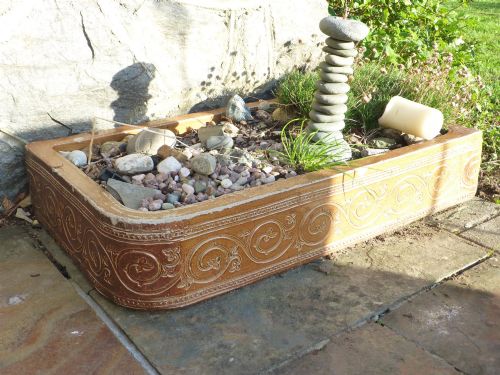
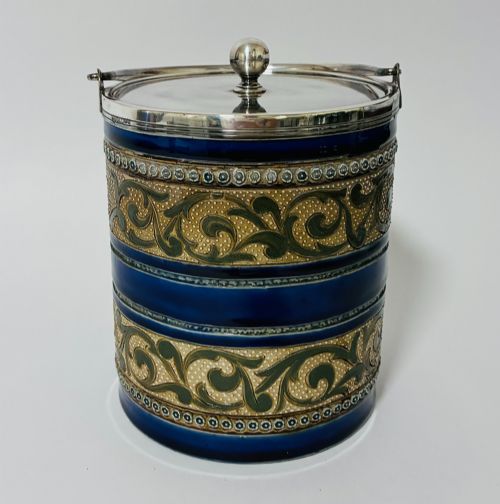
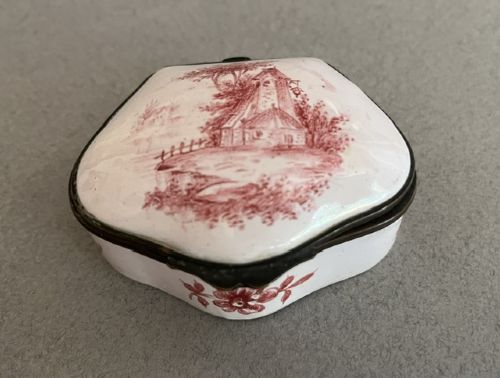
Formats vary from lidded pots and porcelain jewellery caskets to salt-glazed stoneware planters and biscuit barrels fitted with silver plate. Most examples combine ceramic bodies with metal mounts, hinges, or decorative lids.
How they were made
Makers shaped these objects using porcelain, earthenware, and salt-glazed stoneware, often firing the clay bodies at high temperatures to achieve durable finishes. Many nineteenth-century pieces combine these ceramic materials with brass mounts, silver plate, or wooden elements.
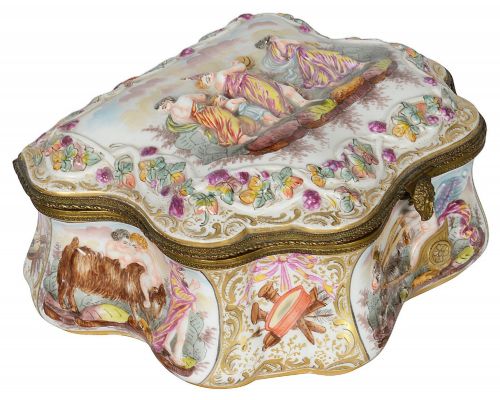
Surface decoration relies on hand-painted glazes, intricate enamelling, and moulded relief work, as seen in Capodimonte table caskets and Satsuma earthenware boxes. Metal components like hinges and rims are securely fitted to the fired ceramic structures to complete each lidded vessel.
Decorative Ceramic Box Retail Price Guide 2026
Typical asking prices for decorative ceramic box among the pieces listed under this phrase on Sellingantiques today, from the lower quarter to the upper quarter. They describe what is for sale here now, not the wider market.
Some biscuit barrels doubled as secret hiding spots for the household sugar supply when the pantry was locked.
What varies in quality
The refinement of the painted details and the crispness of moulded relief work separate standard production from finer examples. Hand-painted surfaces on porcelain and earthenware show varying degrees of precision by the artist.
The integration of secondary materials, such as silver-plated mounts on biscuit barrels or brass fittings on caskets, influences the overall coherence of the piece. Heavier gauge ceramic bodies and robust hinges indicate superior workshop standards during the Victorian and Edwardian eras.
Doulton Lambeth·Toshozan·Wedgwood·Meissen
The Decorative Ceramic Box Glossary
- Biscuit Barrel
- A lidded container used originally for storing crisp dry biscuits at the dining table. These vessels frequently combine ceramic bodies with silver-plated lids and swing handles.
- Salt-Glazed Stoneware
- Pottery finished by throwing common salt into the kiln during the high-temperature firing process. This technique produces a characteristic textured glaze resembling orange peel.
- Capodimonte
- A style of Italian porcelain originating from Naples, known for highly detailed sculptural relief figures and decorative motifs. These pieces often form the bodies of elaborate table caskets.
- Satsuma
- A type of Japanese earthenware featuring a pale, ivory-coloured cracked glaze decorated with enamel and gilt patterns. Such pieces were widely produced for export during the Meiji period.
Decorative Ceramic Box: Frequently Asked Questions
What were decorative ceramic boxes used for?
These vessels served various domestic functions, from holding small jewellery items and trinkets on a dressing table to storing dry biscuits in the dining room. Many examples were designed purely for display on tables and mantelpieces.
Smaller lidded pots and bonbonnieres held sweets or pins, while larger caskets protected valuable personal possessions.
How do I date a ceramic box?
Dating relies on examining the ceramic paste, glaze characteristics, and associated metal mounts like silver plate or brass hinges. Nineteenth-century pieces often display stylistic markers from periods such as the Victorian era or the Meiji period.
Maker marks, factory stamps, and the specific potting techniques used in salt-glazed stoneware or porcelain provide further chronological clues.
Are these boxes fragile?
While the fired ceramic bodies are inherently durable, delicate porcelain elements, painted enamels, and protruding relief details require careful handling. Metal mounts and hinges can also loosen over long periods of use.
Placing them away from high-traffic edges prevents accidental drops and preserves the surface decoration.
How do I clean an antique ceramic box?
Dusting gently with a soft, dry cloth removes everyday accumulation without harming painted or glazed surfaces. Avoid harsh chemical cleaners that might strip silver-plated mounts or degrade historic glazes.
If metal components require polishing, keep cleaning agents away from the ceramic body to prevent staining.