




Decorative Cast Iron Porter
A decorative cast iron porter keeps your heavy doors open with distinct Victorian character and solid weight.
Decorative Cast Iron Porter
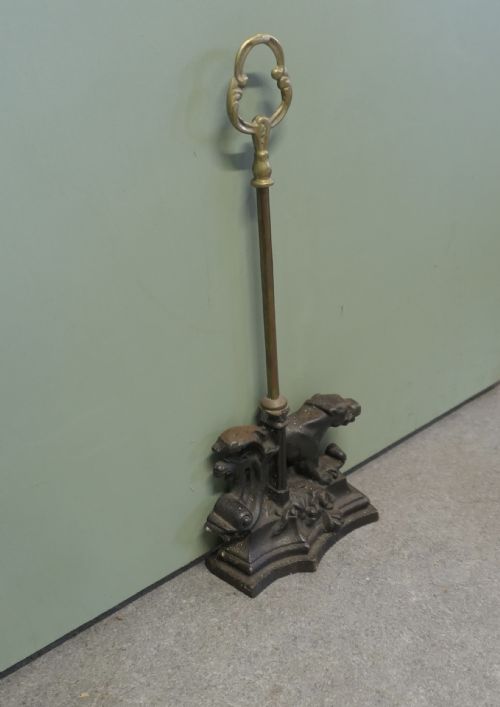
When you search for a decorative cast iron porter, you are looking at sturdy doorstops and door keepers designed to prop open heavy interior doors. The pieces on this page span the Victorian and Edwardian periods, including the year 1880.
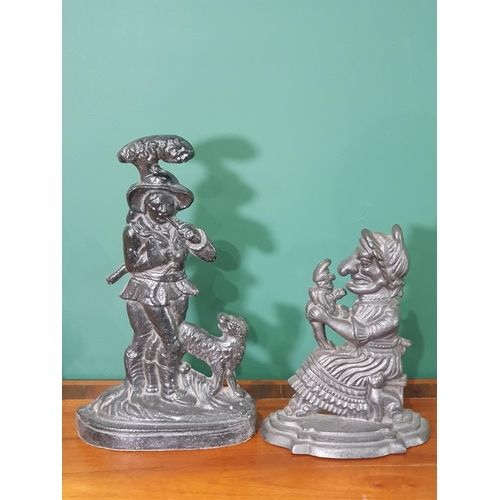
The forms you are most likely to meet range from figural subjects like Lord Nelson, Mr Punch, and knights to animals such as dolphins, elephants, lions, border collies, and retrievers. These heavy objects served a practical household purpose while adding ornamental interest to hallways.
Originating predominantly from English makers, these door porters frequently adopt Victorian Gothic Revival and Victorian Folk Art styles. They combine utility with sculptural presence, taking the shape of historical figures, theatrical characters, and loyal animals.
How they were made
Some pieces incorporate supplementary materials such as brass and wood elements to enhance specific details on the design. The casting process captures fine textures, from the folds of a knight's armour to the facial expressions of Mr Punch.
Mr Punch stands ready to guard your hallway, armed with a painted grin and enough iron weight to stop any slamming door.
What varies in quality
The crispness of the casting defines the upper tier of these doorstops, where fine details on faces, clothing, and animal fur remain sharp and well-defined. Softer outlines indicate worn moulds or secondary castings produced later in the production run.
Survival of the original painted surface significantly elevates a piece, showing authentic pigment rather than later repainting. Heavier specimens generally command greater respect for their ability to function effectively as door keepers.
The Decorative Cast Iron Porter Glossary
- Door porter
- A heavy weight used to keep a door open. These objects sit on the floor against the door leaf.
- Doorstop
- An alternative term for a door porter. Both designations refer to heavy functional items placed inside rooms to prevent doors from slamming.
- Cast iron
- An iron-carbon alloy poured into moulds to create solid objects. This heavy material provides the necessary mass for holding doors.
- Victorian Gothic Revival
- A nineteenth-century design movement drawing inspiration from medieval architecture and motifs. This style appears on figural pieces like knights and sentries.
Decorative Cast Iron Porter: Frequently Asked Questions
What is a decorative cast iron porter?
A decorative cast iron porter is a heavy nineteenth-century doorstop designed to hold interior doors open. They combine practical utility with sculptural forms ranging from animals to historical figures.
These pieces were standard household accessories in Victorian and Edwardian hallways. Today, they serve both their original purpose and as decorative shelf or floor ornaments.
How heavy are these doorstops?
These pieces possess substantial weight derived from solid cast iron construction. This mass allows them to hold open heavy wooden doors without sliding.
Weight varies depending on the specific form and size of the casting. Animal and figural door porters are engineered specifically to provide this necessary heft.
How do I date a cast iron doorstop?
Dating relies on stylistic clues, historical figures depicted, and manufacturing characteristics. Pieces often reflect Victorian or Edwardian aesthetic movements.
Subjects such as Mr Punch or Lord Nelson align with specific nineteenth-century cultural motifs. Examination of the iron surface and paint remnants also assists in determining age.
Where should I place a door porter?
These items function best against interior doors that require propping open in hallways or reception rooms. Their solid weight keeps them firmly in place on wooden floors or carpets.
Many collectors also display them purely as decorative sculptures away from doors. Their figural and animal designs make them suitable for display on hearths or shelves.