

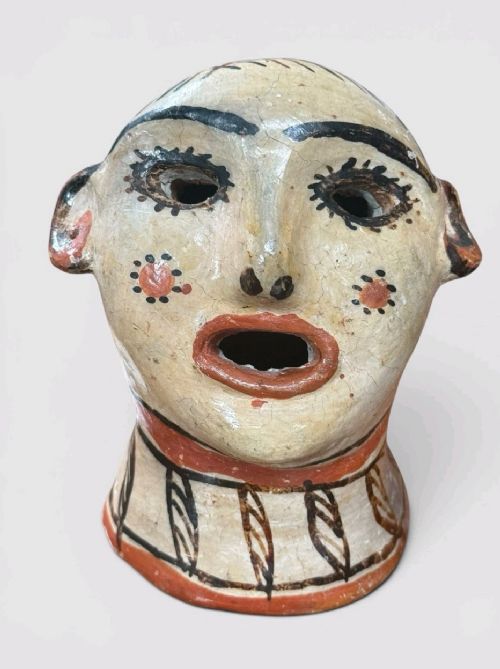


Decorative Bust Statue
These decorative bust statue examples capture centuries of portraiture in bronze, marble, terracotta, and plaster.
Decorative Bust Statue
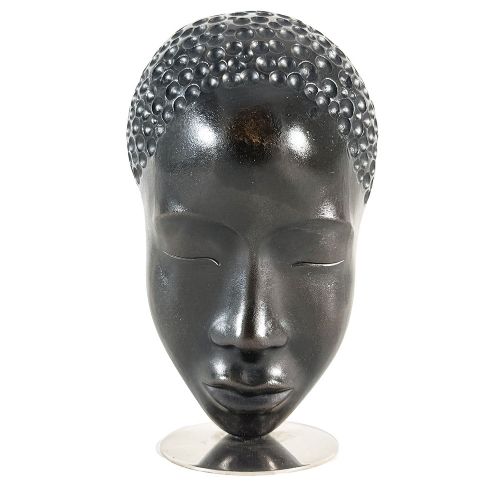
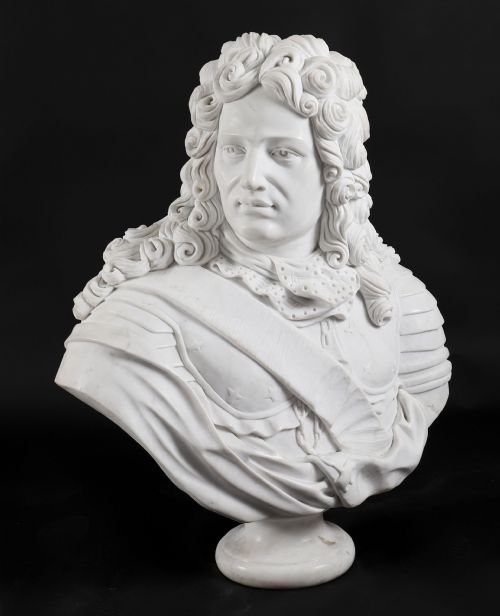
A decorative bust statue renders the head and shoulders of a subject, drawing on classical antiquity, Neoclassical ideals, and 19th Century French portraiture. The pieces on this page span diverse cultural traditions, ranging from Italian marble nobility to Peruvian folk art pottery and Indonesian dancers.
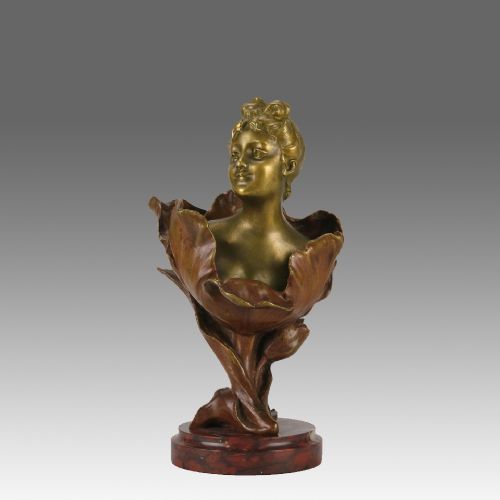
Most items you encounter here fall into periods from the 19th Century through the mid-20th Century, encompassing Art Nouveau, Art Deco, and Victorian styles. Forms range from life-size carved female torsos and historical figures like Homer to garden statuary on plinths.
Makers and sculptors give specific identity to many pieces, depicting subjects such as William Ewart Gladstone, the Venus de Medici, and mythological figures. Alongside European classical revivals, the selection includes African carved stone portrait busts and tribal wood carvings.
Materials and construction methods
Carving involves working directly into natural stone such as white marble, Carrara marble, alabaster, and solid wood. Artisans shape these dense materials using chisels and rasps to achieve detailed facial expressions, drapery, and textures.
Modelling relies on pliable mediums like terracotta, clay, and plaster which are shaped by hand or cast in moulds. Terracotta pieces are subsequently fired, while plaster versions often receive surface paint or gilt finishes.
Metal casting utilises bronze and spelter, frequently employing the lost-wax method for complex figurative shapes. Surface treatments then include applied patinas, paint, or gilding to enhance the visual depth of the metal.
Decorative Bust Statue Retail Price Guide 2026
Typical asking prices for decorative bust statue among the pieces listed under this phrase on Sellingantiques today, from the lower quarter to the upper quarter. They describe what is for sale here now, not the wider market.
Listings feature periods from the 19th Century to the 1960s, utilising materials such as marble, alabaster, terracotta, plaster, wood, and bronze.
Assessing quality in sculpture
The refinement of anatomical rendering and facial expression separates ordinary casting from masterwork carving. Subtle details around the eyes, hands, and hair demonstrate the sculptor's command over marble, bronze, or terracotta.
The choice and purity of the raw material dictate the dignity of the object. High-grade Carrara marble, unblemished alabaster, and heavy cast bronze elevate a piece beyond standard decorative plaster or painted finishes.
Hagenauer·Henri Godet·John Wenlock Rollins·Ernst Whaliss·Auguste Moreau
The Decorative Bust Statue Glossary
- Terracotta
- Fired clay used for sculptural modelling. This earthenware material allows for expressive surface textures and warm reddish-brown tones.
- Alabaster
- A fine-grained, translucent stone favoured for carving. Its softness permits intricate detail and gentle light penetration.
- Spelter
- A zinc alloy commonly used as a substitute for bronze in 19th Century figures. It is usually painted or bronzed to simulate heavier metal.
- Parian
- A fine white porcelain developed in the 19th Century to imitate carved marble. It possesses a smooth, unglazed matte surface resembling Parian marble.
- Patina
- The surface coloration and sheen developed through age or chemical treatment. On bronze and wood, it adds visual depth and historical character.
Decorative Bust Statue: Frequently Asked Questions
How were antique busts displayed?
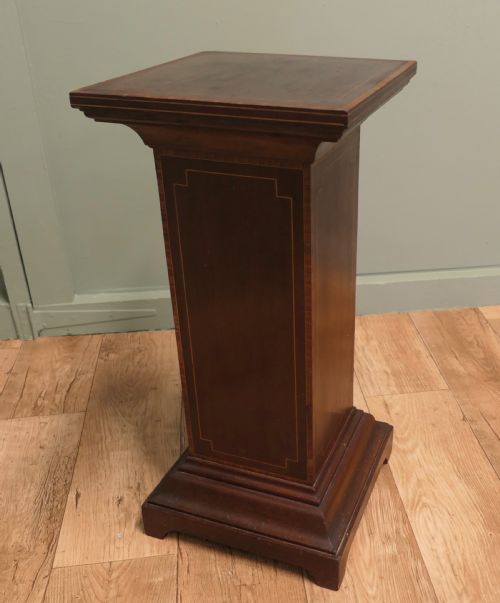
Historically, busts were placed on column display pedestals, mantelpieces, library shelves, or dedicated plinths. This elevated positioning gave them prominence within domestic and institutional interiors.
Today, placing a bust on a suitable pedestal or sturdy surface helps recreate this traditional architectural presentation.
How do I identify the material?
Inspecting the weight, temperature, and surface seams helps determine the medium. Marble and alabaster feel cold and heavy, whereas plaster is lighter and may show mould lines.
Metal pieces like bronze differ from spelter by their ring, weight, and the character of their patination.
Can these sculptures go outdoors?
Suitability for outdoor display depends entirely on the material. Terracotta, stone, and certain cast metals withstand garden environments if protected from frost.
Plaster, alabaster, and painted surfaces are strictly for interior use, as moisture and temperature fluctuations damage them.