




Decorative Bust Sculpture
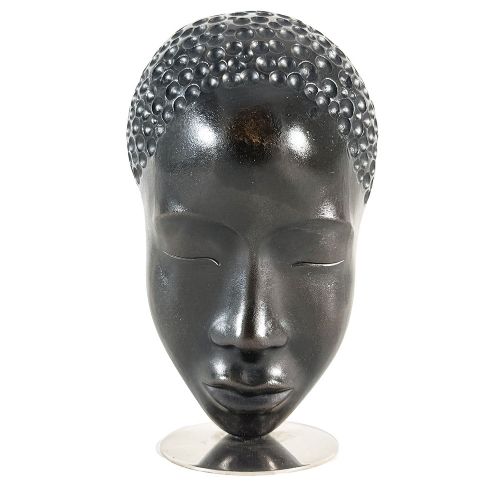
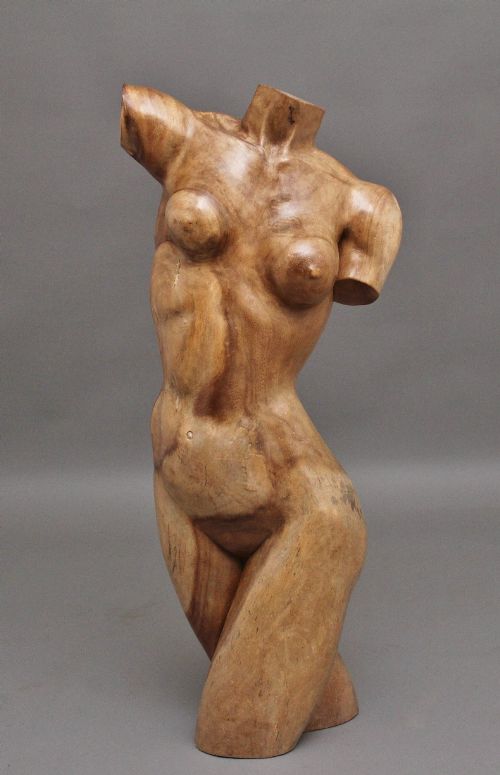
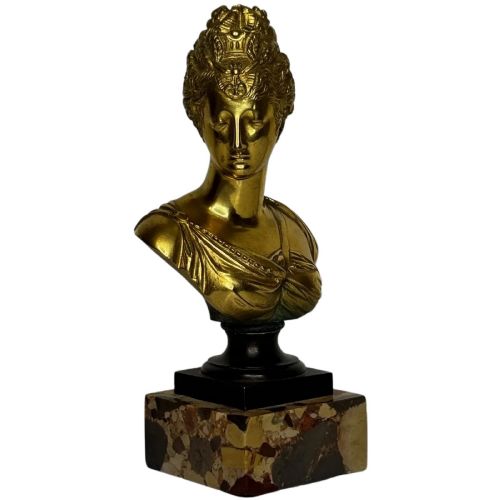
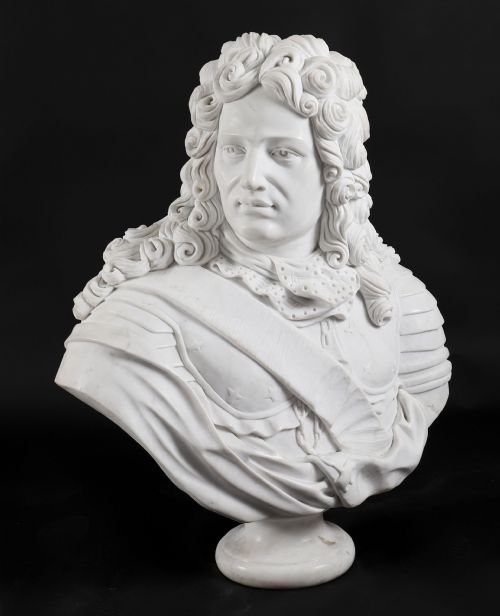
When you search for decorative bust sculpture, you meet portraits in bronze, marble, terracotta, and plaster capturing figures from classical deities to modern dancers.
Decorative Bust Sculpture
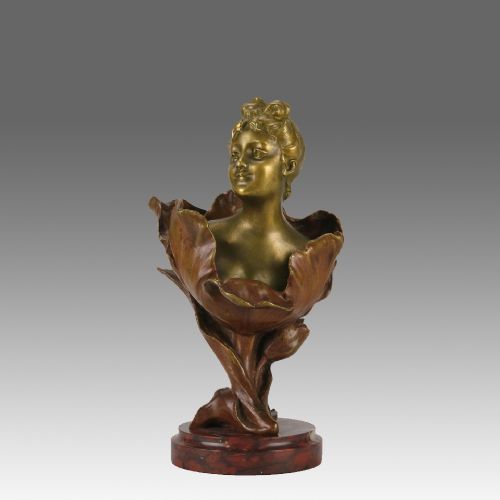
A decorative bust sculpture portrays a human subject from the chest or shoulders upwards, rendered in materials spanning the nineteenth century through the mid twentieth century. These objects draw on neoclassical models, classical revivals, and international folk traditions, alongside modern idioms such as Art Nouveau and Art Deco.
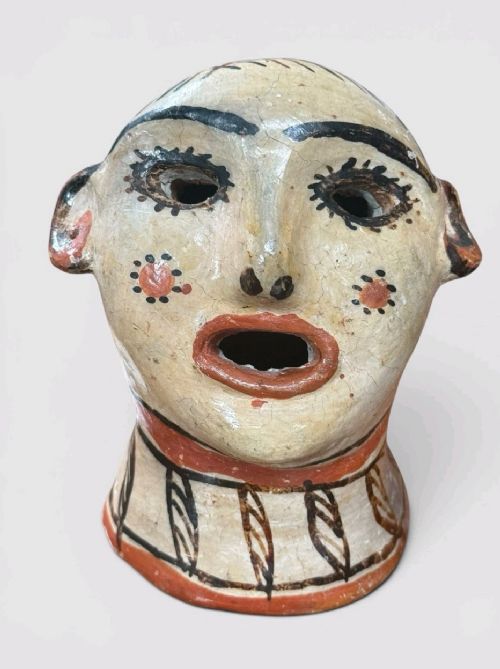
You will encounter works cast in bronze and gilt bronze, carved from solid marble and alabaster, moulded in terracotta and plaster, or shaped from wood and clay. The subjects range from historical figures and mythological characters like Diana de Poitiers, Homer, and the Venus de Medici, to anonymous portraits, noblemen, and tribal representations.
Originating across European workshops, Italian carving yards, and African sculptural traditions, these pieces function independently or stand atop matching display pedestals and columns. Their scale varies from cabinet-sized portrait heads to life-sized forms and garden statues designed for exterior placement.
How They Were Made
Makers shaped these sculptures through direct carving in stone, hand-modelling in clay, or casting from molten metal. Marble and alabaster pieces show the precise work of chisels and rasps on quarried stone, sometimes polished to a smooth finish or left with textured details.
Terracotta and plaster sculptures rely on moulds or manual building, capturing the plasticity of wet clay before firing or the crisp lines of dried gypsum. Metal casts utilise bronze, gilt bronze, and spelter, employing foundry techniques to capture fine surface details before applying patination, paint, or gilt.
Decorative Bust Sculpture Retail Price Guide 2026
Typical asking prices for decorative bust sculpture among the pieces listed under this phrase on Sellingantiques today, from the lower quarter to the upper quarter. They describe what is for sale here now, not the wider market.
Listings span the nineteenth century through the mid twentieth century, encompassing Neoclassical, Art Nouveau, and Art Deco styles.
What Varies in Quality
Quality rests in the precision of the modelling and the sensitivity of the hand that finished the surface. A superior carving or casting resolves anatomical details, drapery folds, and facial expressions with conviction rather than mechanical repetition.
The choice of material and the integrity of its surface treatment dictate longevity and aesthetic impact. Dense marbles, patinated bronzes, and well-fired terracottas retain crispness and weight, whereas secondary plaster casts can lose definition through worn moulds or heavy overpainting.
Hagenauer·Henri Godet·John Wenlock Rollins·Ernst Whaliss·Bohumil Rezl·Auguste Moreau
The Decorative Bust Sculpture Glossary
- Terracotta
- Fired clay used for sculptural modelling. It ranges in colour from pale buff to deep reddish-brown and often receives a painted or glazed finish.
- Spelter
- An alloy of zinc and lead cast to imitate bronze, common in nineteenth-century decorative figures. It is lighter than bronze and typically bears a painted or patinated surface.
- Alabaster
- A soft, translucent stone carved into portrait busts and decorative objects. Its light-gathering properties give carved skin tones a realistic glow.
- Patina
- The surface sheen or colour layer developed on bronze and wood over time or through chemical treatment. It protects the metal and adds depth to the modelling.
- Torchere
- A tall stand or pedestal designed to support a sculptural bust, lamp, or vase. Examples appear in carved wood, marble, and gilt finishes.
Decorative Bust Sculpture: Frequently Asked Questions
What materials are these sculptures made from?
These works utilise media such as marble, bronze, terracotta, plaster, alabaster, and wood. Each material imparts a distinct weight, texture, and visual presence to the portrait.
Surfaces are frequently enhanced with paint, gilt bronze accents, or natural patination developed over decades.
How do I display a large bust?
Busts of substantial scale sit comfortably on dedicated display pedestals, columns, or sturdy sideboards at eye level. This elevation allows the viewer to engage with the facial expression and modelling from the intended perspective.
Heavier stone and bronze pieces require stable, level surfaces that safely support their concentrated weight.
What is the difference between classical and art deco busts?
Classical and neoclassical busts draw directly on antique Greek and Roman models, focusing on idealized human forms, historical figures, and traditional drapery. Art Deco pieces from the twentieth century employ stylised geometries, sleek lines, and modern materials.
Art Deco works often reflect contemporary fashion and streamlined aesthetics rather than historical revivalism.