





Decorative Brass Pot
These decorative brass pot options span Victorian, Edwardian, and nineteenth century forms, bringing distinct metalwork into domestic spaces.
Decorative Brass Pot
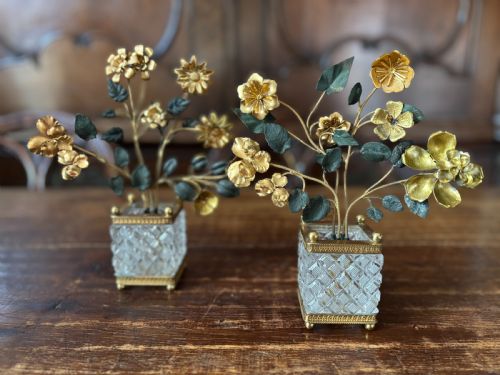
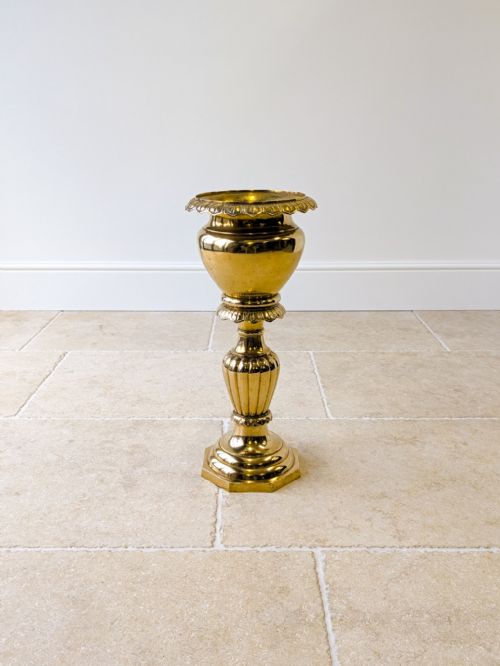
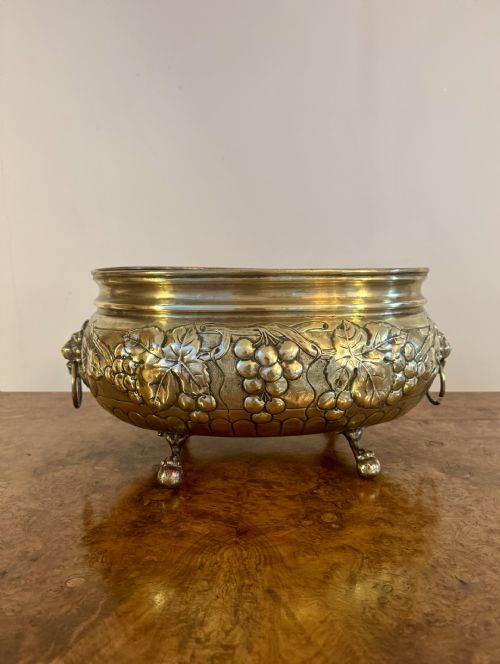
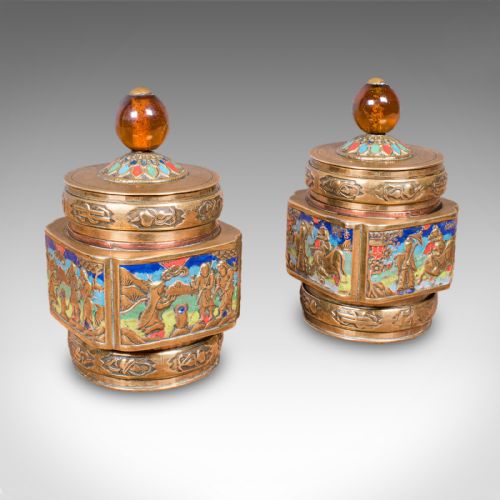
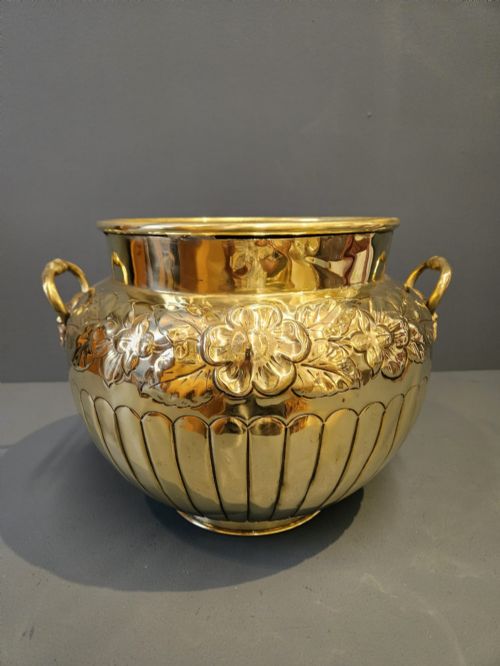
Buyers encounter distinct forms such as large coopered planters, pierced cylindrical vessels, and lidded ginger jars. These items serve multiple purposes within a room, functioning as plant stands, waste bins, or table centrepieces.
Origins stretch across British workshops, continental Europe, and East Asia, reflecting diverse manufacturing traditions. Pieces incorporate materials such as copper, enamel, porcelain, and marble alongside the primary metal.
How they were made
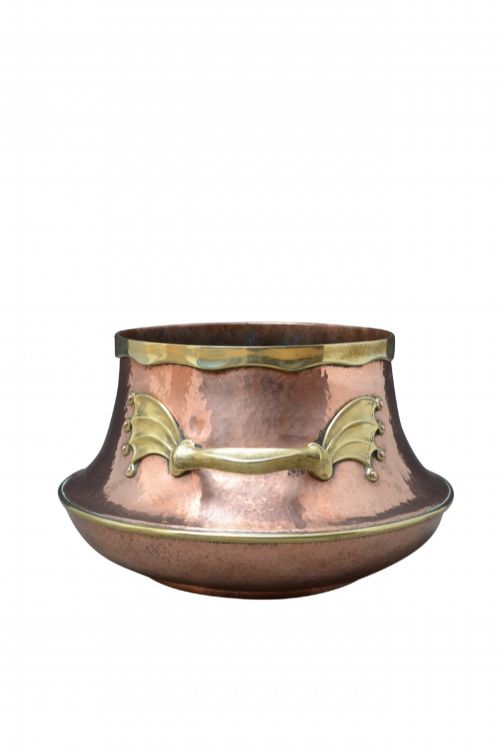
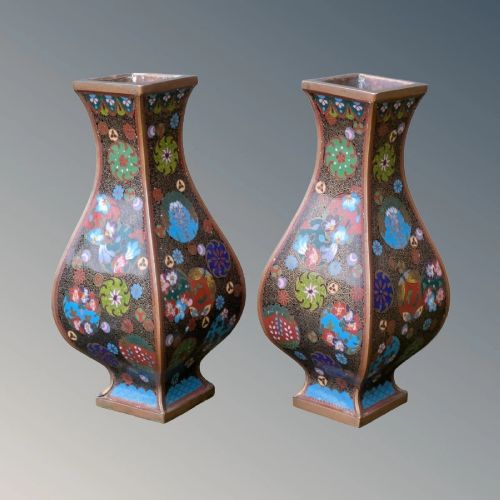
Metals such as brass and copper undergo hammering, embossing, and piercing to create textured surfaces and decorative pierced galleries. Artisans utilise techniques like champleve and cloisonne enamel to add colourful botanical and geometric patterns.
Composites bring together heavy metals with turned teak, white marble, or cut glass inserts to form substantial desk accessories and plant stands. Hand-carved and chased decoration further defines items originating from regional workshops.
Decorative Brass Pot Retail Price Guide 2026
Typical asking prices for decorative brass pot among the pieces listed under this phrase on Sellingantiques today, from the lower quarter to the upper quarter. They describe what is for sale here now, not the wider market.
Listings feature periods spanning from the eighteenth century through the Edwardian era, incorporating materials like bronze, marble, and enamel.
What varies in quality
The definition of the hand-chased surface detail separates standard production items from finer artistic metalwork. Weight and gauge of the brass or copper plate dictate the structural integrity of larger planters and jardinieres.
The integrity of applied enamel work and the quality of secondary materials like turned teak or marble bases indicate the original maker's investment in the piece. Well-preserved original glass inserts and fittings retain higher contextual value.
The Decorative Brass Pot Glossary
- Jardiniere
- A large decorative pot or stand intended for holding growing plants or flowers. These vessels often sit on floors or heavy tables.
- Cloisonne
- A metalwork technique where thin wire partitions form cells that hold enamel paste before firing. This method creates intricate coloured patterns across vases and jars.
- Dinanderie
- A term for various objects made of beaten or shaped brass and copper. It describes medieval and revival metalware produced in European centres.
- Chased
- Metal decorated by hammering tools from the exterior to sink the design. This technique produces low-relief surface patterns.
- Coopered
- Wood staves joined together with metal bands to form a cylindrical container. Large plant tubs often utilise this traditional barrel-making method.
Decorative Brass Pot: Frequently Asked Questions
What is a decorative brass pot used for?
These vessels primarily function as planters, desk accessories, or display pieces within domestic interiors. Historical uses included housing large floor plants or holding writing equipment.
Today they suit similar decorative purposes, adding metallic warmth and texture to mantelpieces, side tables, and entrance halls.
How do I clean an antique brass pot?
Maintaining these objects requires minimal intervention to preserve the natural aged patina developed over decades. Gentle dusting with a soft cloth removes surface debris safely.
Harsh chemical polishes strip away historical character and should be avoided in favour of simple dry maintenance.
How do I date a Victorian brass jardiniere?
Dating relies on observing manufacturing marks, construction methods, and stylistic influences present in the metalwork. Victorian pieces often exhibit heavier cast components or hand-beaten surfaces characteristic of nineteenth-century production.
Comparing the form and decorative motifs with documented examples helps narrow down the period of creation.
Are these pots suitable for live plants?
Many of these vessels functioned as jardinieres or planters designed to hold potted plants inside homes. Using a plastic liner protects the historical metal interior from moisture damage.
Careful watering prevents standing water from accumulating at the base of the antique container.