


Decorative Brass Lights
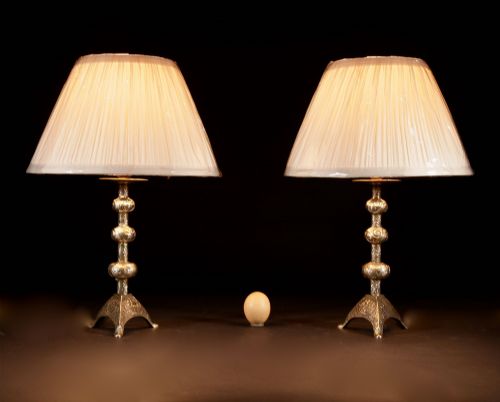
Decorative brass lights bring warmth and metallic brilliance into a room, spanning table lamps, wall sconces and grand chandeliers.
Decorative Brass Lights
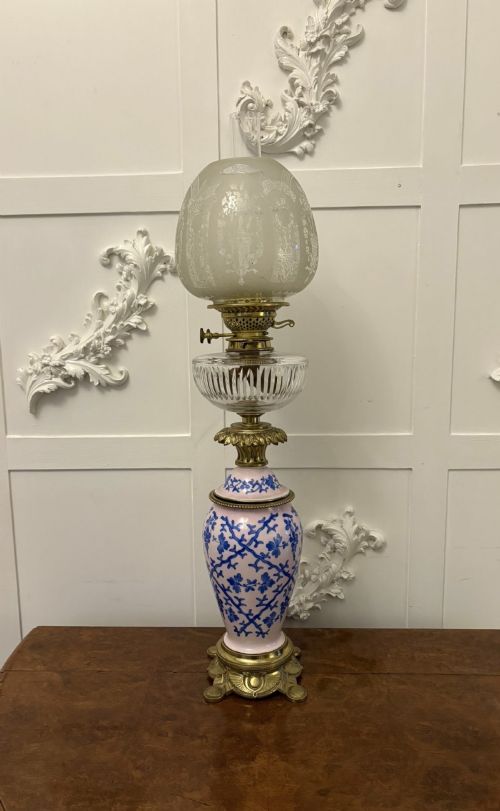
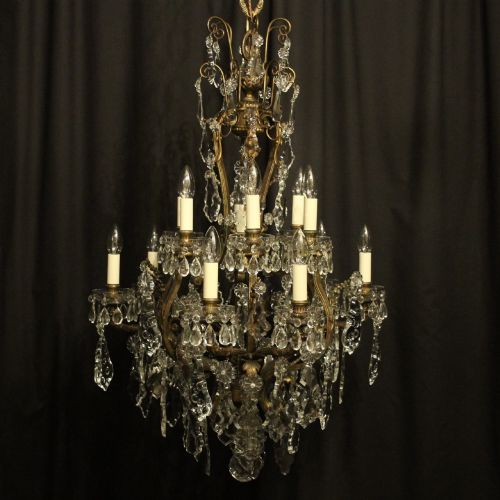
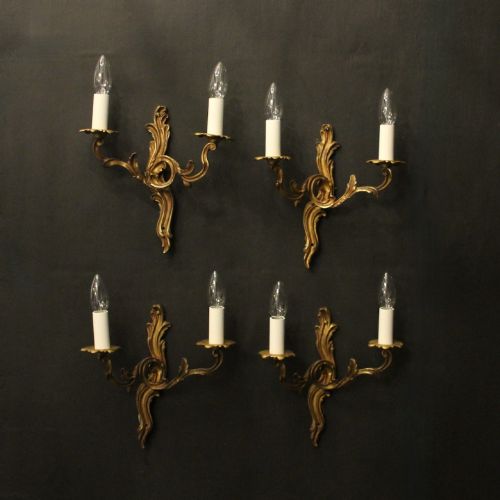
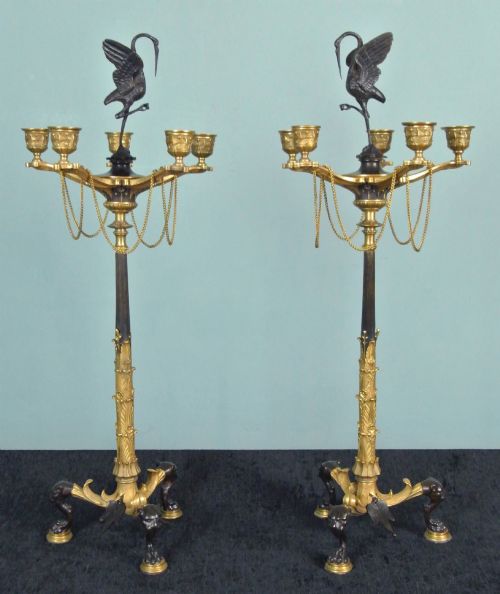
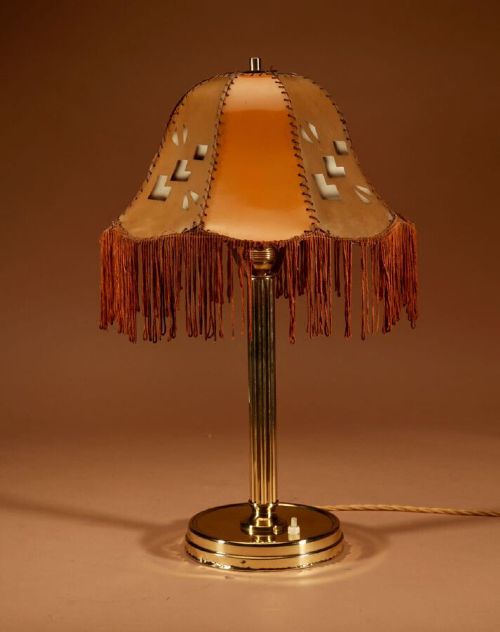
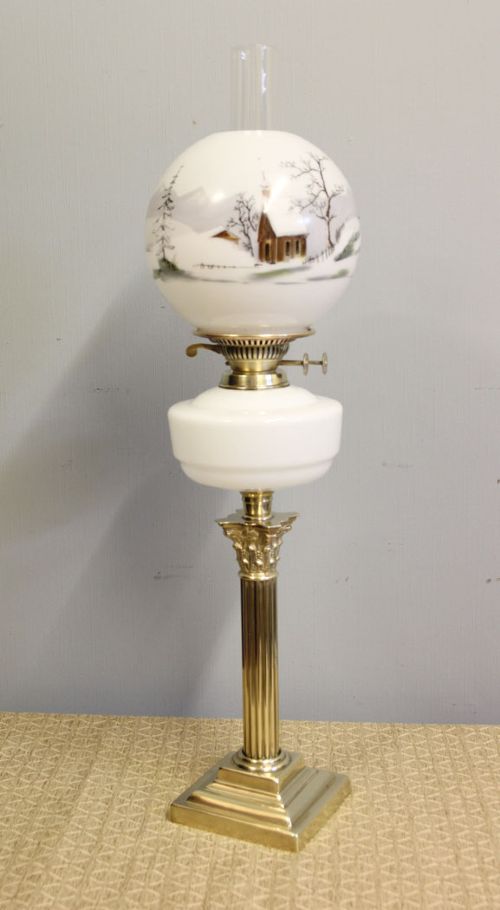
Decorative brass lights encompass a wide array of illumination forms, from nineteenth-century oil lamps and column table lamps to French gilt bronze wall lights and chandeliers. When searching for decorative brass lights, buyers encounter pieces rooted in periods such as the Victorian and Edwardian eras, alongside Art Deco and French Neoclassical styles.
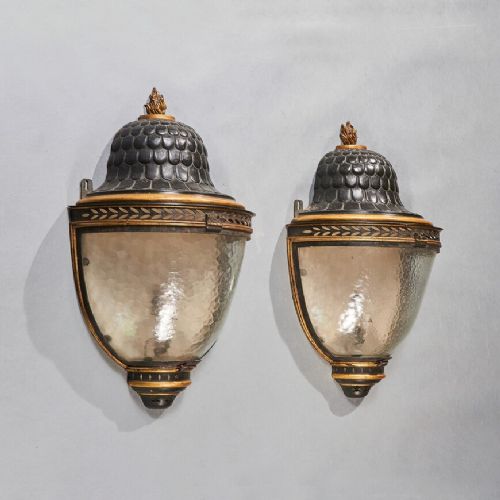
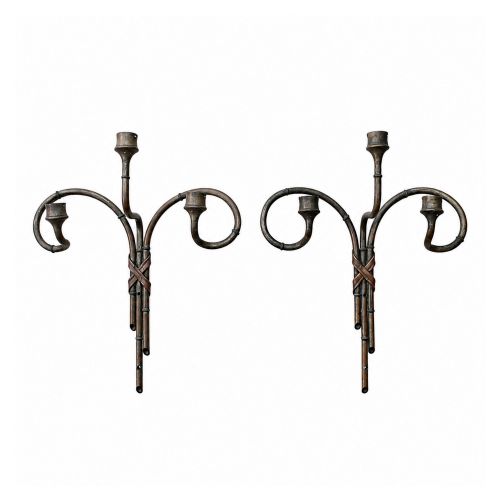
The selection frequently includes paired wall sconces, candelabra and hanging lanterns, alongside utilitarian forms adapted for domestic illumination. Materials frequently combine with the metal, incorporating glass shades, crystal drops, porcelain fonts and fabric elements.
Origins stretch across British, French and American workshops, with stylistic influences drawing on Rococo, Regency and Romanesque revivals. These items serve both practical lighting needs and interior ornamentation.
How they were made
Construction relies heavily on casting and gilding techniques, utilising brass, ormolu, gilt bronze and standard bronze to build structured frames and mounts. Metal components are frequently paired with blown or etched glass, porcelain reservoirs and leaded stained glass.
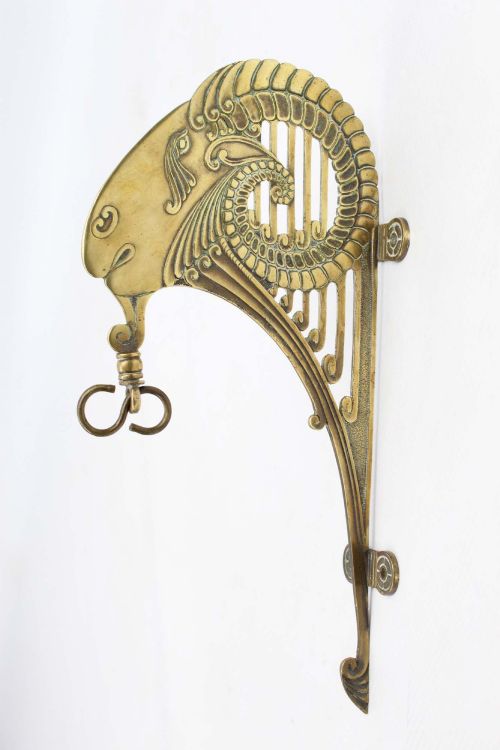
Detailed finishing includes chased surface decoration, patination and parcel-gilding, securing decorative elements such as ram's head masks and crystal drops onto the primary metal chassis.
What varies in quality
Quality differences manifest in the crispness of the metal casting and the depth of the chasing on bronze and brass components. Superior examples display refined hand-finishing on decorative motifs rather than smooth, mass-produced uniformity.
The integration of secondary materials dictates overall calibre, distinguishing heavy crystal drops and hand-etched glass shades from simpler alternatives. Construction integrity in multi-arm chandeliers and wall lights also separates standard utilitarian items from finer decorative pieces.
Barbedienne
The Decorative Brass Lights Glossary
- Ormolu
- Gilded bronze, where a gold-mercury amalgam is applied to a bronze base. This technique creates a rich, matte golden surface common on French decorative metalwork.
- Champlevé
- An enamelling technique where troughs or cells are carved into the surface of a bronze or brass object and filled with vitreous enamel before firing.
- Candelabra
- A branched candlestick designed to hold multiple tapers or candles. These often match the decorative style of contemporaneous wall lights.
- Tole Peinte
- Painted sheet metal, frequently used for decorative lanterns and shades. It introduces vibrant colour accents to metallic light fixtures.
- Sconce
- A wall-mounted lighting fixture designed to hold candles or electric lamps. They frequently appear in matched pairs.
Decorative Brass Lights: Frequently Asked Questions
How do I identify a Victorian oil lamp?
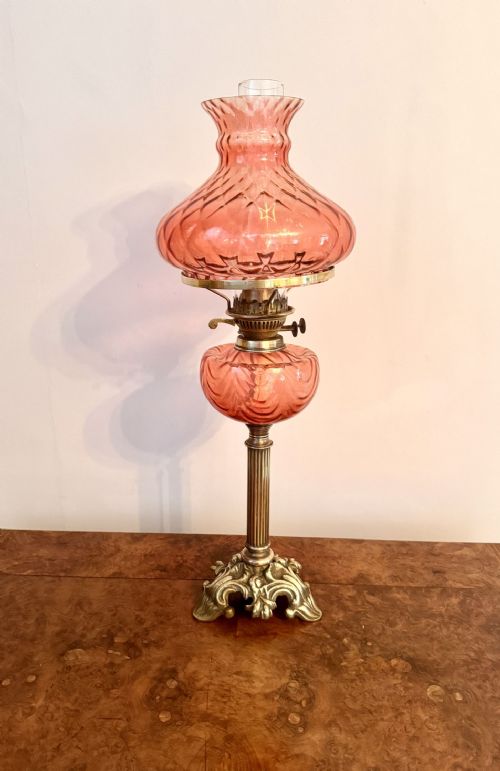
Victorian oil lamps often feature heavy brass or porcelain reservoirs paired with etched glass shades. They frequently incorporate columns or figural stems characteristic of nineteenth-century production.
Examine the base construction and burner mechanisms, which often bear period manufacturing stamps or patent marks.
What is the difference between ormolu and brass?
Ormolu consists of a gilt bronze base treated with a gold amalgam, producing a deep, luminous golden finish. Brass is a copper-zinc alloy with a brighter, yellower metallic composition.
Ormolu is typically found on finer French decorative items, whereas plain brass serves more utilitarian or robust domestic objects.
How were wall sconces used historically?
Wall sconces were positioned in pairs or sets along reception room walls to reflect candlelight from mirrors and enhance interior illumination. They provided adjustable or ambient lighting before the widespread adoption of electricity.
Many surviving pairs retain fixtures adapted from earlier candle setups to gas or electric wiring.
Can Art Deco lights use brass?
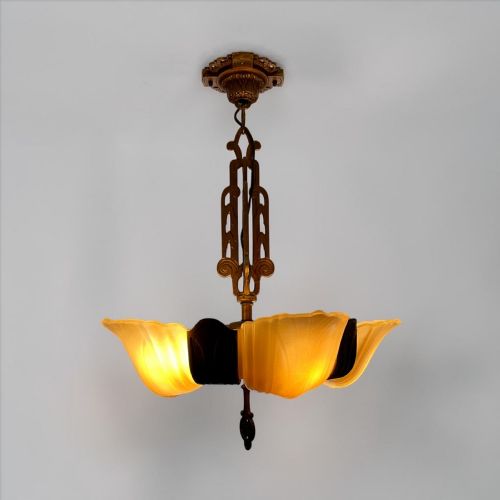
Art Deco lighting frequently utilises brass and gilt metals alongside geometric glass shades and slip shades. These pieces emphasise linear forms and modern industrial aesthetics.
Such designs date predominantly from the 1920s and 1930s, contrasting with earlier ornate Victorian and Revival styles.