

Decorative Brass Lighting
Decorative brass lighting encompasses metal fittings that illuminate rooms, ranging from oil lamps to chandeliers, offering period character to an interior.
Decorative Brass Lighting
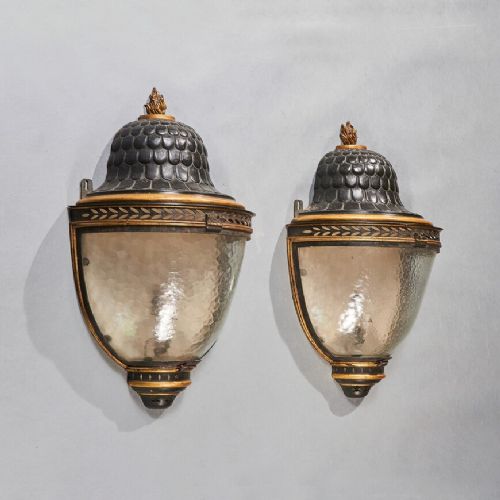
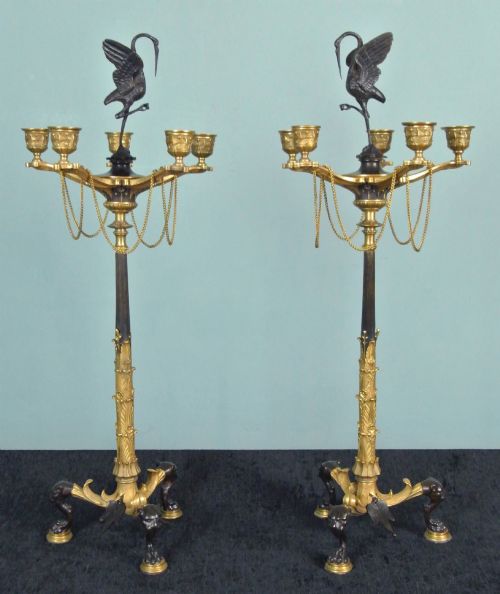
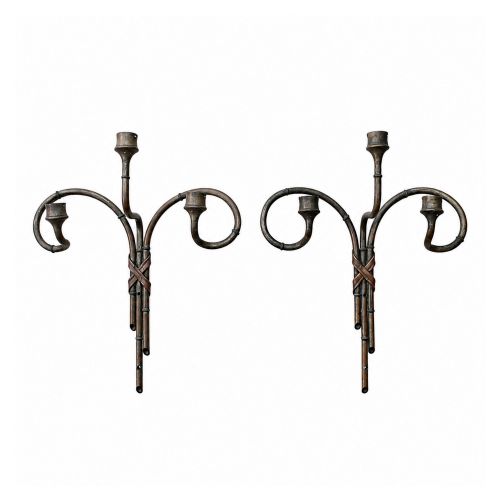
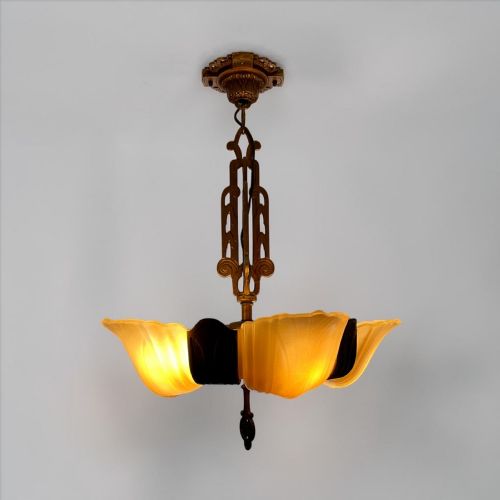
Decorative brass lighting covers wall sconces, chandeliers, table lamps, and candlesticks originating across the nineteenth and early twentieth centuries. These objects reflect stylistic movements from Victorian and Edwardian periods through to Art Deco and French Rococo Revival.
Buyers encountering this selection regularly find wall lights and oil lamps fashioned from brass, gilt bronze, and ormolu. Pieces span French, English, and American origins, capturing domestic illumination from eras past.
Materials and construction
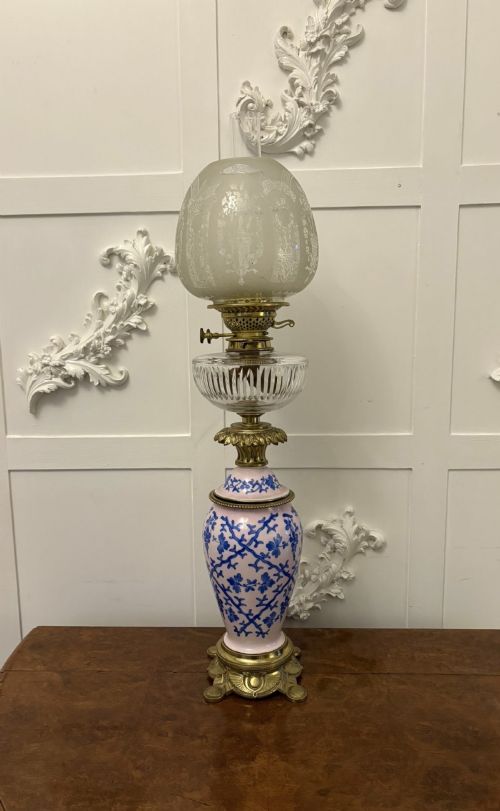
Items rely on cast brass, bronze, and ormolu, frequently combined with cut crystal drops, porcelain fonts, and glass shades. Metal components receive finishing through gilding or patination to achieve varied surface textures.
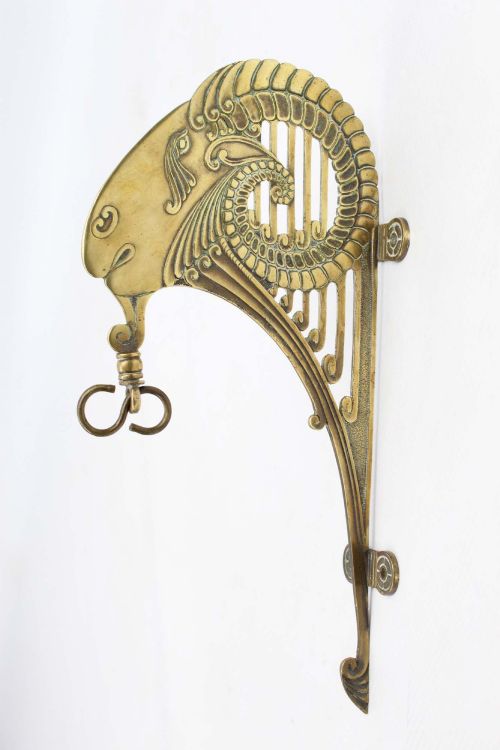
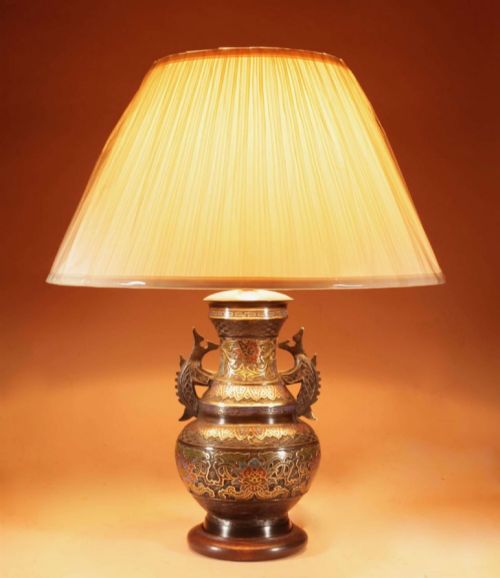
Assembly methods unite heavy metal castings with threaded fixings, paired with applied decorative elements such as ram's head masks or champlevé enamel work. Porcelains and leaded stained glass often integrate directly into the metal framework.
Materials span heavy cast ormolu, cut crystal, porcelain, and leaded stained glass applied across various domestic lighting forms.
Design and execution
Quality rests in the crispness of the metal casting and the depth of the chasing work upon bronze and ormolu surfaces. Finer items display integrated architectural details and balanced proportions rather than simplified stamped components.
The selection of secondary materials, including hand-etched glass shades and heavy crystal prisms, distinguishes superior examples from standard production pieces. Original surface finishes without modern over-gilding retain higher integrity.
Barbedienne·Maison Baguès
The Decorative Brass Lighting Glossary
- Ormolu
- Gilded bronze produced through a mercury amalgamation process on a bronze base. This technique creates a distinct golden surface characteristic of fine French decorative metalwork.
- Champlevé
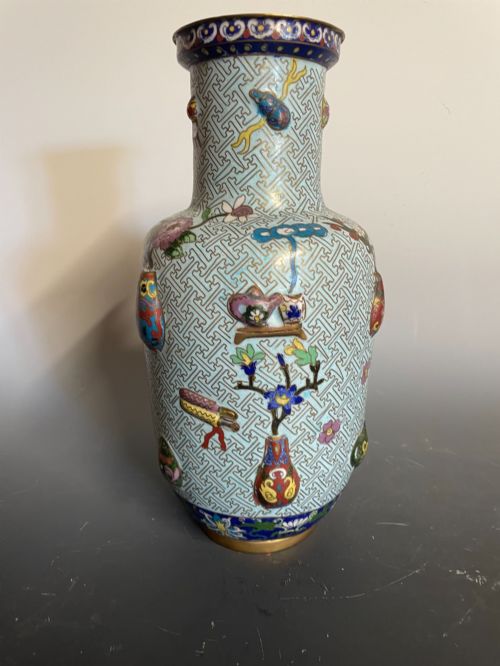
- An enamelling technique where troughs are dug into a bronze surface and filled with vitreous enamel before firing. It frequently appears on Japanese and continental European decorative items.
- Sconce
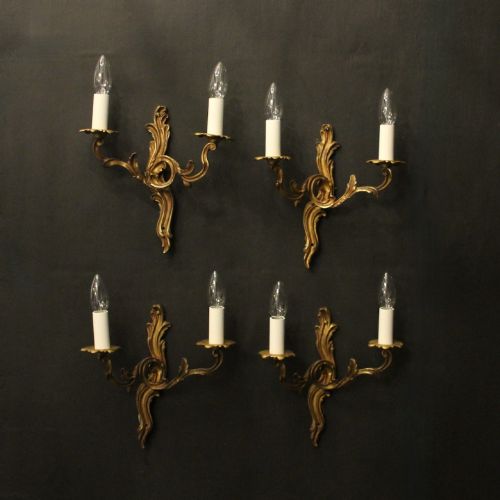
- A wall-mounted lighting fixture designed to hold candles or electric bulbs. These pieces often project outward using articulated arms or decorative backplates.
- Tole Peinte
- Painted tinplate used for decorative canisters and lantern bodies. It provides a coloured, metal surface often enriched with parcel gilt details.
- Chandelier
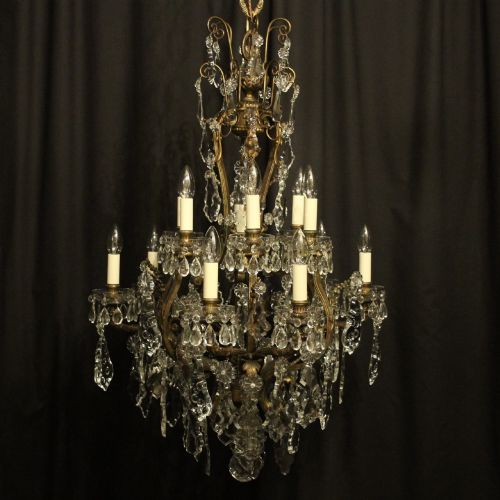
- A branched suspended ceiling light fixture holding multiple illumination points. These fittings frequently incorporate crystal drops to reflect light.
Decorative Brass Lighting: Frequently Asked Questions
How do I wire antique wall lights?
Conversion for modern electricity requires running new heat-resistant flex through existing channels within the brass arms. Professional electricians can adapt these fittings while preserving historical backplates and lampholders.
Original insulating materials inside nineteenth-century fixtures typically degrade over time. Rewiring ensures safety without altering the exterior metalwork or decorative appearance of the piece.
How do I clean antique brass?
Maintenance involves dusting with a soft dry cloth to remove surface particles. Avoid harsh chemical polishes that strip away historical patination and accumulated age.
Unlacquered brass naturally darkens over time through oxidation. Gentle cleaning preserves the underlying metal finish and maintains the character developed across centuries.
How do I date an oil lamp?
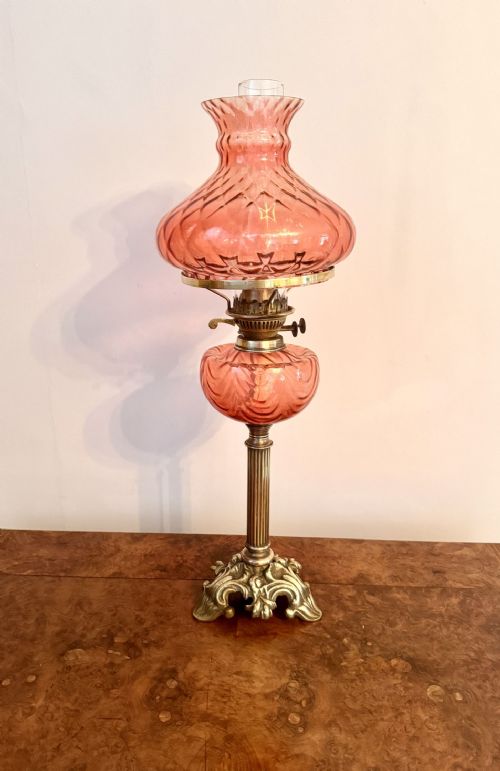
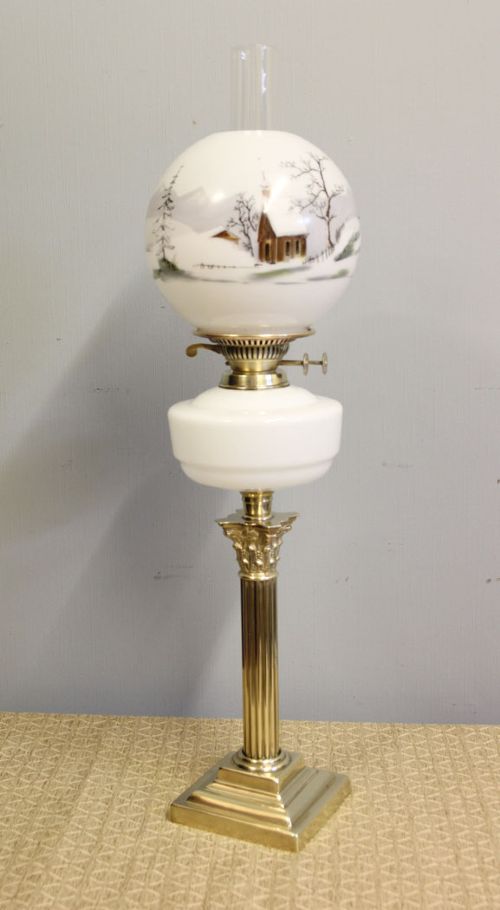
Dating relies on burner mechanism patents, collar markings, and the material composition of the font. Porcelain bodies, brass columns, and glass reservoirs each correspond to distinct manufacturing decades.
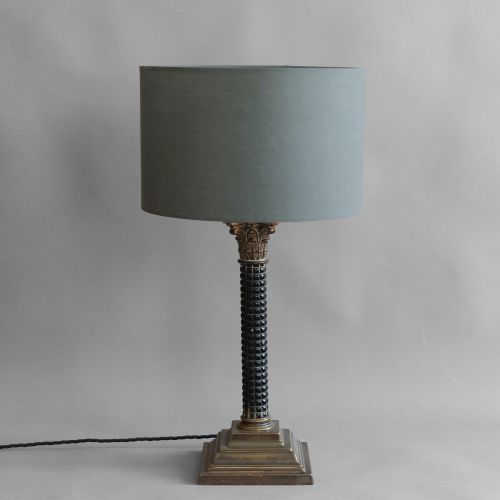
Stylistic motifs like Corinthian capitals or Aesthetic Movement engravings provide further chronological markers. Comparing these details against known production periods narrows the origin.
Were these fixtures originally for gas or oil?
Many nineteenth-century wall lights and chandeliers operated on oil or gas before subsequent conversion to electricity. Burner assemblies, keys, and gravity-fed reservoirs indicate the original fuel source.
Conversion traces remain visible in modified internal threading and adapted tubing. These alterations document the ongoing utility of decorative metalwork through successive eras of domestic technology.