
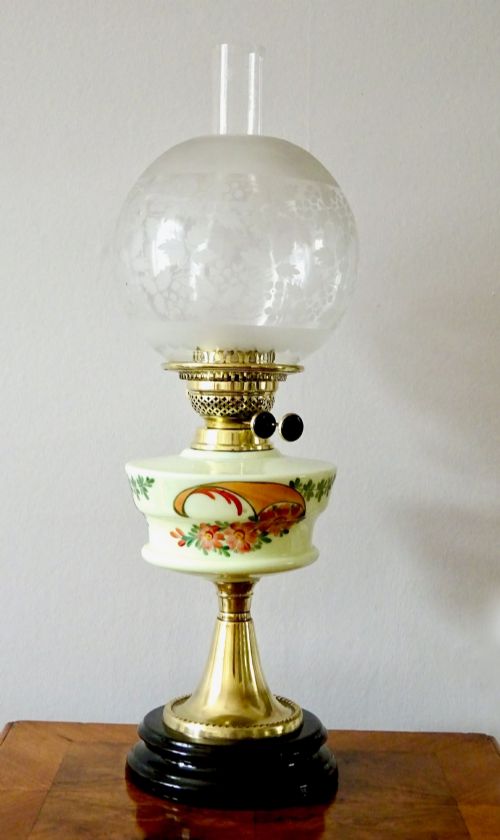


Decorative Brass Desk Light
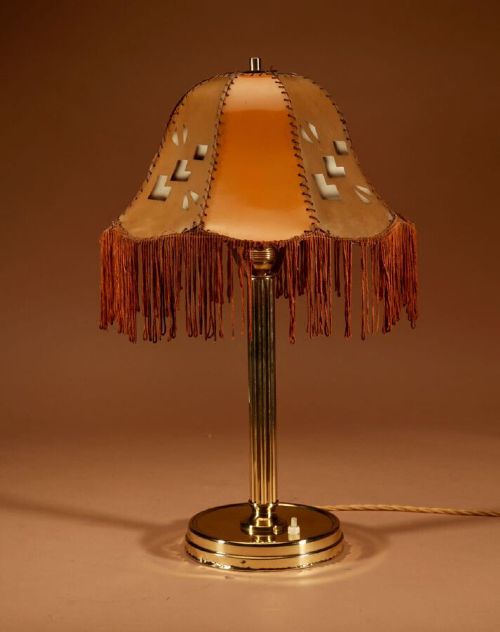
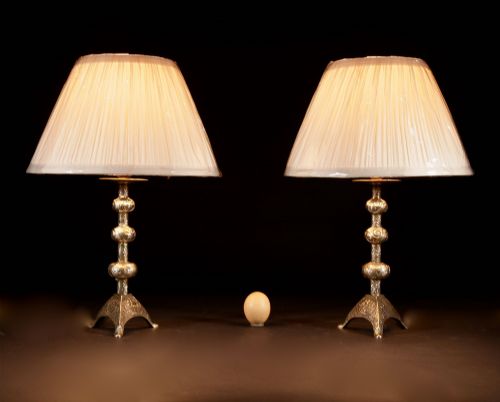
These decorative brass desk light pieces offer functional illumination through period forms made from brass, bronze, and glass.
Decorative Brass Desk Light
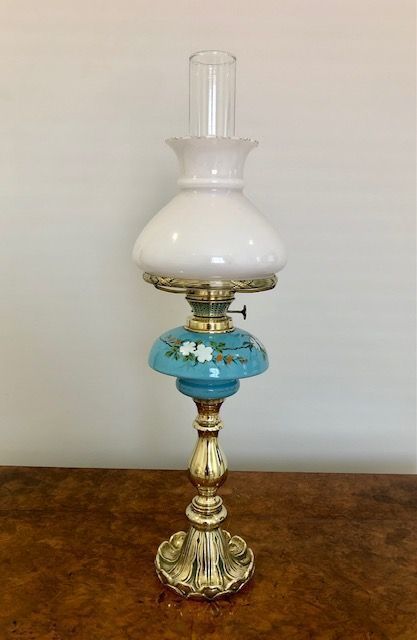
A decorative brass desk light combines period illumination forms with metalwork, drawing from styles like Victorian, Art Deco, Art Nouveau, and Neoclassical. Buyers seeking a decorative brass desk light examine table lamps, oil lamps, lamp bases, and candlesticks originating from the nineteenth and early twentieth centuries.
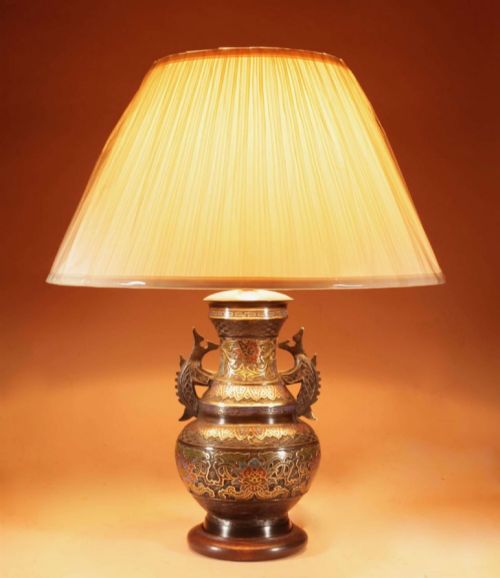
The selection ranges from Corinthian column table lamps and oil lamps to Japanese bronze table lamps with champlevé or cloisonné work. Pieces frequently integrate fabric, silk, enamel, or glass shades to complement the underlying metal framework.
Materials and construction methods
Metalworking techniques form the foundation of these pieces, utilising cast brass, ormolu, gilt bronze, and bronze alongside materials like porcelain de Paris, faience, and granite. Craftsmen combined metal casting with applied decoration such as etching on ruby glass or enamel work.
Assembly often involved mounting columns, urns, or candlesticks onto weighted bases, sometimes incorporating fabric or silk for shades. Structural components ranged from simple turned columns to intricate figural elements modelled as cavalry dress swords.
Listings feature periods spanning from the nineteenth century to 1930, utilising brass, bronze, glass, fabric, and porcelain.
Distinctions in craftsmanship
Quality rests in the crispness of the casting detail, particularly on column capitals, ormolu mounts, and chased surfaces. Superior examples display refined proportions and cohesive material integration between the metal base and associated glass or fabric components.
The distinction between standard production and finer workshop output appears in the handling of decorative motifs, whether through detailed enamel work, etched glass shades, or the precision of classical revival detailing.
WAS Benson
The Decorative Brass Desk Light Glossary
- Ormolu
- Finely ground high-carat gold applied to a bronze base using a mercury amalgamation process. This technique gives the metal a rich golden finish characteristic of French decorative objects.
- Corinthian Column
- An architectural support style featuring an ornate capital decorated with acanthus leaves. This form appears frequently on nineteenth and early twentieth-century table lamps.
- Cloisonne
- An ancient technique for decorating metalwork objects with coloured material held in place by thin metal strips welded to the body. Pieces often utilise bronze as the primary substrate.
- Champleve
- An enamelling technique where troughs or cells are carved into the surface of a metal object and filled with vitreous enamel before firing. It frequently appears on Japanese bronze pieces from the Meiji period.
- Spelter
- An alloy of zinc and lead used as a cheaper alternative to bronze or brass for cast decorative items. It was widely utilised for table lamps and gilded figures during the early twentieth century.
Decorative Brass Desk Light: Frequently Asked Questions
What periods do these desk lights represent?
The pieces span from the nineteenth century through the 1930s, encompassing Victorian, Edwardian, and Art Deco eras.
Production methods and aesthetic choices reflect the revival styles and modern movements popular during those decades.
How were original oil lamps converted to electricity?
Many historical oil lamps and candlesticks were adapted for electrical wiring during subsequent periods to suit modern utility needs.
Conversions often preserved the original burner mechanisms or columns while housing internal wiring through the central shaft.
What materials are typically combined with the brass?
Makers incorporated glass, fabric, porcelain, enamel, and bronze alongside the primary brass or ormolu framework.
Ruby etched glass shades and silk components appear frequently among the listings.
How do I identify Art Nouveau examples?
Art Nouveau pieces display characteristic organic motifs, flowing asymmetrical lines, and naturalistic forms inspired by plant structures.
Faience and bronze enamelled finishes often accompany these softer, curved designs.