




Decorative Brass Casing
Decorative brass casing groups together protective and ornamental metal housings, clock surrounds, and vitrine mounts that shelter fine mechanisms and precious objects.
Decorative Brass Casing
Decorative brass casing encompasses protective metal housings and ornamental metal mounts found predominantly on Victorian and Edwardian timepieces, scientific instruments, and luxury boxes.
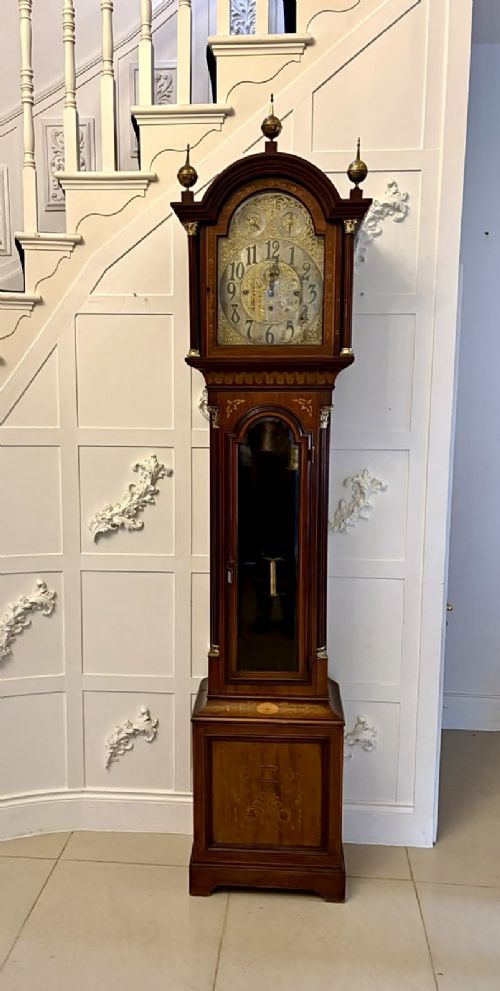
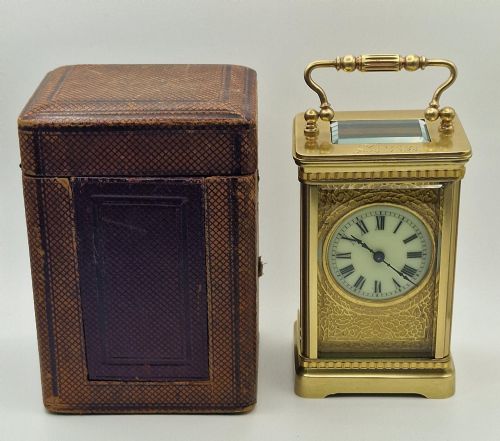
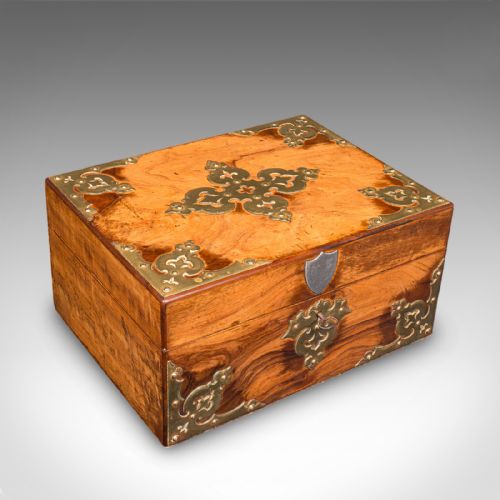
The objects bearing this designation on the page span from French carriage clocks with glass panels to Scottish walnut workboxes and French Directoire display cabinets.
Buyers seeking these pieces look for functional housing that also serves as a distinct decorative element within a room, combining utility with period craftsmanship.
Materials and construction methods
Construction relies heavily on cast and beaten brass, frequently paired with cabinet timbers such as mahogany, rosewood, walnut, and fruitwood.
Clock housings and vitrines utilise glass panels and enamel dials set within the metal framework, whilst smaller boxes integrate leather, vellum, and gilt bronze detailing.
Decorative Brass Casing Retail Price Guide 2026
Typical asking prices for decorative brass casing among the pieces listed under this phrase on Sellingantiques today, from the lower quarter to the upper quarter. They describe what is for sale here now, not the wider market.
Listings feature items spanning the Victorian, Edwardian, and early twentieth-century periods, utilising brass alongside rosewood, mahogany, and glass.
Markers of quality and execution
Quality rests upon the crispness of the brass casting and the precision of the joinery connecting the metal housing to the wooden or glass body.
Superior examples display meticulous chasing on ormolu surfaces and secure, well-fitted glass panels rather than crude mass-produced joints.
The Decorative Brass Casing Glossary
- Carriage clock
- A small, portable spring-driven clock designed for travel, typically fitted with a brass casing and glass panels to view the movement. These timepieces originated in France during the nineteenth century.
- Gilt bronze
- Copper alloy treated with a layer of gold through fire gilding or electroplating, providing a brilliant metallic surface for decorative mounts. This material resists tarnishing over decades.
- Vitrine
- A glass-fronted cabinet or display case designed to exhibit small decorative objects, often featuring decorative brass framing or mounts. They protect delicate items from dust whilst maintaining visibility.
- Cloisonne
- An ancient technique for decorating metalwork objects with colourful material held in place by thin metal strips welded to the base. It frequently appears on Victorian clock surrounds.
Decorative Brass Casing: Frequently Asked Questions
How do I clean a brass casing?
Use a soft, dry cloth to remove dust from the surface of the metal without disturbing any aged patina.
Avoid harsh chemical polishes that strip away the historical finish accumulated over the centuries.
Are these cases waterproof?
These decorative housings are designed for indoor display and protection against dust rather than moisture.
Rubber seals and modern waterproofing methods were not utilised in nineteenth-century construction.
Can I display them in direct sunlight?
Bright sunlight can fade the polished timber veneers and leather elements often paired with the brass work.
Positioning pieces away from windows preserves the integrity of both the metal and the supporting materials.
How do I date a brass casing?
Examine the fastening methods, screw types, and stylistic indicators such as French Directoire or Gothic Revival motifs.
Comparing the manufacturing stamps and the accompanying clock movements or cabinet woods provides a reliable timeframe.