




Decorative Brass Candle Holders
These decorative brass candle holders bring warmth and historical interest to a room through varied forms from the nineteenth and early twentieth centuries.
Decorative Brass Candle Holders
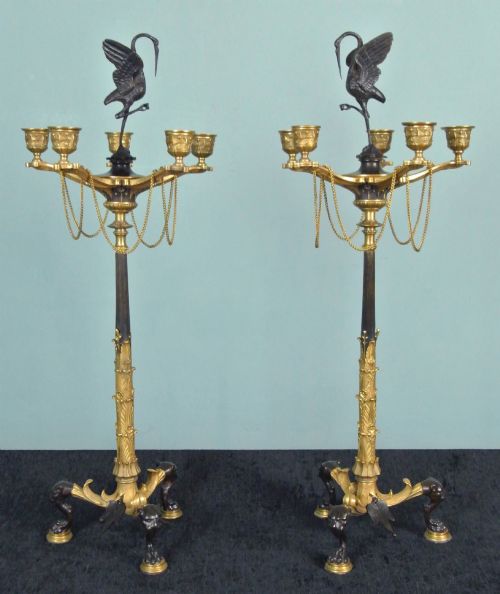
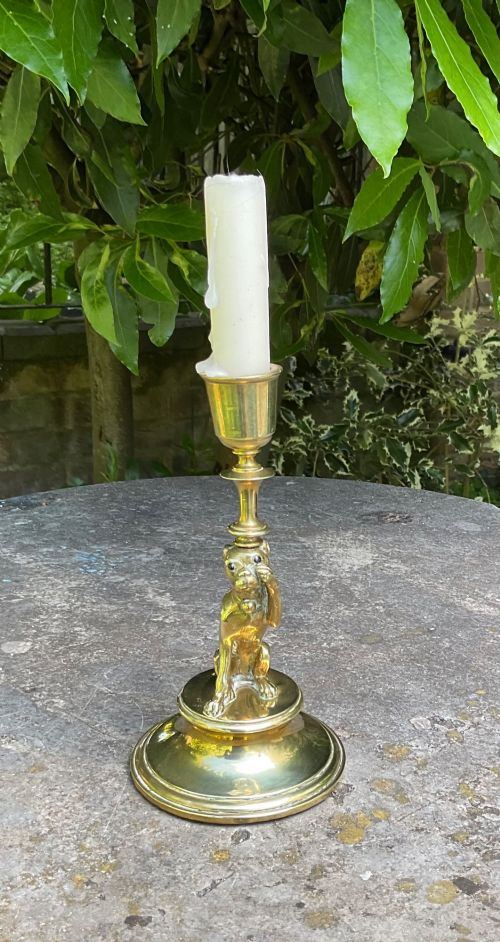
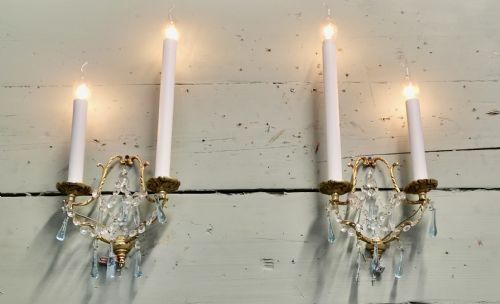
Decorative brass candle holders encompass a diverse range of lighting pieces designed for domestic and formal interiors. When searching for decorative brass candle holders, buyers encounter functional objects shaped as candlesticks, multi-arm candelabra, wall sconces, and chambersticks spanning the nineteenth and early twentieth centuries.
The selection includes items produced across various European and international centres, displaying distinct regional designs. Examples range from simple chambersticks intended for bedside use to large, elaborate candelabra cast in French Rococo Revival, Art Nouveau, and Aesthetic Movement styles.
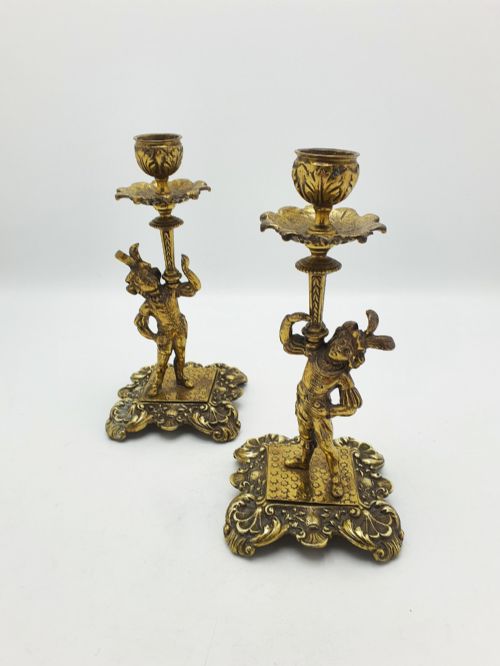
Makers utilised various casting and finishing techniques to produce pieces that served both practical illumination and decorative display. The inventory includes figural works, animal motifs such as pug dogs and dolphins, and architectural neo-gothic forms.
How they were made
Makers fashioned these pieces primarily using brass, bronze, gilt bronze, and ormolu. Metalworkers employed casting techniques to shape molten alloys into intricate forms, often combining cast elements with hand-engraved details.
Surface treatments included patination, parcel gilding, and the application of ormolu to create contrasting textures and finishes. Many items incorporated multiple metals, pairing brass with copper or iron to achieve specific decorative effects.
Decorative Brass Candle Holders Retail Price Guide 2026
Typical asking prices for decorative brass candle holders among the pieces listed under this phrase on Sellingantiques today, from the lower quarter to the upper quarter. They describe what is for sale here now, not the wider market.
Listings feature brass, bronze, and gilt metal pieces created across the nineteenth and early twentieth centuries in diverse revival styles.
What varies in quality
The sophistication of the casting and the crispness of surface detail distinguish the standard of execution. Pieces featuring finely chased ornamentation and well-defined figural elements demonstrate greater artisan skill than simpler, mass-produced items.
The choice of materials and the integrity of construction also influence the overall standard. Examples that combine bronze, ormolu, and patinated metals with secure joins represent more ambitious manufacturing efforts of their respective periods.
Barbedienne·Abel Landry·Liberty
The Decorative Brass Candle Holders Glossary
- Ormolu
- A finely ground high-zinc brass applied to bronze objects to give a gold-like finish. This technique was widely used in French decorative metalwork during the nineteenth century.
- Chamberstick
- A short candlestick fitted with a wide drip pan and a loop handle for carrying from room to room. They were common in domestic settings before the introduction of electric lighting.
- Candelabra
- A branched candlestick holding multiple tapers or candles. These large pieces often served as centrepieces on dining tables or sideboards.
- Sconce
- A wall-mounted lighting fixture designed to hold candles or electric bulbs. Historical examples often incorporate reflective brass or mirrored backplates to maximise illumination.
- Pricket
- A sharp spike on a candlestick or altar piece designed to hold a candle in place. This form appears frequently in ecclesiastical and revivalist metalwork.
Decorative Brass Candle Holders: Frequently Asked Questions
What is a chamberstick used for?
A chamberstick provided portable illumination in homes before electricity. The wide tray caught melting wax while people walked through dark hallways.
Over time, these practical items became decorative objects displayed on mantelpieces or tabletops for historical character.
How do I date an antique brass candlestick?
Dating relies on stylistic clues, casting methods, and material combinations. Victorian and Regency pieces often exhibit distinct revivalist motifs or heavier cast bronze components.
Examining the base and construction marks helps place a piece within its nineteenth or early twentieth-century production window.
Where were wall sconces placed historically?
Wall sconces were mounted in hallways, near mirrors, or flanking fireplaces to amplify light from candles. The reflective brass backplates helped spread the glow across the room.
Today, they function as wall-mounted decorative accents that bring period texture to interior spaces.