







Decorative Blue Glassware
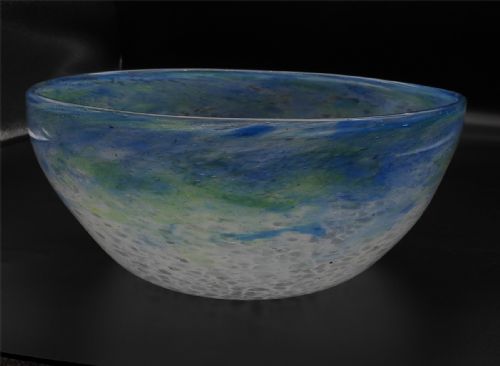
These pieces of decorative blue glassware bring striking colour to a room through vibrant vessels and plates.
Decorative Blue Glassware
When you search for decorative blue glassware, you encounter a selection of objects spanning the Victorian era through the mid-twentieth century. The material expression ranges from rich cobalt and turquoise tones to milky opalescent finishes.
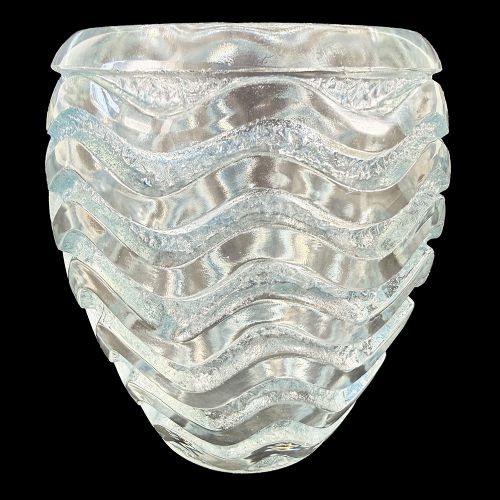
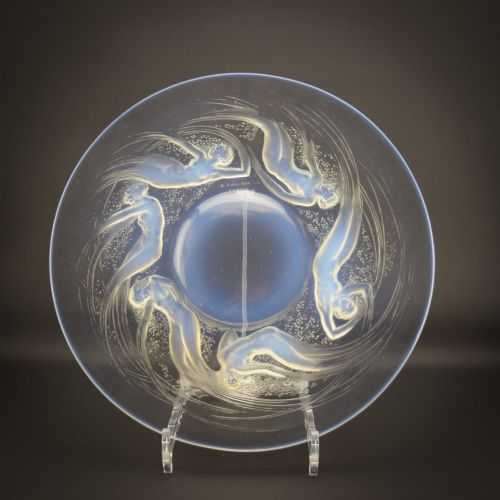
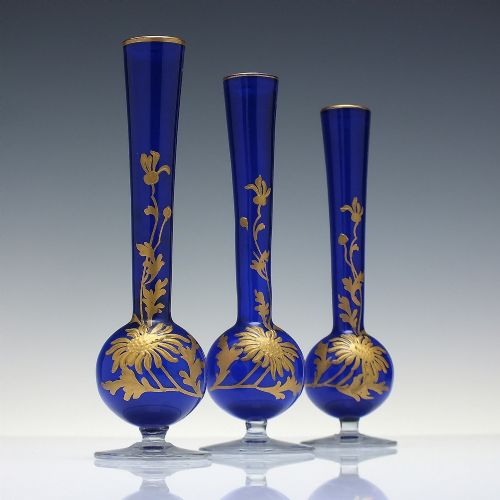
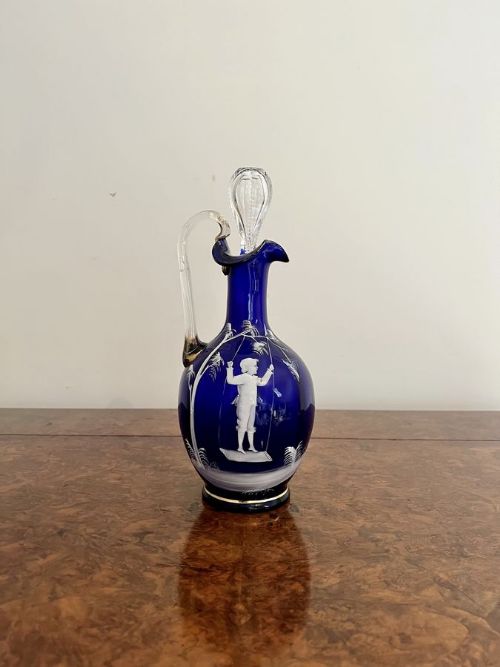
The forms on this page include vases, apothecary jars and bottles, decanters, bowls, and plates. Victorian pairs sit alongside twentieth-century French production.
Vases and decorative plates dominate the selection, offering functional display pieces shaped by distinct period aesthetics from the nineteenth century onward.
How they were made
Makers shaped these items using glass, crystal, and opaline, frequently incorporating enamel painting or acid-etching techniques to create surface detail. Some pieces combine the glass body with brass mounts or cork stoppers.
Mould-pressed production and cameo glass carving define the twentieth-century examples, while earlier nineteenth-century items often rely on free-blown methods combined with hand-enamelling.
Decorative Blue Glassware Retail Price Guide 2026
Typical asking prices for decorative blue glassware among the pieces listed under this phrase on Sellingantiques today, from the lower quarter to the upper quarter. They describe what is for sale here now, not the wider market.
Apothecary jars once guarded dubious powders and dried beetle wings behind their bright blue facades.
What varies in quality
Quality separates through the crispness of moulded relief work and the depth of opalescent fire within the glass. Finer items display meticulous hand-painted enamel details rather than heavy, flat application.
The sophistication of the design execution and the purity of the coloured metal oxides used in the glass batch determine the distinction between standard production and masterwork pieces.
Rene Lalique·Galle·Monart Glass·Mary Gregory
The Decorative Blue Glassware Glossary
- Opalescent Glass
- Glass that diffuses light with a milky or pearlescent appearance, often showing blue or amber tones when lit from the side. This optical effect results from the addition of bone ash or arsenates to the molten batch.
- Cameo Glass
- Glass vessels created by layering two or more colours and carving away the outer layer to form a raised design. The technique demands immense skill to maintain uniform depth across the carved motifs.
- Opaline
- An opaque or semi-opaque glass popular in the nineteenth century, produced in various pastel shades including blue. It provides a smooth, porcelain-like surface suitable for enamel decoration.
- Enamel
- A fused glass powder painted onto the surface of a finished glass object and fired to fix the design. It allows for colourful motifs applied directly over the blue body.
- Apothecary Jar
- A utilitarian storage vessel originally used by chemists to hold dried herbs, liquids, or powders. Decorative examples utilise rich coloured glass and hand-painted labels for pharmacy display.
Decorative Blue Glassware: Frequently Asked Questions
How do I date blue glass?
Dating relies on identifying the manufacturing technique, stylistic markers of periods such as Art Nouveau or Victorian, and the specific signature or mark left by the maker.
Material composition and colour saturation also offer clues, as nineteenth-century chemical formulas differ distinctly from twentieth-century production methods.
How were apothecary jars used?
Apothecary jars stored medical ingredients, herbs, and liquids in pharmacies and dispensaries, often standing in rows on wooden shelves.
Their coloured glass protected sensitive contents from sunlight degradation while offering a decorative shop display.
Are these glass plates meant for dining?
Decorative plates and chargers from this selection function primarily as ornamental display objects rather than everyday tableware.
Their delicate enamel work, cameo carving, or opalescent moulded surfaces make them unsuited for regular dining use.
How do I clean antique glass?
Cleaning requires warm water and mild soap, avoiding harsh scrubbing brushes or abrasive chemical cleaners that damage old surfaces.
Enamelled or gilded pieces demand particular care to prevent the loss of delicate hand-painted details.