



Decorative Bevelled Wall Mirror
A decorative bevelled wall mirror brings depth and reflected light to a room, drawing the eye with carved frames and aged glass.
Decorative Bevelled Wall Mirror
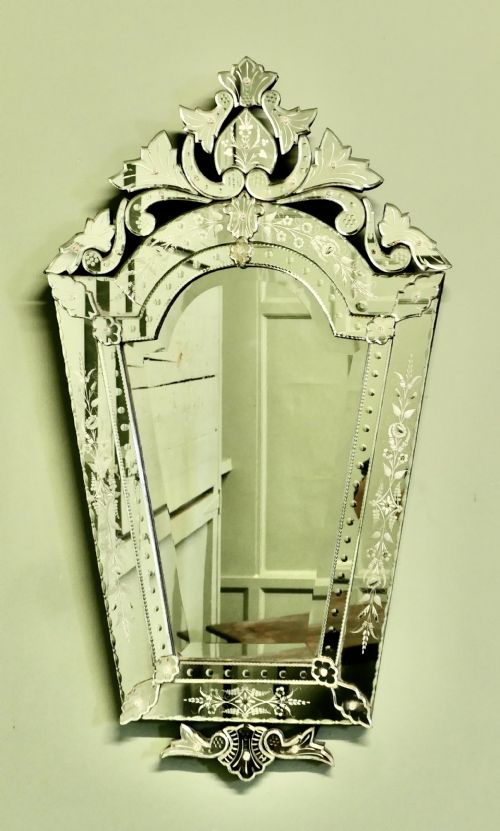
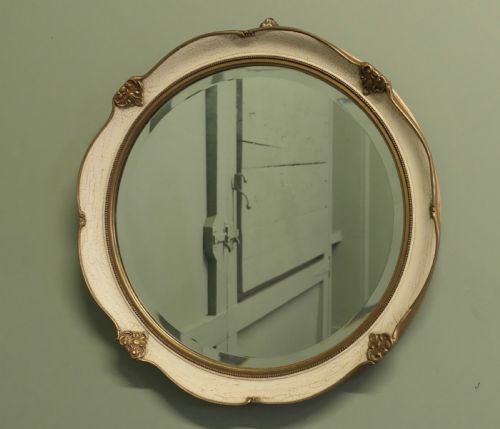
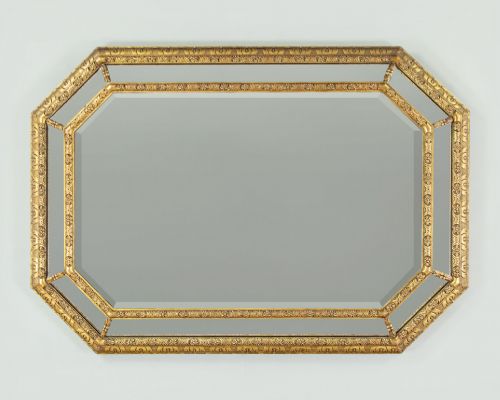
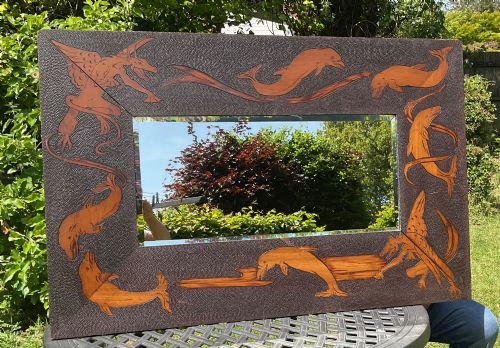
A decorative bevelled wall mirror brings historical character to a room through varied regional styles and periods. When searching for a decorative bevelled wall mirror, buyers encounter pieces spanning the nineteenth century through the art deco era.
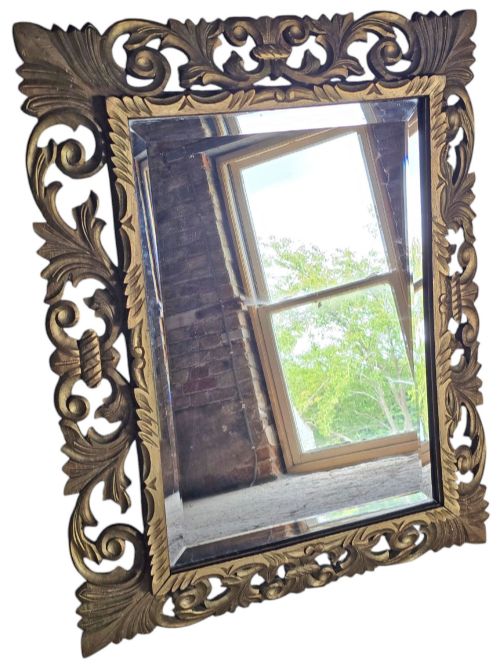
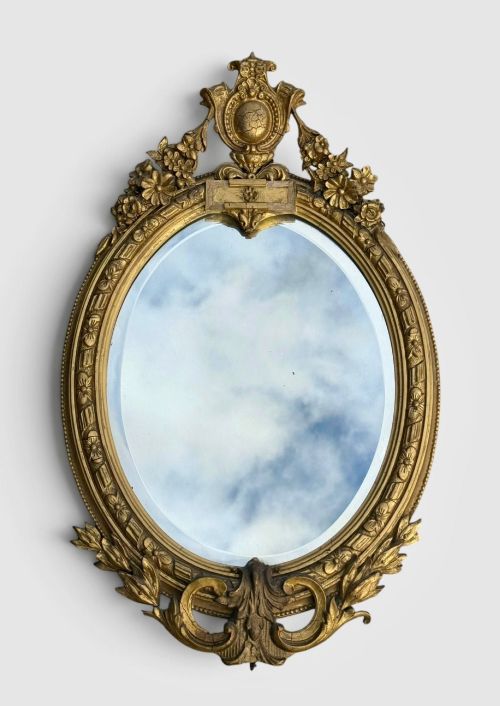
Victorian and Edwardian iterations frequently employ ornate gilt gesso or carved wood, whilst later twentieth-century examples lean towards geometric art deco silhouettes.
Materials and construction
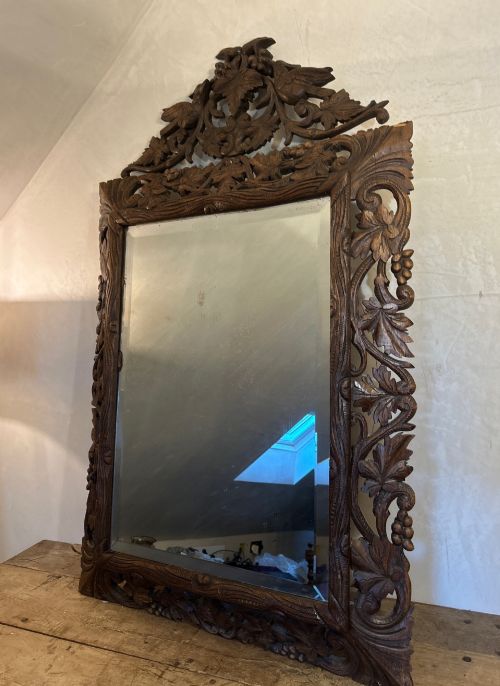
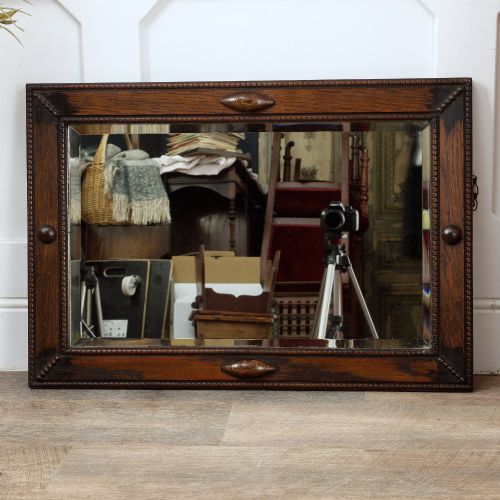
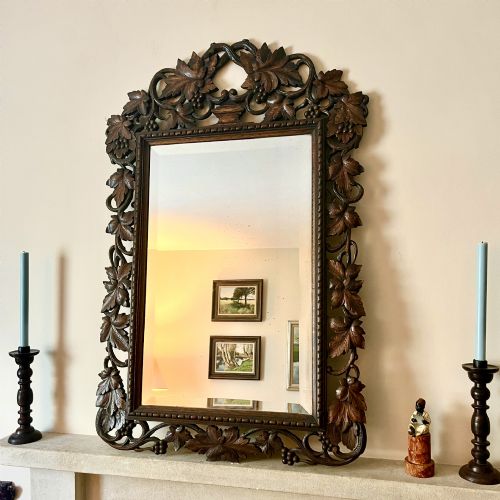
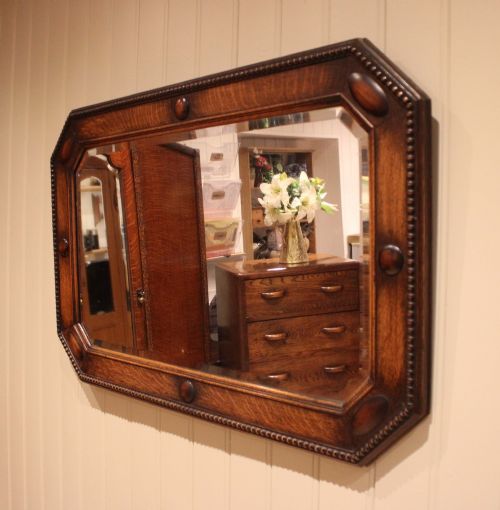
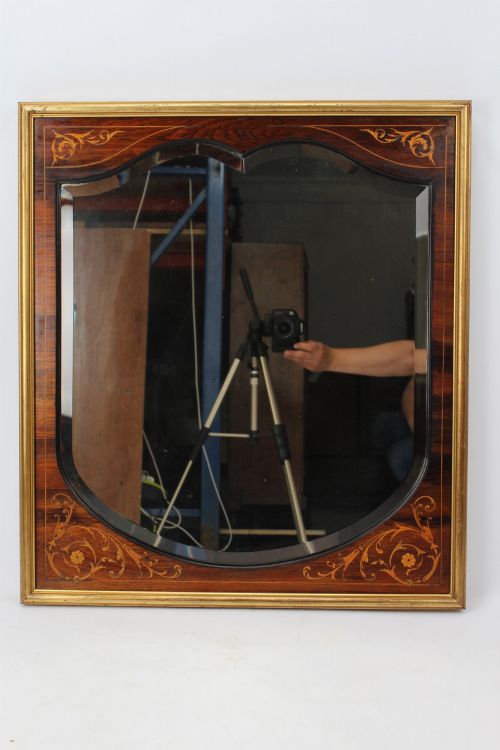
Frames rely heavily on traditional timber substrates such as oak, rosewood, and mahogany, alongside carved softwood finished with gesso and gold leaf. Giltwood and gilt gesso techniques involve applying thin layers of gold leaf or metallic paint over a prepared plaster base on wood.
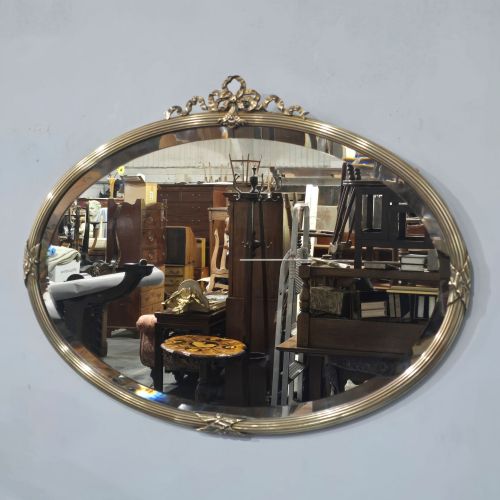
Metal frames incorporate cast brass, copper, and iron, often displaying hammered textures typical of the arts and crafts movement. Specialised frames utilise velvet coverings, painted silk inserts, and alabaster stone.
Mirror glass plates feature hand-bevelled edges, where the perimeter is ground down at an angle to catch and refract light.
Assessing quality and execution
Quality rests in the depth and crispness of the hand-carved ornamentation on the wooden or gesso frames. Deeply undercut foliage and scrolls demonstrate superior artisan skill compared to shallow, moulded substitutes.
The integrity of the original mercury or silvered mirror glass contributes significantly to the piece's character. Heavy foxing and natural oxidation show age authentically, while the precision of the bevelled edge indicates fine glass-cutting standards.
The Decorative Bevelled Wall Mirror Glossary
- Bevel
- An angled edge ground along the perimeter of the mirror glass. This process creates a framed optical border that catches light.
- Gesso
- A plaster-like mixture applied to wood frames to provide a smooth surface for gilding. Artisans carve intricate relief details directly into this dried layer.
- Overmantle
- A large mirror designed to sit directly above a fireplace mantelpiece. These pieces often span horizontal proportions to anchor the hearth.
- Barbola
- A decorative technique using coloured gesso or composition to model raised floral motifs in high relief. It appears frequently on twentieth-century oval frames.
- Fretwork
- Openwork woodwork created by cutting intricate patterns through a thin board. Eighteenth and nineteenth-century styles employ this technique on mahogany frames.
Decorative Bevelled Wall Mirror: Frequently Asked Questions
How do I hang a heavy antique mirror?
Heavy antique mirrors require secure wall fixings distributed evenly across the primary wooden frame or original hanging brackets. Modern mirror wire is often insufficient for substantial giltwood or oak pieces.
Consult a professional installer to locate wall studs or utilise appropriate cavity anchors that match the weight of the specific mirror.
What causes dark spots on antique glass?
Dark spots and clouding, known as foxing, occur when moisture seeps behind the glass and oxidises the silver backing over decades. This natural ageing process confirms the antiquity of the mirror plate.
Many collectors prize genuine foxing for the atmospheric reflection and historical patina it imparts to the room.
How do I clean an antique frame?
Dust carved wooden and gilt gesso frames gently with a dry, soft-bristled artist brush to lift dirt from crevices without damaging the finish. Avoid liquid cleaners and modern detergents, which strip fragile gold leaf and historical patination.
If the glass requires cleaning, apply a mild glass cleaner to a cloth rather than spraying the surface directly, preventing liquid from seeping behind the bevel.
Where should I place an overmantle mirror?
An overmantle mirror traditionally hangs centrally above a fireplace to reflect light and fill the vertical wall space. Positioning the piece here anchors the room's main focal point.
Ensure the hanging height allows the frame to balance comfortably between the mantelpiece and the ceiling cornicing.