







Decorative Cushion
Decorative antique cushion pieces range from carved giltwood cushion mirrors to woven tapestry covers and silver pin cushions.
Decorative Cushion
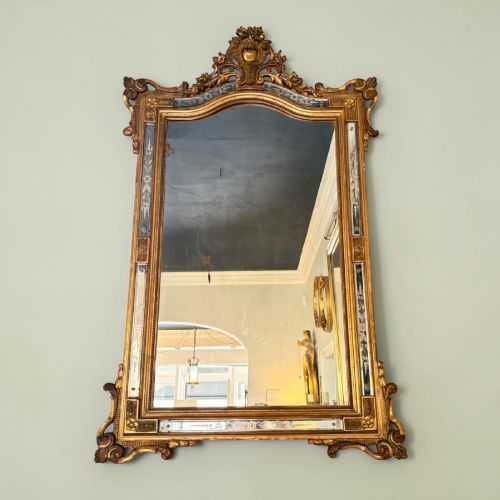
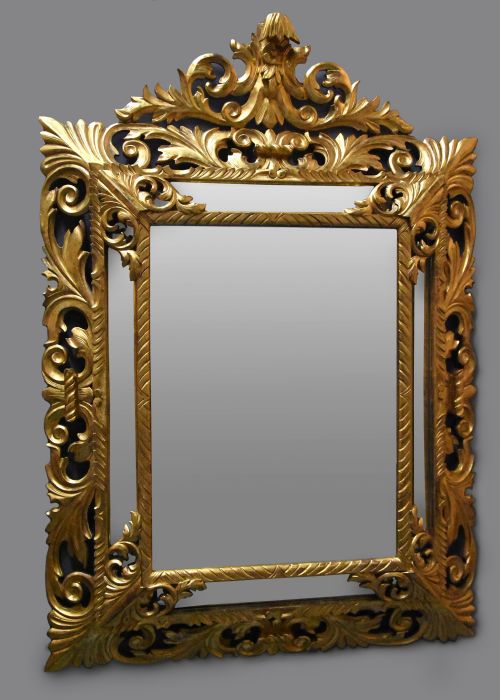
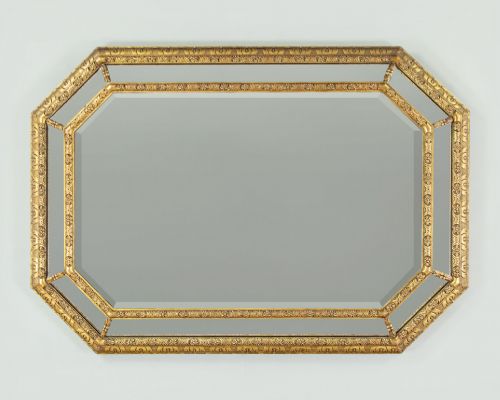
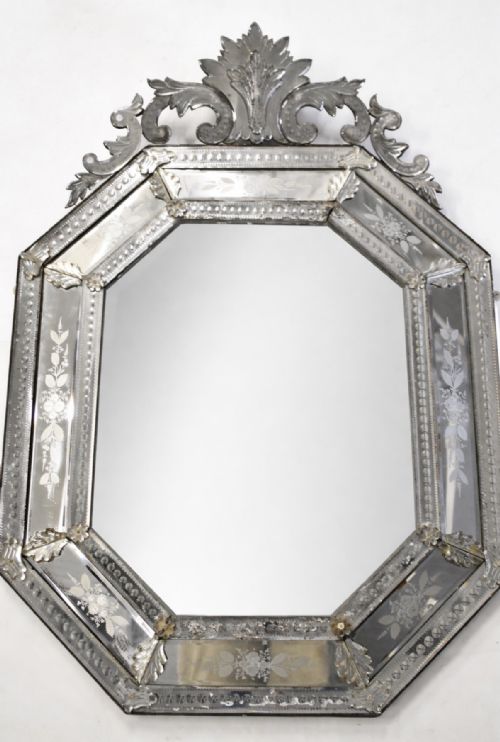
A decorative antique cushion search brings up a distinct mix of items, dominated by convex cushion mirrors framed in giltwood or gesso alongside textile cushions, tapestries and silver pin cushions. You will frequently encounter large 19th-century French and Italian wall mirrors alongside woven kilim and Aubusson cushion covers from the same era.
The textile and weaving examples span French silk pieces, Yomut torbas and Shahsavan kilim bags, while smaller metal items include Edwardian silver pin cushions shaped as dogs and carts, boots and sledges. The grouping draws together domestic furnishings and decorative accessories spanning the 17th century to the early 20th century.
Materials and construction methods
Mirror frames rely on carved wood and gesso, finished with original gilt or painted surfaces, built to project a rounded, pillow-like profile around the glass plate. Textile pieces utilise wool, cotton and silk, often incorporating Aubusson weaving techniques or traditional tribal weavings.
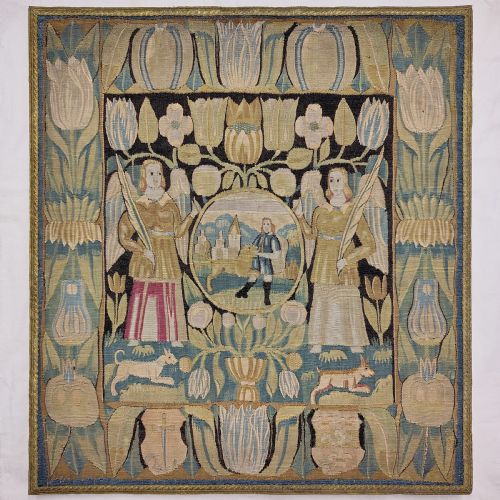
Silver pin cushions are cast and worked into novel figural shapes, while earlier textile examples like 17th-century tapestry cushion covers employ hand-stitched threads on sturdy fabric grounds.
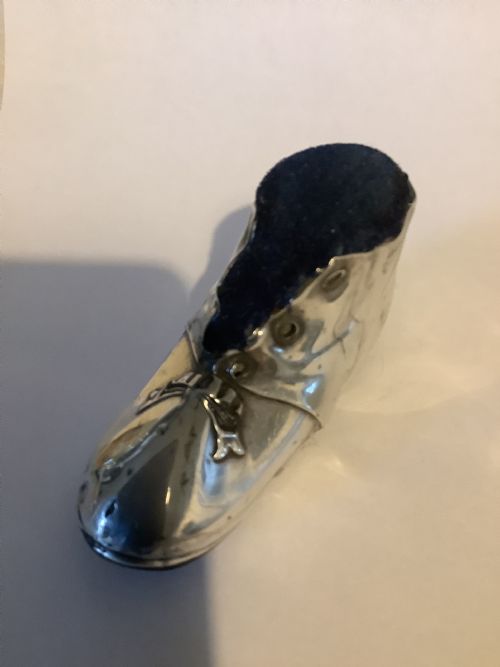
Silver novelty pin cushions take the form of old boots, sledges, and dogs pulling carts.
Distinctions in quality and execution
Quality in cushion mirrors rests upon the depth and crispness of the wood carving and the preservation of the original gilt or painted finish on the gesso. Pieces with distressed original paint or untouched parcel-gilt surfaces demonstrate superior craftsmanship compared to later replacements.
For textile and woven items, the fineness of the wool or silk weave and the integrity of the original backing dictate the standard. Silver pin cushions depend on the clarity of the figural casting and the retention of full hallmarks.
The Decorative Cushion Glossary
- Cushion mirror
- A wall mirror featuring a convex, pillow-shaped frame that slopes outward or inward toward the glass plate. This form gained popularity across 19th-century Italian and French workshops.
- Aubusson
- A style of tapestry or flat-woven textile originating from the French town of Aubusson. These pieces frequently form decorative cushion covers depicting floral or pastoral scenes.
- Kilim
- A flat-woven carpet or rug technique utilised in tribal textiles. Items take the form of antique cushions or bags.
- Torba
- A small Turkmen tribal bag or storage sack. These woven pieces appear alongside other nomadic textiles.
- Gesso
- A plaster-like mixture applied to wood frames to create a smooth surface for gilding or painting. It allows for intricate moulded decoration.
Decorative Cushion: Frequently Asked Questions
What is a cushion mirror?
A cushion mirror is a wall glass set inside a frame that swells outward in a rounded, pillow-like profile.
These frames use carved wood, gesso and gilt finishes to create a three-dimensional decorative effect.
How were antique pin cushions used?
Antique pin cushions served as functional desktop or dressing table accessories for holding sewing pins.
Examples shaped as silver dogs, carts, boots and sledges combined everyday utility with novelty ornament.
What is an Aubusson cushion?
An Aubusson cushion is made from hand-woven French tapestry wools and silks in historical floral or scenic designs.
They bring tactile warmth and traditional pattern to period interiors.
How do I care for a textile cushion?
Textile cushions require gentle handling, protection from direct sunlight and occasional light dusting.
Keeping them away from moisture preserves the delicate silk, wool and cotton fibres.