


Decorative Cane
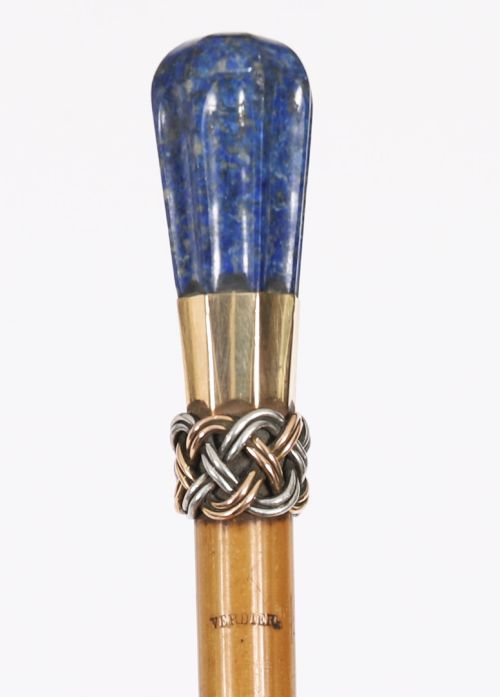
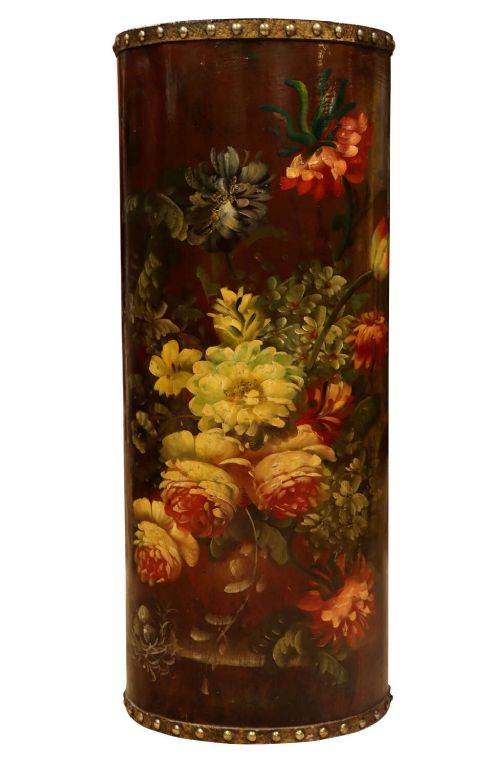
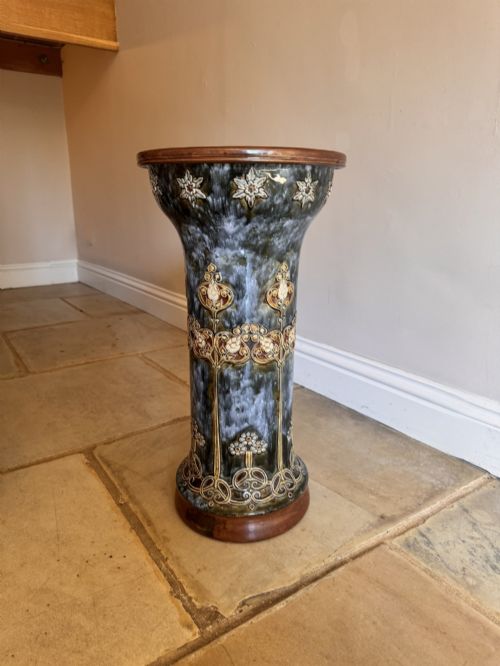
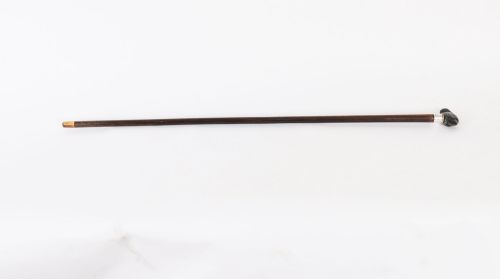
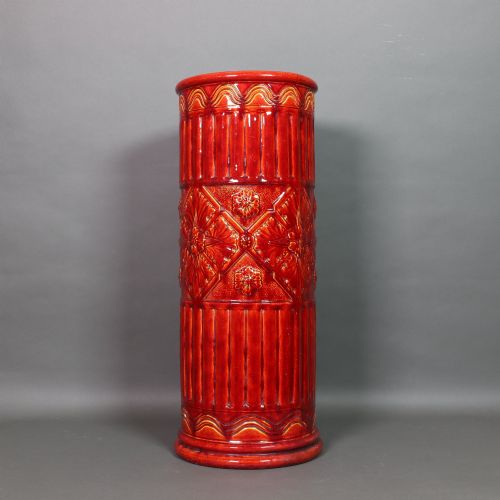
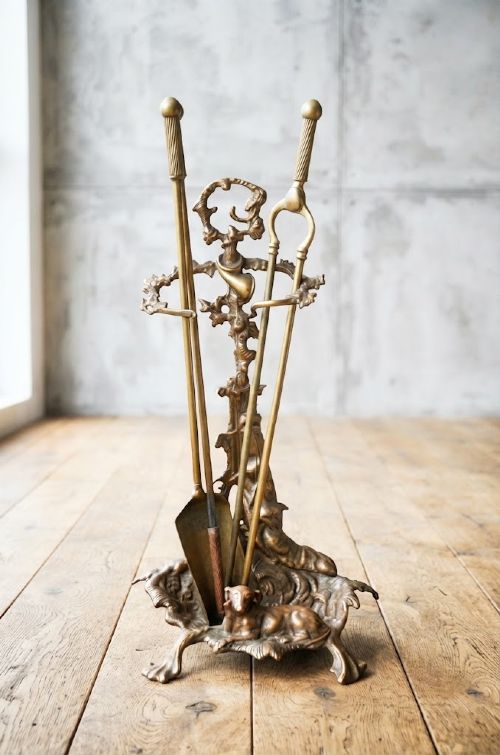
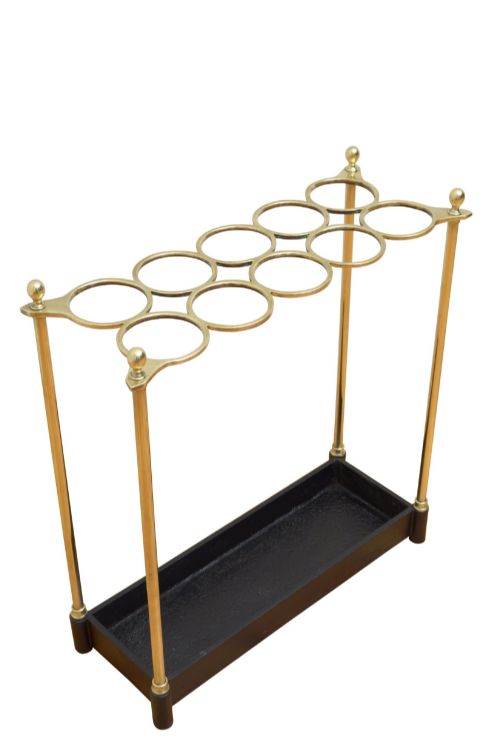
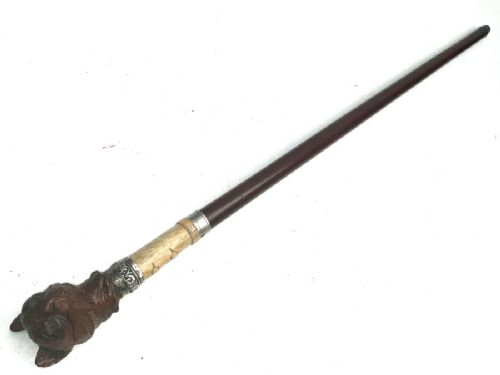
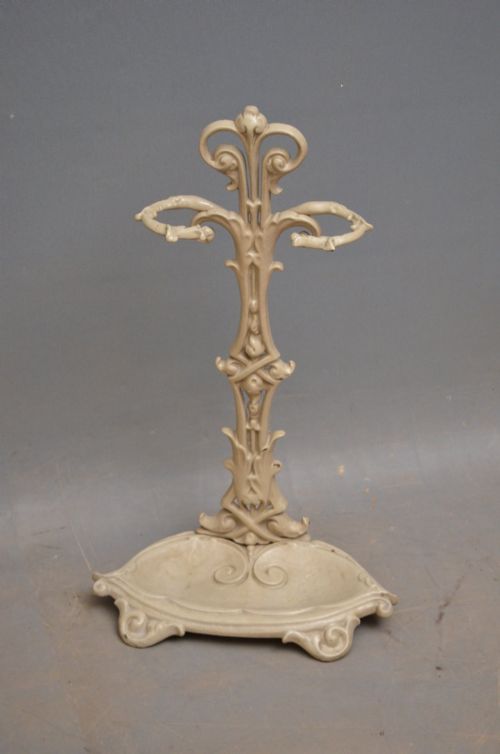
These decorative antique cane pieces range from walking sticks and sword sticks to umbrella stands formed in brass, cast iron, and wood.
Decorative Cane
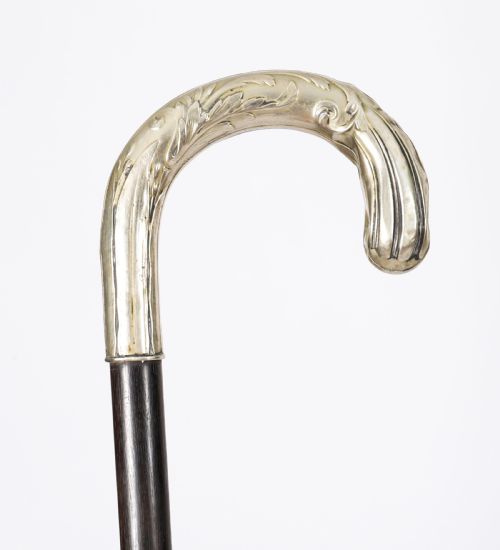
A decorative antique cane encompasses personal walking aids, concealed sword sticks, and hallway furniture designed to hold them. When browsing this selection, you encounter items intended for daily gentlemens use alongside heavy hall stands cast in iron or beaten in brass.
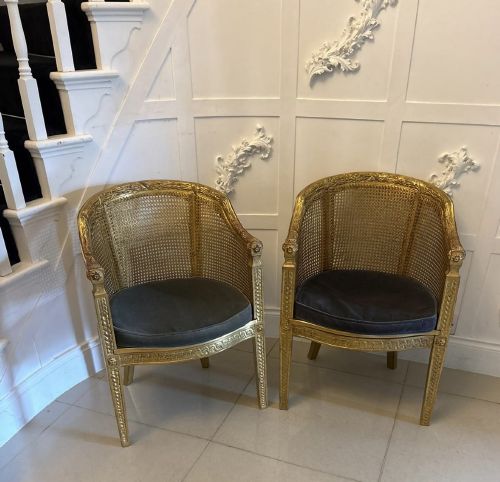
The objects span the Victorian period through the early twentieth century, taking forms such as Art Nouveau umbrella stands, Arts and Crafts wicker furniture, and handled walking sticks mounted in silver or gold.
Originating from English country houses and French ateliers, these pieces serve both utilitarian purposes in the hallway and decorative roles within period interiors.
How They Were Made
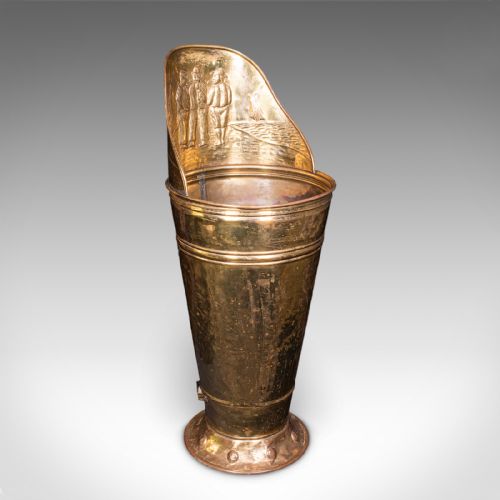
Makers utilised cast iron, brass, and hardwood to construct structural umbrella stands and stick holders, often employing moulding and embossing techniques to achieve detailed relief scenes such as hunting motifs or historical figures.
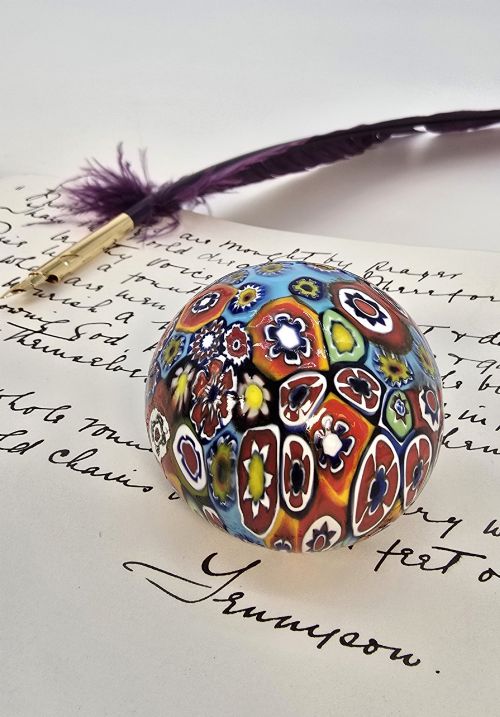
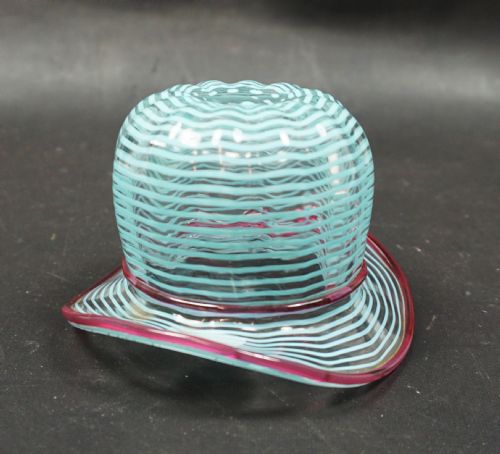
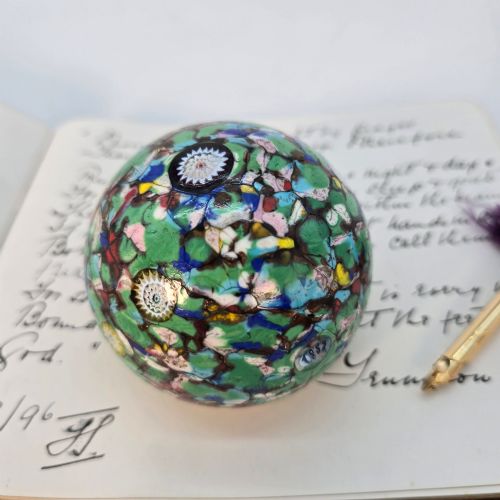
Walking sticks and swords combine natural materials like bamboo, malacca, and antler with precious metal mounts in silver and gold, alongside glass components shaped with internal cane decoration.
Seating and decorative furnishings integrate wicker, rattan, papier-mâché, and carved rosewood, joined through traditional cabinet-making and basketry methods.
Decorative Cane Retail Price Guide 2026
Typical asking prices for decorative cane among the pieces listed under this phrase on Sellingantiques today, from the lower quarter to the upper quarter. They describe what is for sale here now, not the wider market.
Listings feature items spanning the Victorian era through the 1930s, utilising brass, cast iron, hardwood, and glass.
What Varies in Quality
The refinement of surface detail dictates distinction, seen clearly in the depth of cast iron relief on stick stands and the crispness of chased work upon silver or gold plated mounts.
Structural integrity and the survival of original finishes, from French gilding to hand-painted decoration, separate standard utility items from exemplary decorative works.
Dryad And Co·Burmantofts Faience·Coalbrookdale
The Decorative Cane Glossary
- Sword stick
- A walking cane concealing a sharp blade within its wooden or bamboo shaft. These pieces often feature locking mechanisms near the handle.
- Stick stand
- A hall furniture item designed to hold umbrellas and walking canes upright. Common materials in this selection include cast iron and brass.
- Malacca
- A strong, mottled stem derived from an Asian palm species used frequently for walking stick shafts. It is valued for its resilience and distinctive finish.
- Burmantofts Faience
- An English ceramic style known for glazed architectural pottery and decorative wares. Pieces appear in functional forms like hallway stands.
- Coalbrookdale
- A famous ironworks location associated with ornate cast iron umbrella stands. Items in this style display intricate openwork patterns.
Decorative Cane: Frequently Asked Questions
How were antique stick stands used?
Antique stick stands stood in hallways and entrance passages to hold walking sticks, canes, and wet umbrellas. They kept household floors dry and kept daily accessories organised.
Heavier versions made of cast iron or brass provided the necessary weight to support multiple heavy walking items without tipping.
How do I identify Victorian pieces?
Victorian pieces often display specific manufacturing traits like heavy cast iron construction, floral motifs, or figural depictions of historical figures. Look for period-appropriate patination on the metal.
Materials such as papier-mâché, rosewood, and early brass finishes also point toward nineteenth-century production dates.
Are sword sticks legal to own?
Sword sticks combine a functional walking cane with a hidden steel blade. Regulations regarding ownership vary by region, so buyers should check local laws concerning concealed weapons.
Historically, gentlemen carried these items for personal protection during the Victorian era.
Where should I place an umbrella stand?
An antique umbrella stand fits naturally in an entryway, porch, or hallway where guests arrive. It serves as both a practical holder and a decorative focal point.
Ensure the stand rests on a stable surface protected from constant moisture if holding wet umbrellas.