




Decorative Animal Art
Decorative animal art brings the character and form of creatures into a room through sculpture, objects and paintings.
Decorative Animal Art
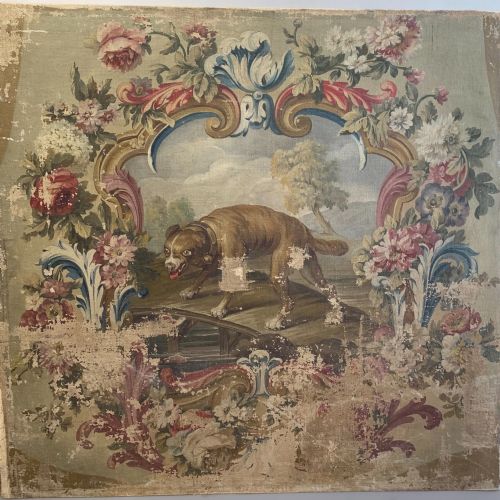
Decorative animal art comprises sculptural figures, functional objects and paintings that depict creatures from nature and the imagination. When searching for decorative animal art, buyers encounter items ranging from early nineteenth century oil paintings to twentieth century bronze and wooden figures.
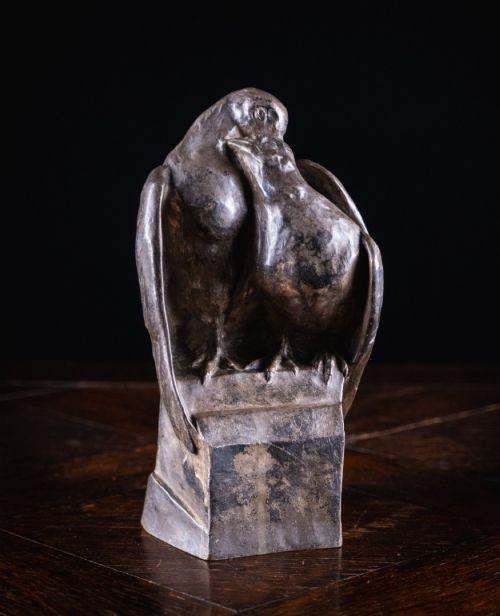
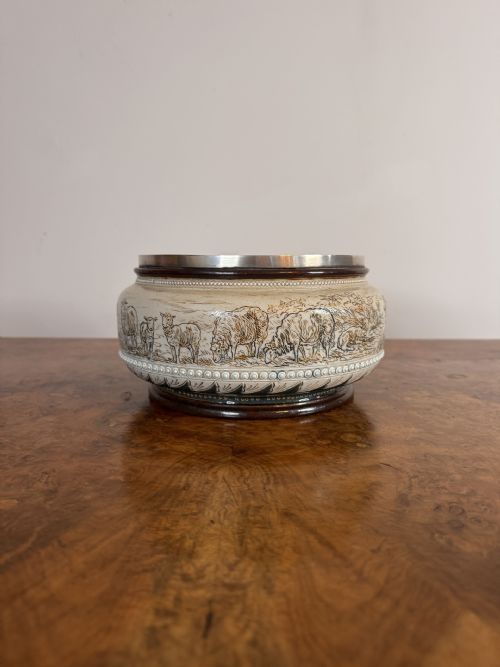
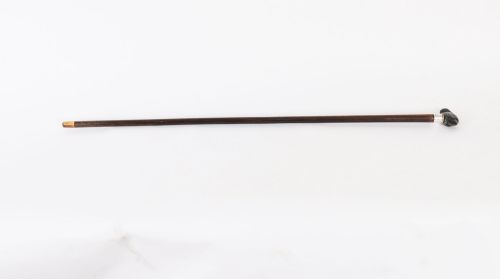
The pieces on this page span several decades and styles, including Art Deco bronzes, carved wooden figures and folk art creations. Forms include bookends, walking sticks, wall chargers and sculptural models representing birds, marine life and terrestrial animals.
How they were made
Makers utilised traditional mediums such as bronze, carved wood, brass, marble and leather to shape animal forms. Techniques include metal casting, hand carving in cedar and bone, oil painting on canvas and leather modelling over armature frames.
Surfaces often feature hand applied paint, hammered metal textures and polished stone bases. Artisans combined these materials to achieve both realistic anatomy and stylised modernist interpretations.
Decorative Animal Art Retail Price Guide 2026
Typical asking prices for decorative animal art among the pieces listed under this phrase on Sellingantiques today, from the lower quarter to the upper quarter. They describe what is for sale here now, not the wider market.
An antique wooden toy lioness stands ready to guard the bookshelf alongside heavy marble squirrels.
What varies in quality
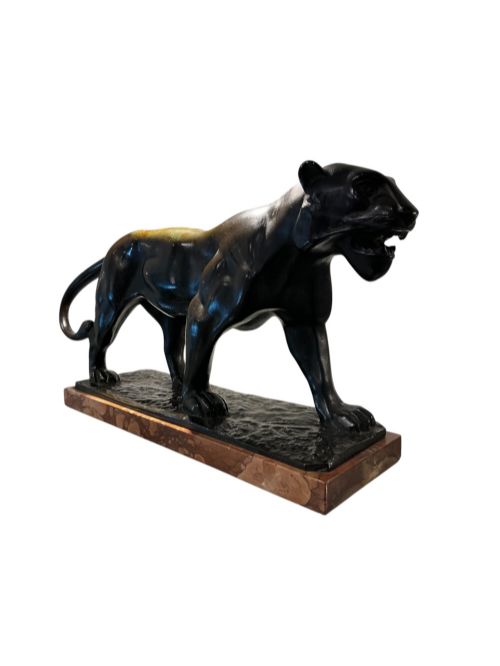
Quality rests in the precision of the form and the integrity of the materials used by the maker. A finely modelled bronze panther on a solid marble base demonstrates superior handling compared to simpler cast alternatives.
The vitality of the carving or painting determines the visual success of the piece. Subtle details in feather or fur texture and balanced proportions distinguish finer examples from standard decorative items.
C Omin·Constant Ludovic Artz
The Decorative Animal Art Glossary
- Art Deco
- A design style from the early twentieth century characterised by streamlined shapes, geometric patterns and stylised representations of animals. It strongly influenced sculptures and bookends of the period.
- Bookends
- A pair of heavy supports placed at the ends of a row of books to keep them upright. In animal art, these often depict creatures such as squirrels and sea lions.
- Folk art
- Artistic work produced from an indigenous culture or peasant society rather than a professional studio. Pieces in this category include carved wooden bears and toy lionesses.
- Charger
- A large decorative plate or disk hung on a wall or displayed on a surface. Examples often incorporate metalwork and animal motifs.
- Opaline glass
- An opaque or translucent glass developed in the nineteenth century, sometimes used in lighting and decorative bowls featuring animal themes.
Decorative Animal Art: Frequently Asked Questions
What periods do these pieces come from?
The selection spans from the early nineteenth century through to the mid twentieth century, encompassing periods like the Victorian era, Arts and Crafts movement and Art Deco years.
Dates are determined by stylistic markers, materials and documented maker signatures where available.
How were animal sculptures used historically?
Many items served practical functions in homes and studies, such as holding books in place or lighting a room as night lights.
Others were purely decorative objects, paintings or walking sticks intended to display an appreciation for wildlife and artistic craftsmanship.
What materials are most common?
Metal is frequently seen, including cast bronze, brass and hammered copper, often paired with marble or granite bases.
Wood, carved bone, leather, glass and oil on canvas also appear regularly across the different object types.