





Decorative Accent Lighting
These decorative accent lighting pieces bring period character and ambient glow into a room, spanning styles from Victorian to Art Deco.
Decorative Accent Lighting
When you search for decorative accent lighting, you encounter portable light fittings designed to illuminate specific corners or surfaces rather than flood a room. Table lamps and floor lamps dominate the selection, offering functional illumination paired with distinct sculptural presence.
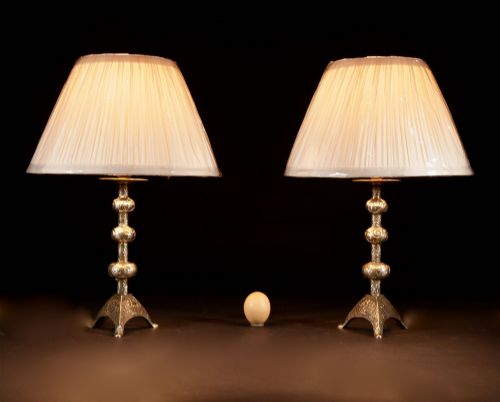
The pieces on this page span several eras, reaching from the nineteenth century into the mid-twentieth century. You find table lamps most frequently, often made as pairs for balanced placement on sideboards or mantelpieces.
Makers drew on diverse historical and cultural aesthetics, producing items in styles such as Gothic Revival, Chinoiserie, Art Deco, and French Belle Epoque. These designs reflect changing domestic tastes across the decades, incorporating materials sourced from global trade.
How they were made
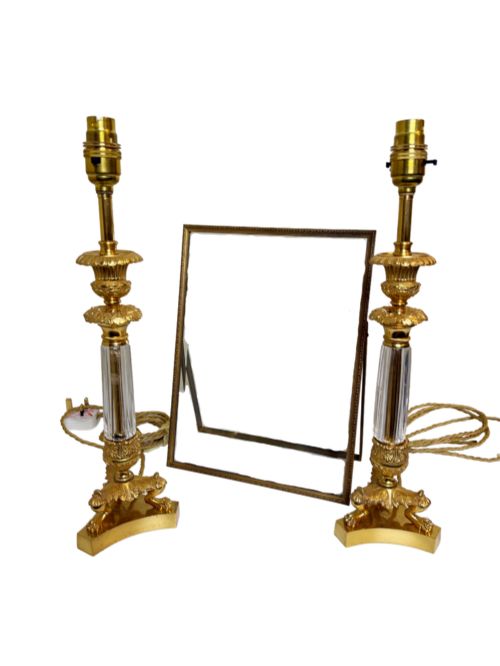
Metals form the structural backbone of many pieces, utilising cast brass, gilt bronze, copper, and ormolu. Artisans shaped these metals through casting and chasing, creating intricate bases and mounts that supported glass or ceramic bodies.
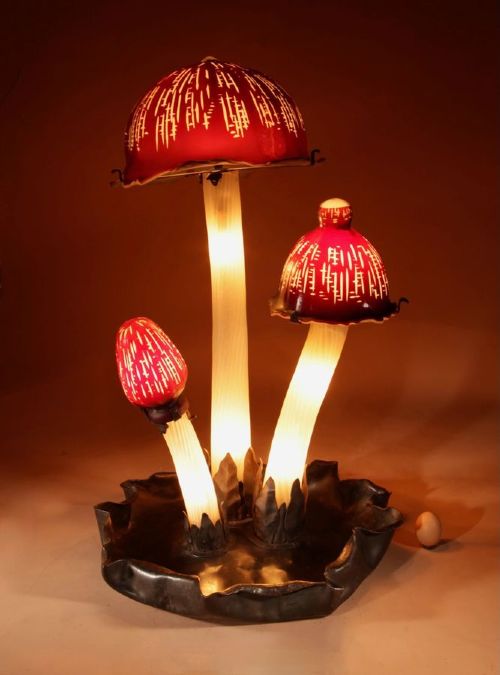
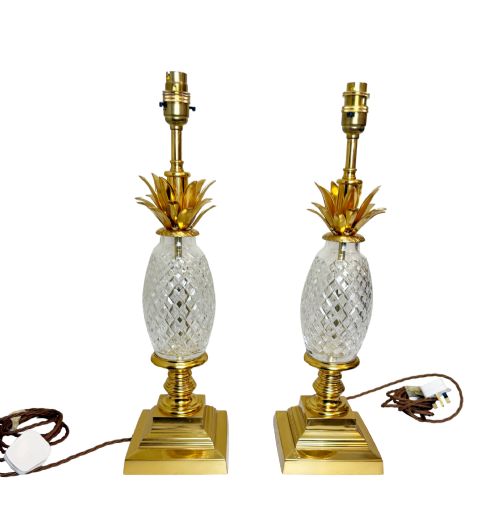
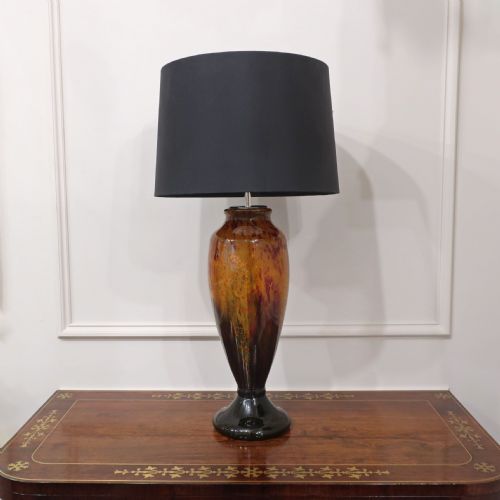
Glass and porcelain feature prominently, including cut crystal, Paris porcelain, and mottled art glass. Makers combined these fragile components with metalwork, sometimes adding hand-painted details or fabric elements to complete the composition.
Decorative Accent Lighting Retail Price Guide 2026
Typical asking prices for decorative accent lighting among the pieces listed under this phrase on Sellingantiques today, from the lower quarter to the upper quarter. They describe what is for sale here now, not the wider market.
What varies in quality
Quality rests on the crispness of the casting and the depth of the materials used in the base. Heavy cast brass, finely chased gilt bronze, and thick cut crystal demonstrate a higher standard of manufacture than lighter, pressed components.
The integration of materials also defines the better examples. When porcelain, marble, and bronze fit together seamlessly with secure mechanical joints, the piece holds greater merit than those with loose assemblies or crude adhesives.
Charles Schneider
The Decorative Accent Lighting Glossary
- Ormolu
- A method of applying finely ground, high-carat gold to a bronze object, creating a rich golden finish. This technique was widely used in French decorative metalwork during the nineteenth century.
- Champlevé
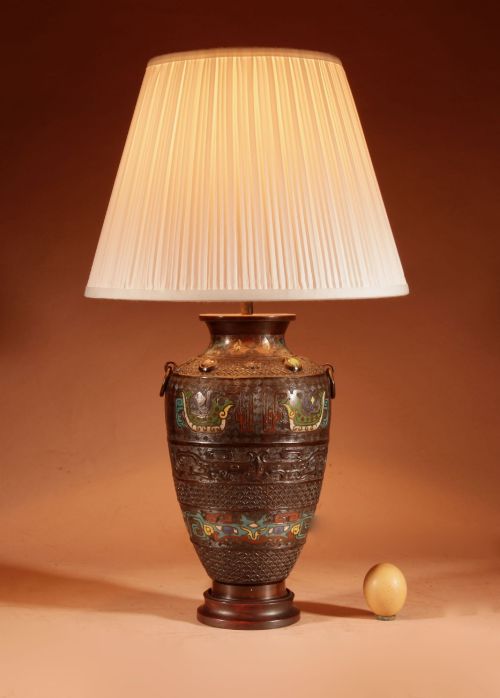
- An enamelling technique where troughs or cells are sunk into a metal surface and filled with vitreous enamel before firing. Japanese and European pieces utilise this method to create patterned colour.
- Paris porcelain
- Hard-paste porcelain produced by various independent workshops in and around Paris from the late eighteenth century onward. It is known for its bright white body and often incorporates rich gilding and hand-painted scenes.
- Standard lamp
- A British term for a floor lamp, consisting of a tall vertical upright on a weighted base. These fixtures hold shades to project light downward or outward in a room.
Decorative Accent Lighting: Frequently Asked Questions
Where should I place a standard lamp?
Standard lamps suit dark corners of sitting rooms or spaces beside reading chairs where you need height and downward illumination. Their vertical presence helps balance the visual weight of large pieces of furniture.
Ensure the cord reaches a wall socket safely without stretching across main walking paths. Pairing the lamp with a suitable shade completes the installation.
How do I identify an Art Deco lamp?
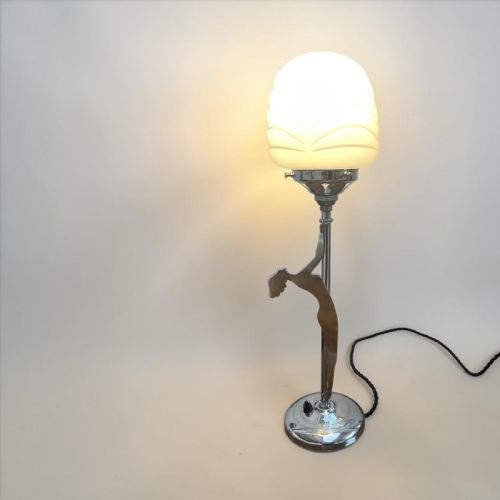
Art Deco lamps typically display geometric forms, stylized motifs, and streamlined silhouettes that emerged during the interwar period. Look for materials like mottled art glass and stepped metal bases.
These pieces often reflect the machine-age aesthetic while retaining hand-finished details in the metalwork and glass.
Can I use modern bulbs in antique lamps?
Most antique lamps accommodate modern light bulbs provided the wiring and lampholders meet current safety standards. It is advisable to have older electrical components checked or replaced by a qualified electrician before daily use.
Low-heat LED bulbs help protect fragile antique shades and fabric elements from thermal degradation over time.
What is the difference between porcelain and crystal lamps?
Porcelain lamps feature opaque ceramic bodies, often hand-painted or glazed in Qianlong or European styles, offering solid colour and surface decoration. Crystal lamps rely on cut glass to refract light through transparent facets.
Both materials were mounted on metal bases of brass or gilt bronze to provide stability and structural support.