



Decorative Accent Lamp
A decorative accent lamp brings focused pools of ambient light and distinctive regional craft into domestic interiors.
Decorative Accent Lamp
A decorative accent lamp functions primarily as a secondary light source that introduces character and atmosphere to a room. Buyers searching for a decorative accent lamp encounter diverse interpretations ranging from structural lighting fixtures to small tables modified or designed specifically to display illumination.
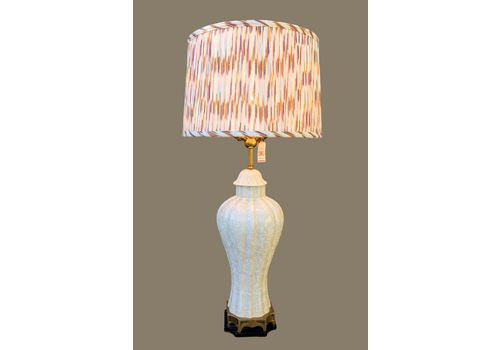
The pieces on this page span the nineteenth century through the early twentieth century, taking the form of table lamps, standard floor lamps, and occasional or side tables adapted for domestic illumination. Origins vary widely across English, French, Chinese, Japanese, and Indian traditions, reflecting global aesthetic influences during the Victorian, Edwardian, and Art Deco periods.
Lighting fixtures employ mixed media including cast metals, cut glass, porcelain, and hand-painted shades, while table forms utilise mahogany, satinwood, elm, and marble. This convergence of furniture and lighting creates functional objects that serve as visual focal points within sitting rooms, halls, and studies.
Materials and construction methods
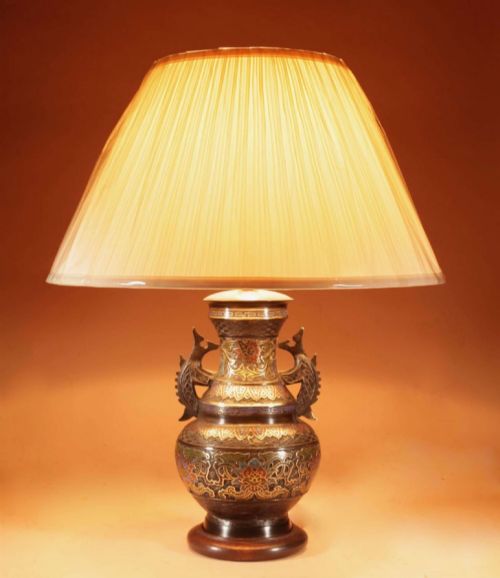
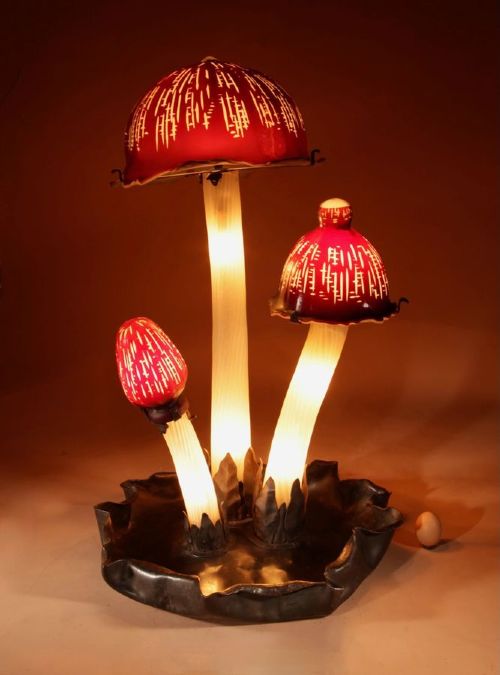
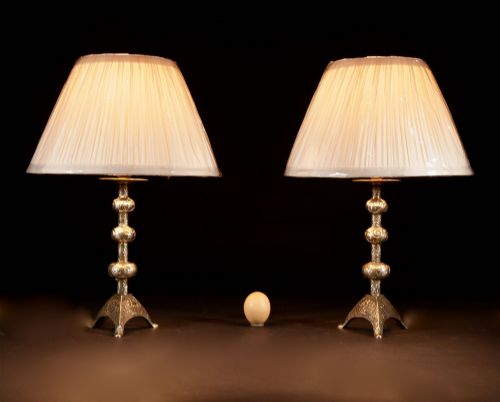
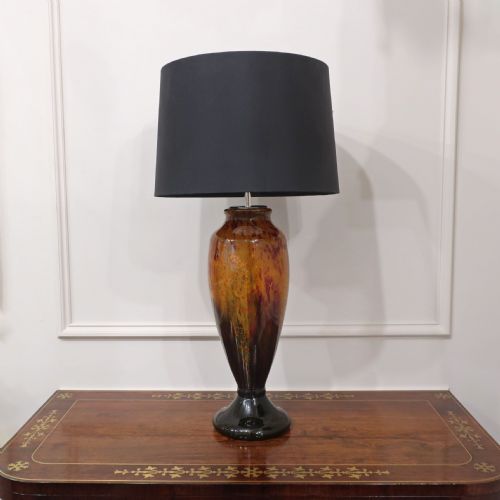
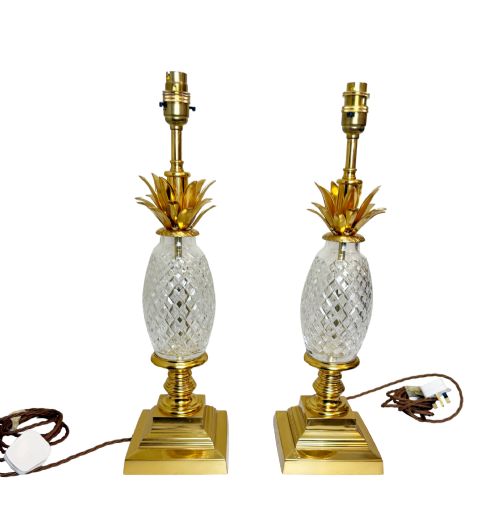
Metalwork forms a significant portion of these listings, utilising cast brass, copper, gilt bronze, and ormolu combined with applied surface treatments like champleve enamelling or hand-painted details. Glass elements feature heavily in the lighting selections, appearing as moulded mushroom shades, cut crystal, and mottled art glass reminiscent of studio traditions.
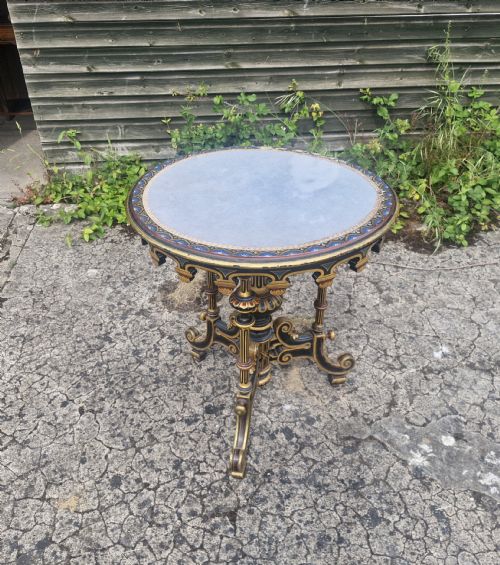
Wooden lamp bases and associated accent tables are constructed from traditional cabinet timbers such as mahogany, satinwood, and elm, often embellished with marquetry, hand-carved decoration, chinoiserie lacquer, or gilded turnings. The integration of stone, such as marble and onyx tops on tables and bases, provides structural weight and visual contrast.
Makers employed labour-intensive assembly methods, fastening heavy metal castings with threaded rods, hand-carving timber supports, and hand-painting ceramic or fabric components. Structural integrity relies on traditional joinery in the wooden supports and secure metal fittings that accommodate electrical conversions while preserving the original decorative exterior.
Decorative Accent Lamp Retail Price Guide 2026
Typical asking prices for decorative accent lamp among the pieces listed under this phrase on Sellingantiques today, from the lower quarter to the upper quarter. They describe what is for sale here now, not the wider market.
Distinctions in quality and execution
Quality in these pieces is determined by the clarity of casting in metal components, the precision of hand-carving in timber frames, and the purity of materials such as cut crystal or marble. Superior examples display crisp chasing on bronze work, refined joinery on occasional tables, and intentional harmony between the lamp base and its decorative scheme.
The artistic ambition of the design separates standard production items from exceptional works, visible in signed or attributed glass art, intricate champleve patterns, or sophisticated hand-painted chinoiserie and polychrome finishes. Wear that respects the age of an object without compromising its structural stability or decorative integrity also distinguishes finer survivals.
The Decorative Accent Lamp Glossary
- Champleve
- An enamelling technique where troughs are carved into a metal surface and filled with vitreous enamel before firing. This method creates rich coloured patterns on bronze and brass lamp bases.
- Ormolu
- Finely ground high-carat gold applied to a bronze object through mercury amalgamation. The resulting finish yields a warm, durable metallic lustre typical of French decorative pieces.
- Chinoiserie
- European artistic interpretations of Chinese and East Asian decorative motifs. These designs appear on painted lamp bodies and lacquered occasional tables.
- Marquetry
- The art of applying pieces of veneer to a structure to form decorative patterns. Craftsmen utilise varied timber tones to create pictorial or geometric designs on table tops.
- Tripod lamp table
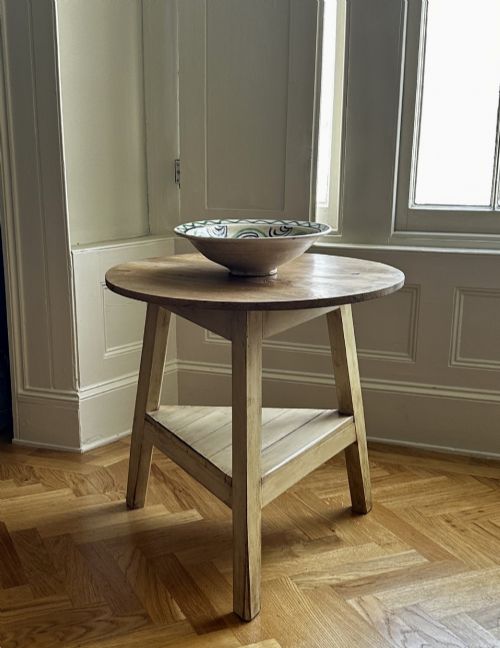
- A small standalone table supported by three legs, frequently utilised for holding portable lighting or serving drinks. The three-legged format ensures stability on uneven floorboards.
Decorative Accent Lamp: Frequently Asked Questions
Where should I place a decorative accent lamp?
These lamps suit locations requiring low-level ambient illumination rather than primary task lighting. Place them on side tables, desks, or mantels where their specific material qualities can be appreciated up close.
Because many examples incorporate delicate glass, porcelain, or painted surfaces, position them away from high-traffic household areas where they might be easily knocked.
How do I care for antique metal and glass lamps?
Dust metal components gently with a dry microfiber cloth, avoiding harsh chemical polishes that can strip original patination or damage applied gilding. Glass shades and crystal elements can be cleaned with a damp cloth and mild soap, ensuring they are thoroughly dried before relighting.
Check electrical cords and internal fittings periodically to ensure safe operation, consulting a qualified electrician for rewiring older fixtures.
What distinguishes an occasional table lamp from a standard lamp?
An occasional table lamp or lamp table is built as a piece of furniture designed to hold a light source or integrated directly into a small table surface. A standard lamp, or floor lamp, is a tall standalone upright fixture meant to rest directly on the floor.
Both types serve to introduce vertical interest and ambient light into room corners or seating layouts.
How do I identify the period of an accent lamp?
Period identification relies on observing stylistic markers, such as the sinuous lines of Art Nouveau brasswork or the geometric symmetry typical of Art Deco mottled glass. Material choices, casting techniques, and construction methods also point toward specific manufacturing decades.
Cross-referencing these visual clues with known regional craft traditions helps narrow down the date of manufacture.