





Decorated Porcelain Plates
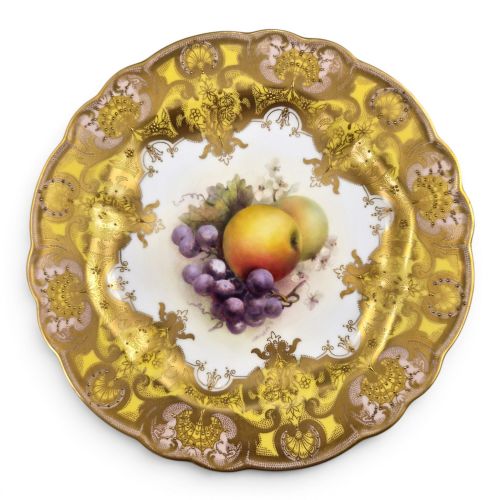
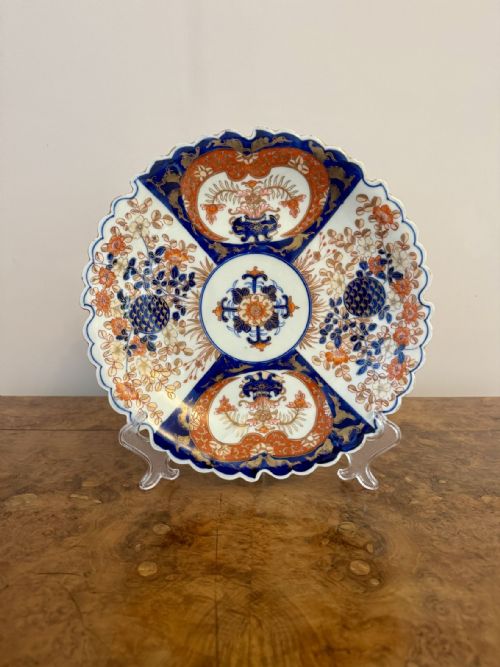
These decorated porcelain plates span centuries of kilncraft, offering painted fruit, armorials, and Imari palettes to elevate a table or cabinet.
Decorated Porcelain Plates
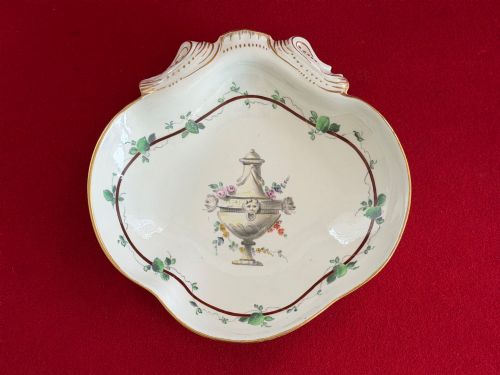
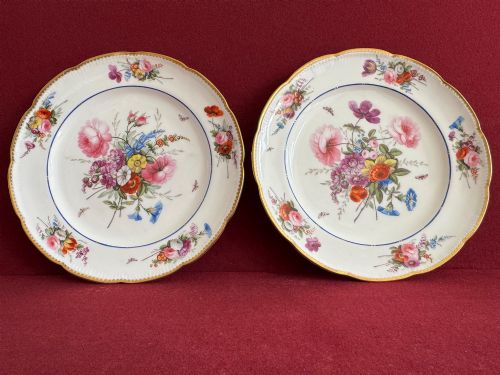
When buyers search for decorated porcelain plates, they look at a broad sweep of ceramics designed for display or service rather than daily dining. The pieces on this page include cabinet plates, dessert dishes, chargers, and soup plates spanning the Georgian, Regency, Victorian, Edwardian, and later periods.
The selection ranges from British factories like Worcester, Nantgarw, Coalport, and Royal Doulton to Chinese Export and Japanese Edo period wares. You encounter everything from hand-painted fruit scenes by named artists to traditional Japanese Imari patterns and Chinese blue and white ceramics.
How they were made
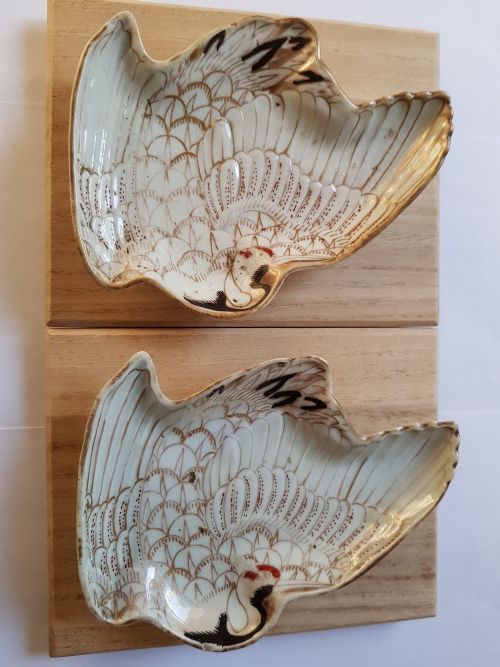
Makers shaped soft-paste and hard-paste porcelain, sometimes moulding dishes in shallow relief into forms such as cranes before firing. The surfaces received lead glazes and were painted using enamels, iron red, black, and gold leaf or gilding.
Decoration often occurred away from the primary pottery in specialised London or independent studios, where artists applied detailed botanical, avian, and armorial subjects by hand before a secondary firing to fix the pigments.
Decorated Porcelain Plates Retail Price Guide 2026
Typical asking prices for decorated porcelain plates among the pieces listed under this phrase on Sellingantiques today, from the lower quarter to the upper quarter. They describe what is for sale here now, not the wider market.
Materials represented in these ceramics include porcelain, soft-paste porcelain, enamel, gold leaf, and ceramic.
What varies in quality
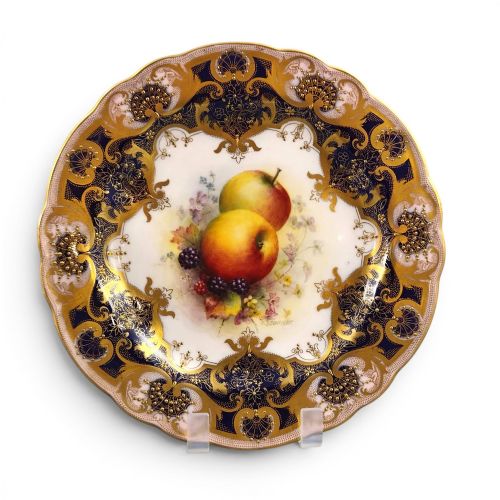
Quality rests in the precision of the brushwork and the ambition of the composition, distinguishing standard factory output from pieces painted by recognised studio artists. Hand-painted fruit studies and armorial crests demand high technical skill in handling enamels and gold leaf.
The crispness of the porcelain body, the depth of the glaze, and the preservation of the gilding and enamel colours dictate the standing of an individual piece within its period.
James Giles·Barr, Flight and Barr·Royal Worcester·Coalport·Royal Doulton
The Decorated Porcelain Plates Glossary
- Armorial
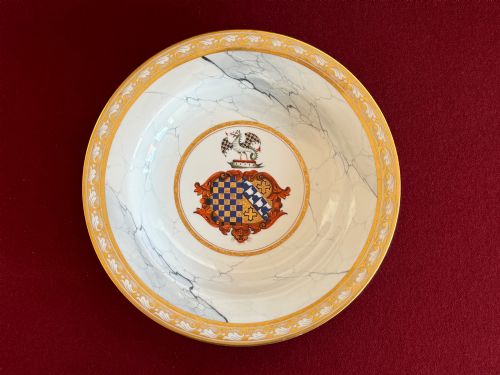
- Bearing a coat of arms or family crest. These plates were often commissioned by aristocratic households to match dining services.
- Soft-Paste Porcelain
- An artificial porcelain composition fired at lower temperatures than hard-paste. It creates a warm, slightly softer glaze surface favoured by eighteenth-century English factories.
- Imari
- A style of Japanese export porcelain featuring underglaze blue combined with iron red, gold, and secondary enamel colours. The palette was widely copied by European potteries.
- Cabinet Plate
- A decorative plate intended for display in a cabinet or on a wall rather than for practical table service. They frequently feature elaborate hand-painted scenes by master artists.
- Enamel
- Vitreous coloured glass fused to the porcelain surface during a low-temperature second firing. It permits a wide range of vibrant hues beyond standard cobalt blue.
Decorated Porcelain Plates: Frequently Asked Questions
How do I date a porcelain plate?
Dating relies on factory marks stamped or painted on the underside, alongside the style of the porcelain body and the painting technique. Georgian and Regency pieces often show different glaze pooling compared to Edwardian or later productions.
Examining the palette and subject matter also helps narrow the decade of manufacture. Comparing pieces to documented factory outputs clarifies their age.
Can I use antique plates for dining?
Most decorated porcelain plates from the eighteenth and nineteenth centuries are better suited for display than everyday meals. Hand-applied enamels and gold leaf can wear down with frequent washing and utensil use.
Cabinet plates and dessert dishes were frequently made for specific presentation purposes. Preserving them protects the historic glazes and hand-painted surfaces.
What is the difference between soft-paste and hard-paste?
Soft-paste porcelain uses a mixture of glass frit and clays, fired at lower temperatures to produce a creamy body and a smooth glaze. Hard-paste porcelain relies on kaolin and petuntse, resulting in a denser, whiter material.
British factories during the Georgian period often utilised soft-paste before adopting standard hard-paste formulas. The paste type influences how light passes through the ceramic body.
What does an Imari palette look like?
An Imari palette uses a distinctive combination of underglaze cobalt blue, iron red, and abundant gold leaf details. The style originated in Japan during the Edo period and became immensely popular in Europe.
The patterns typically feature complex floral and geometric motifs arranged in panels. Both Japanese originals and European copies share this vibrant colour scheme.