



Decorated Desk
A decorated desk brings surface paint, inlay, and lacquer to a workspace, offering a distinct visual presence that plain timber lacks.
Decorated Desk
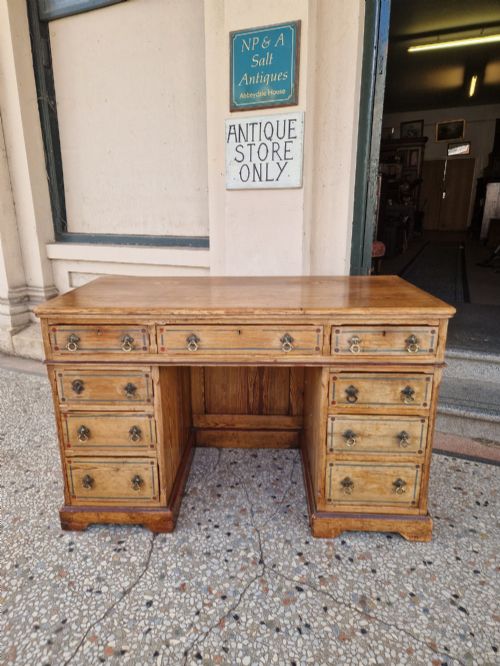
When you search for a decorated desk, you encounter writing furniture and related accessories enhanced by paint, lacquer, or marquetry rather than left in plain wood. The examples found here span multiple eras, including Georgian, Regency, Victorian, and Edwardian periods.
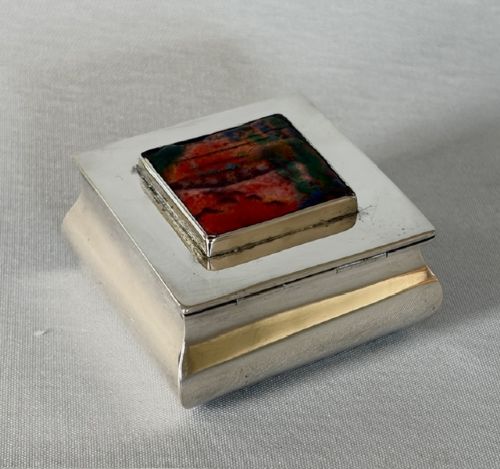
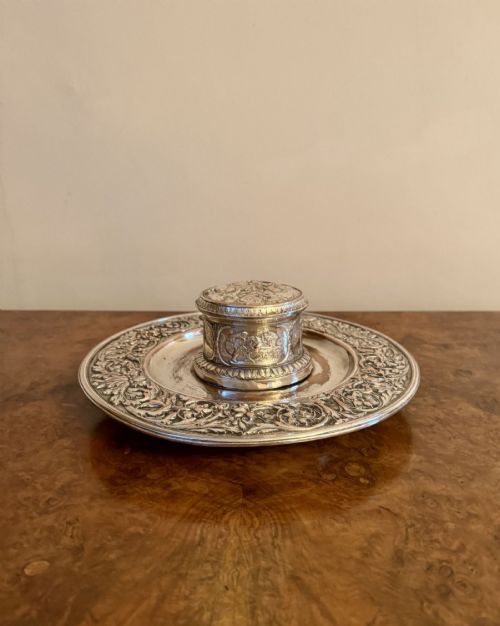
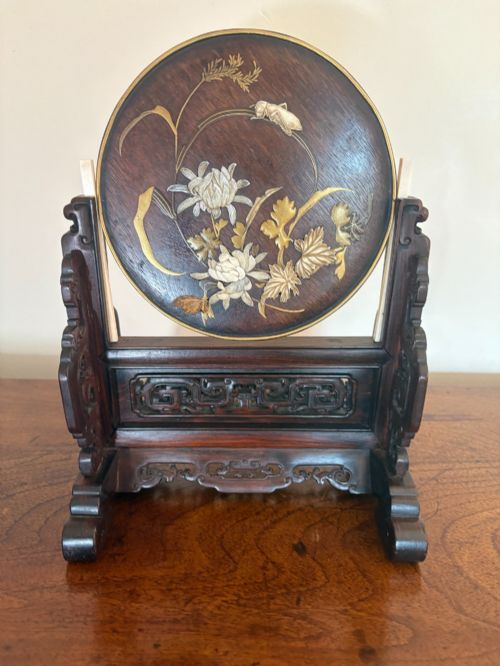
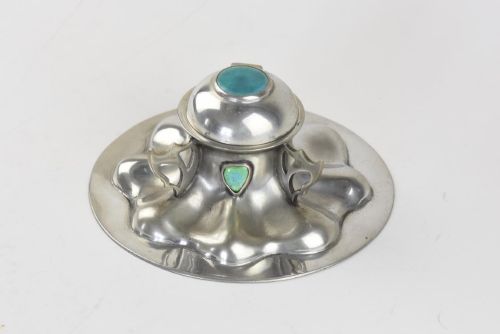
The most typical forms on this page include freestanding satinwood desks, painted knee-hole models, and associated desk accessories like inkstands and letter boxes. These pieces often incorporate styles such as Chinoiserie, Arts and Crafts, and Kashmiri design.
Many items utilise surface ornament, whether through hand-painted floral motifs, gilt gold, or intricate inlaid patterns. They function as both practical writing spaces and focal points within a room.
Materials and construction
The construction relies on cabinet timbers such as mahogany, oak, satinwood, and ebonised wood, providing a stable foundation for decorative treatment. Artisans applied hand-painted finishes, lacquer, and gilt gold directly to the wooden surfaces.
Metal elements including brass, cut steel, bronze, and copper repousse appear across desks and accessories, often paired with porcelain or enamel components. These varied materials demonstrate period techniques ranging from classic cabinet-making to specialised surface finishing.
Decorated Desk Retail Price Guide 2026
Typical asking prices for decorated desk among the pieces listed under this phrase on Sellingantiques today, from the lower quarter to the upper quarter. They describe what is for sale here now, not the wider market.
Materials across these listings include satinwood, mahogany, brass, porcelain, and paint.
Assessing quality
Quality rests upon the execution of the surface decoration and the precision of the underlying cabinet-making. Hand-painted details and fine inlay show superior craftsmanship compared to simpler applied finishes.
The selection of primary timbers, the condition of applied lacquers or paints, and the integration of hardware such as brass handles or cut steel all distinguish finer examples.
Flight and Barr·Spode
The Decorated Desk Glossary
- Satinwood
- A lustrous timber native to India and Sri Lanka, highly prized for fine furniture due to its golden sheen. It frequently serves as a canvas for painted decoration and delicate inlay.
- Kashmiri
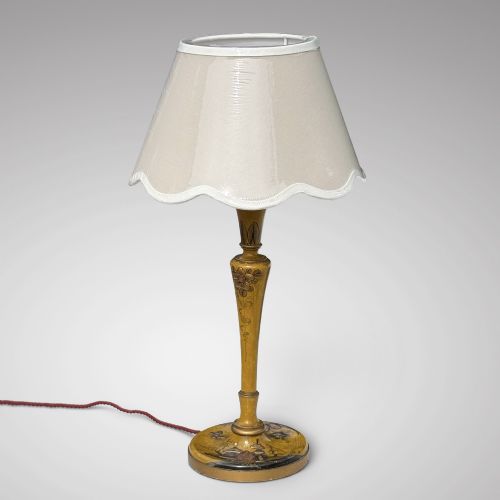
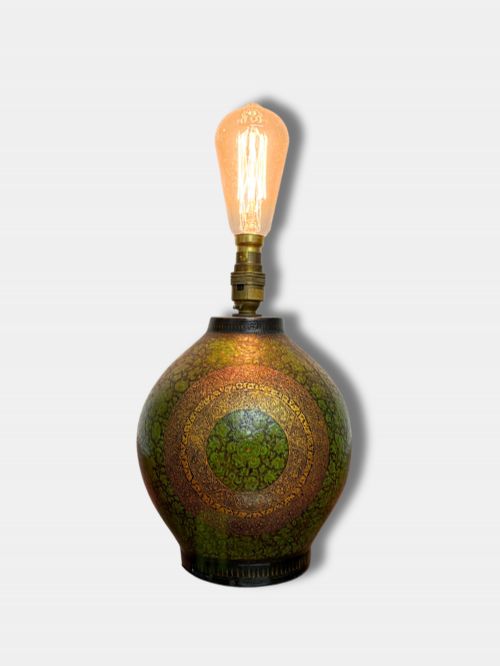
- Pertaining to decorative work originating from Kashmir, notable for intricate painted and gilt designs on wooden objects. This style appears on items like table lamps.
- Inkstand
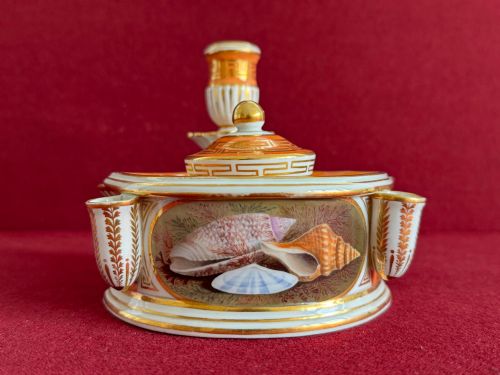
- A portable tray or stand holding inkwells, sanders, and penholders for a writing desk. Georgian and Regency examples often utilise porcelain or brass.
- Ebonised
- Wood treated with a dark finish to imitate expensive ebony. This technique provides a stark contrasting background for gilt or painted ornament.
Decorated Desk: Frequently Asked Questions
What periods do these decorated desks come from?
The pieces span several centuries, with representation from Georgian, Regency, Victorian, and Edwardian eras. Later items from the early twentieth century also appear.
Each period brings distinct stylistic choices, from painted satinwood to ebonised finishes and Arts and Crafts metalwork.
How do I care for a painted wooden desk?
Keep the desk away from direct sunlight and moisture to protect delicate paintwork and lacquered surfaces. Dust gently with a dry, soft cloth.
Avoid using harsh chemical polishes that can lift or dull historic paint and gilt decoration.
What is the difference between satinwood and mahogany desks?
Satinwood offers a pale, golden-yellow ground that suits detailed hand-painted scenes and contrasting stringing. Mahogany provides a deeper reddish-brown tone often used for structural stability and rich grain.
Both timbers form the backbone of fine writing furniture across different aesthetic movements.
Are desk accessories included with these pieces?
Certain listings feature matching accessories such as inkstands, letter boxes, and table lamps designed in complementary styles. These items range from porcelain inkwells to brass lighting.
They provide period-appropriate accompaniment to the main writing surfaces.