


Deconstructed Armchair Project
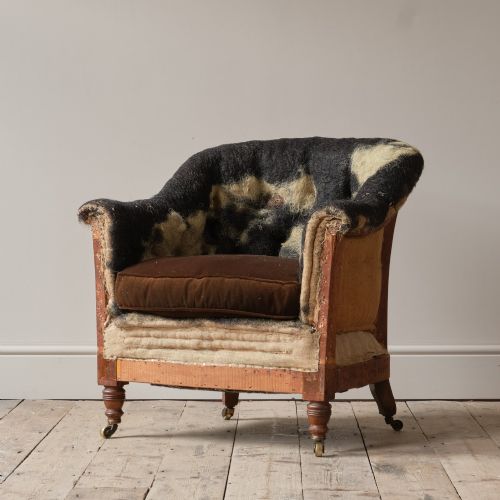
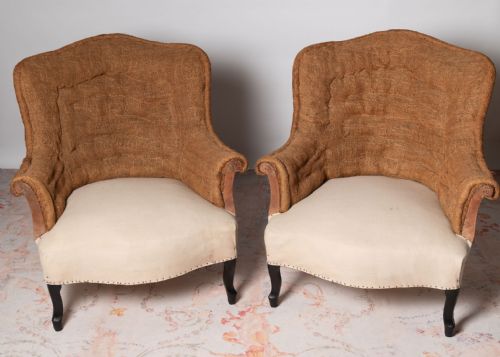
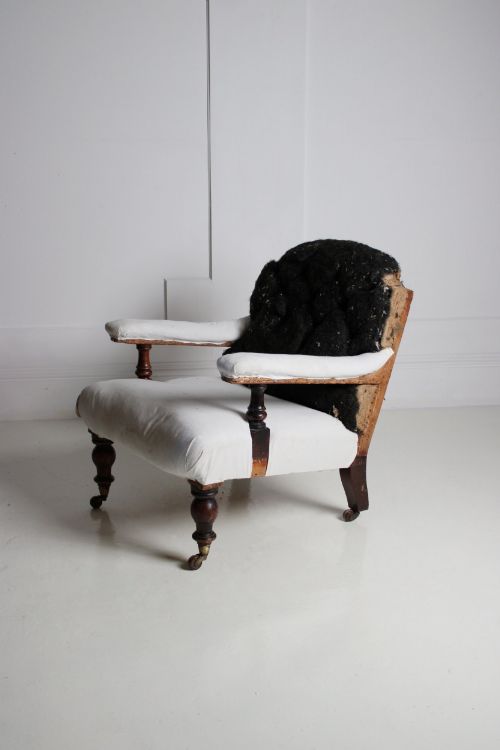
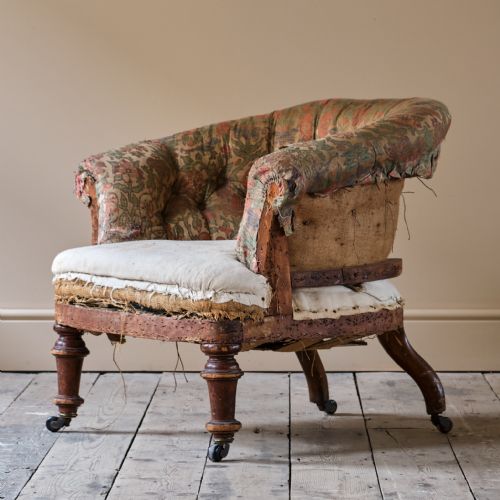
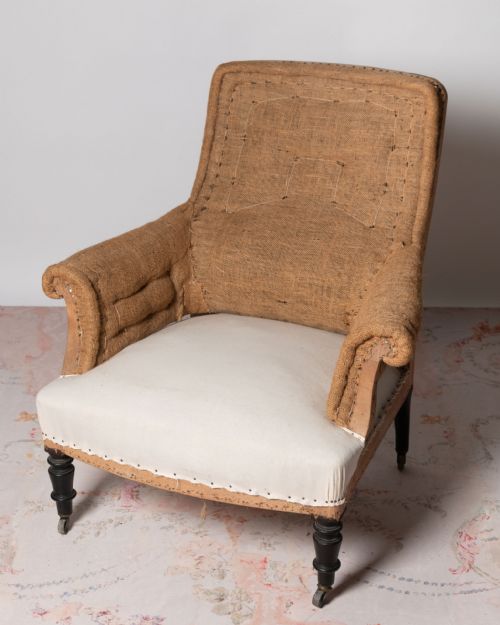
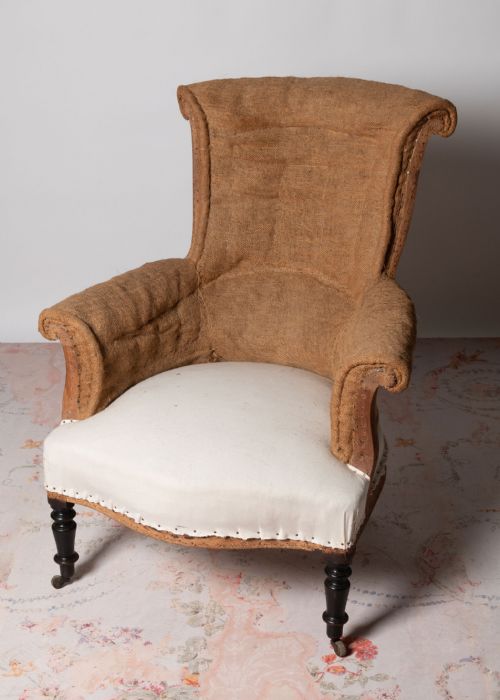
A deconstructed armchair project offers raw frames and exposed stuffing, providing an engaging opportunity for custom upholstery.
Deconstructed Armchair Project
A deconstructed armchair project strips traditional seating back to its foundational frame and internal padding, revealing the craftsmanship of earlier eras. Buyers seeking a deconstructed armchair project want a blank canvas for bespoke fabric choices and custom restoration.
The pieces on this page span the 18th century, 19th century, and the Victorian period, offering sturdy wooden skeletons ready for new covers. You will frequently encounter wingback, tub back, and French styles among these offerings.
Makers from the past built these sturdy armchairs to endure, utilising robust hardwoods and traditional joining techniques. Today, enthusiasts take on a deconstructed armchair project to preserve antique frames while applying modern aesthetic preferences.
Materials and construction methods
Makers constructed these chair frames from solid timbers such as mahogany, beech wood, and general wood, ensuring long-term structural integrity. These dense woods supported complex upholstery layers that included natural stuffings.
Traditional layering involved secured horsehair, hessian, and calico to build comfortable contours before applying the final outer fabric. Brass tacks and careful stitching held the foundational materials tightly against the wooden frames.
Upholsterers shaped button backs and winged sides using manual techniques that required considerable skill and patience. The exposed elements seen today highlight the honest carpentry and internal stuffing methods of past centuries.
Every stripped chair hides decades of old dust and stray horsehair ready to surprise its new owner during the restoration process.
Assessing quality and condition
The integrity of the underlying wooden frame dictates the baseline worth of any project piece. Solid joints and undamaged mahogany or beech structures sit at the top of the range.
The survival of original internal stuffing materials, such as horsehair and hessian, influences the authenticity of the piece. Superior examples retain their original shape and proportions beneath the stripped outer layers.
Stylistic refinement in the woodwork, such as reeded legs on Victorian chairs or early Georgian wingchair proportions, separates standard items from finer specimens. The elegance of the naked silhouette reveals the true capability of the original maker.
The Deconstructed Armchair Project Glossary
- Hessian
- A coarse woven fabric typically made from jute fibres, used historically as a strong foundation layer for internal upholstery stuffing.
- Horsehair
- Traditional stuffing material prized for its resilience and ability to hold shape within antique chair padding.
- Calico
- A plain-woven cotton fabric placed over internal stuffing to contain the padding before the final decorative upholstery is applied.
- Reeded legs
- Wooden support legs carved with parallel convex moulding, frequently seen on Victorian seating.
- Wingback
- An armchair style featuring protective side panels designed to shield the sitter from draughts near a fireplace.
Deconstructed Armchair Project: Frequently Asked Questions
What is a deconstructed armchair project?
It is an antique armchair stripped of its outer fabric to expose the hessian, horsehair, and wooden frame.
This state allows buyers to see the internal construction and apply their own choice of modern or traditional upholstery.
How do I choose the right frame?
Look closely at the exposed wood, such as mahogany or beech, to ensure the skeleton is sturdy and complete.
Consider the silhouette, whether it is a Victorian button back or an early Georgian wingchair, to match your interior vision.
Are these chairs comfortable to sit in as they are?
Exposed horsehair and hessian provide a firm, unfinished seat rather than a finished lounge experience.
They require webbing, padding, and top fabric before regular daily use.
How do I date these antique frames?
Dating relies on stylistic clues like leg turning, wood type, and overall chair proportions.
Periods represented range from the 18th century through the Victorian era.