



Deco Wall Hanging
A deco wall hanging brings geometric clarity and rich material contrast to a room, offering functional display through mirrors, brackets, and cabinets.
Deco Wall Hanging
A deco wall hanging encompasses a diverse group of objects designed to be suspended against vertical surfaces, ranging from functional mirrors and clocks to decorative plaques and architectural salvage. The pieces recorded on this page span several decades, with a strong representation of the 1920s and 1930s alongside Edwardian, mid-century, and nineteenth-century examples.
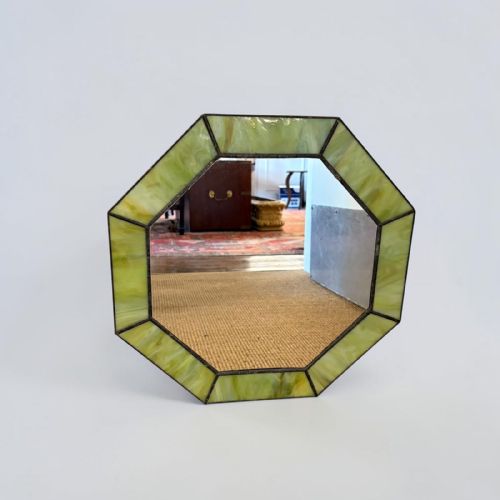
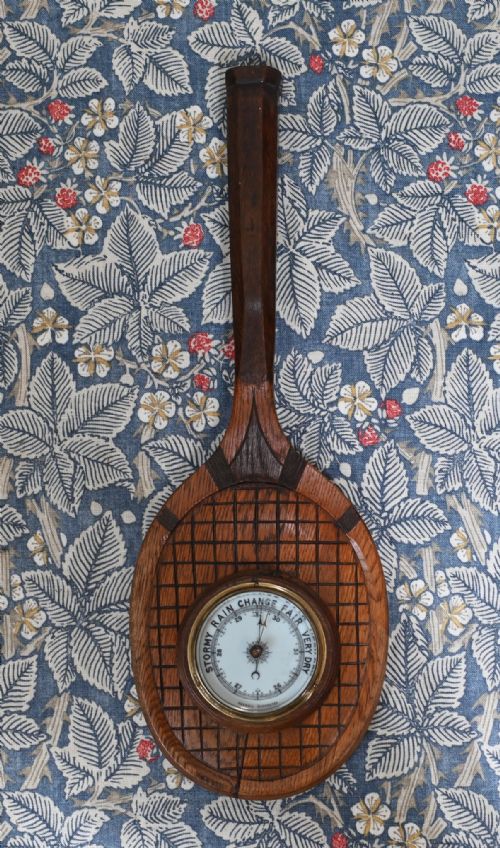
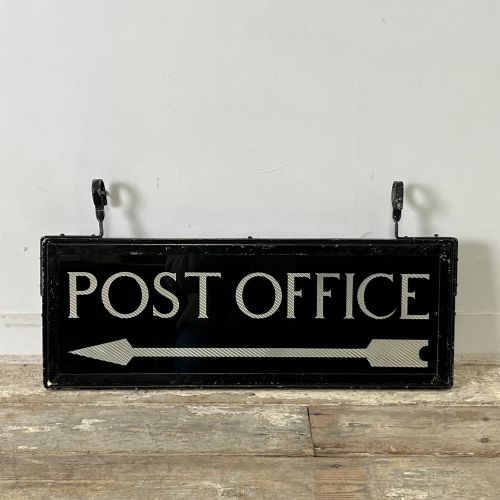
Mirrors form the most prominent category within these listings, appearing in octagonal, circular, and rectangular shapes framed in oak, bamboo, or chrome. Alongside these reflective surfaces, buyers encounter brass wall brackets, wooden wall cabinets with shelving, and specialised items such as post office direction signs and barometer tennis racquet club pieces.
Stylistic influences vary from French Art Deco and 1930s geometric designs to Edwardian Chinoiserie and mid-century modern interpretations. Materials shift from traditional oak and brass to mirror glass, steel, and alabaster, reflecting the eclectic production methods of their respective periods.
Materials and construction
Construction relies heavily on the combination of metals and woods, utilising brass, chrome, and steel alongside solid oak, bamboo, and marquetry panels. Artisans shaped these materials into robust frames, brackets, and cabinets designed to support weight while maintaining clean geometric lines.
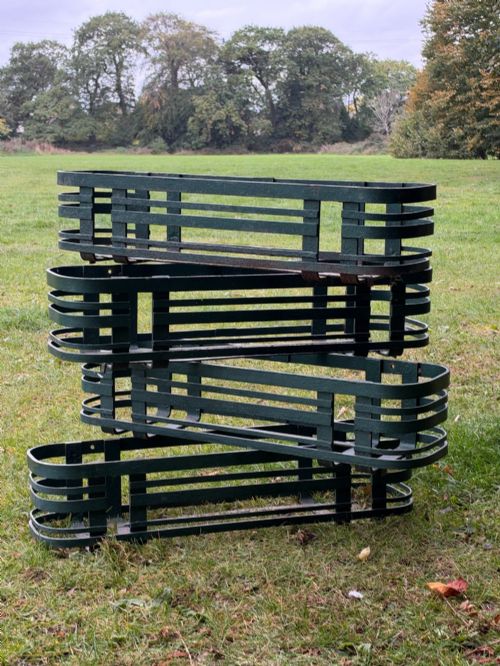
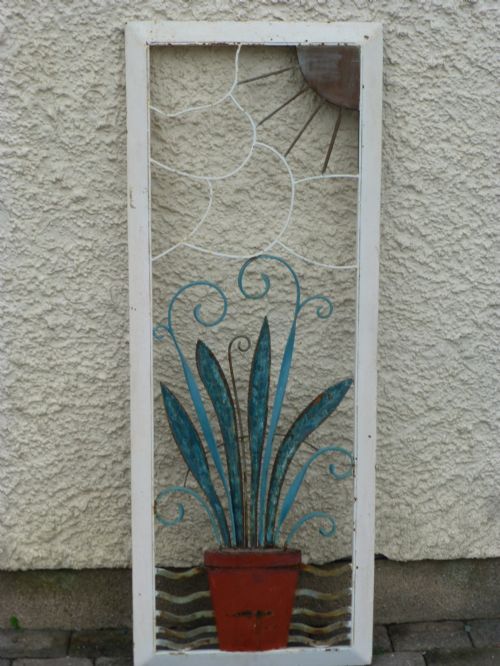
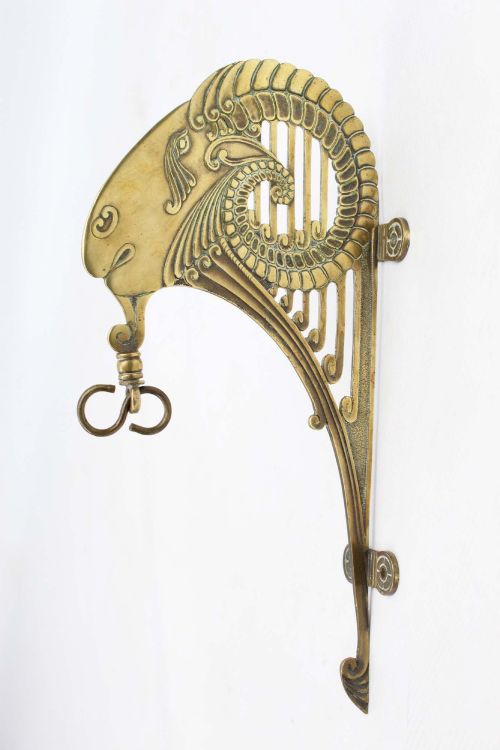
Glass and mirror glass undergo specialised bevelling and silvering processes to create reflective surfaces, occasionally paired with alabaster or incorporated into double-sided glass signage. Metalwork involves casting, forging, and reclamation, seen in architectural iron and bronze screens as well as brass hanging brackets.
Deco Wall Hanging Retail Price Guide 2026
Typical asking prices for deco wall hanging among the pieces listed under this phrase on Sellingantiques today, from the lower quarter to the upper quarter. They describe what is for sale here now, not the wider market.
Listings feature items spanning the Edwardian era through the 1950s, utilising oak, brass, glass, and chrome.
Quality distinctions in manufacture
Quality in a deco wall hanging rests on the integrity of the joinery and the purity of the materials used in the frame or structure. Superior pieces display precise fitting in oak and marquetry panels, whereas lesser examples rely on simpler stapled or glued joints.
The finish of the metal and glass components marks a clear division in standard. Hand-polished brass, heavy cast bronze, and clean, deep silvering on mirror glass indicate higher workshop standards compared to thin plated metals and cloudy reflective surfaces.
Raymond Subes
The Deco Wall Hanging Glossary
- Art Deco
- A design style characterised by streamlined forms, geometric patterns, and rich materials that dominated the interwar period. It influences many of the mirrors and clocks found in these listings.
- Marquetry
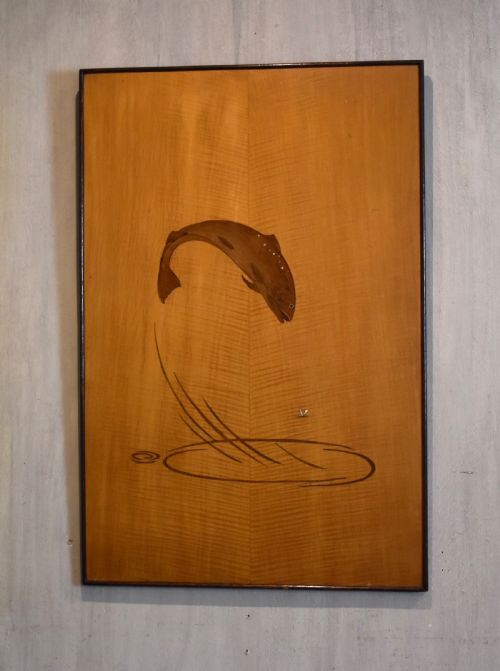
- The art of applying pieces of veneer to a structure to form decorative patterns or pictures. This technique appears on decorative wooden panels depicting scenes such as leaping fish.
- Aneroid barometer
- A device for measuring atmospheric pressure without liquid, operating by the expansion and contraction of a flexible metal box. Examples from the 1930s often combine this function with club or sporting motifs.
- Architectural salvage
- Building elements rescued from demolition or alteration for reuse as decorative or functional objects. Items such as iron and bronze screens fall into this category.
Deco Wall Hanging: Frequently Asked Questions
How do I hang a heavy deco mirror safely?
Heavy mirrors and wooden cabinets require appropriate wall fixings that match the weight of the piece and the composition of your wall. Utilising sturdy brackets or screws directly into wall studs ensures secure placement.
Because many pieces incorporate substantial oak frames or thick mirror glass, professional installation is often recommended to prevent strain on the hanging hardware over time.
Where should I place a wall cabinet?
A wall cabinet works effectively in hallways, living rooms, or kitchens where enclosed display space is needed without occupying floor area. Position them at eye level to allow easy access to shelves and interior contents.
Keep wooden cabinets away from direct, harsh sunlight and excessive moisture to preserve the stability of the timber and any decorative veneers.
How do I clean antique brass brackets?
Dust brass brackets gently with a soft, dry cloth to remove surface particles. Avoid harsh chemical cleaners that can strip away aged patination.
Preserving the natural surface wear maintains the historic character of nineteenth and twentieth-century metalwork without damaging the original finish.
What defines French Art Deco style?
French Art Deco often incorporates luxurious materials such as exotic woods, heavy bronze, and bamboo, emphasising sculptural form alongside utility. These pieces frequently display bolder proportions and finer craftsmanship than mass-produced equivalents.
Integrating a French piece into a room adds an element of architectural presence through distinctive silhouettes and refined surface textures.