



Deco Mirror Tray
A deco mirror tray brings functional glamour to a room, catching the light on glass and metal surfaces.
Deco Mirror Tray
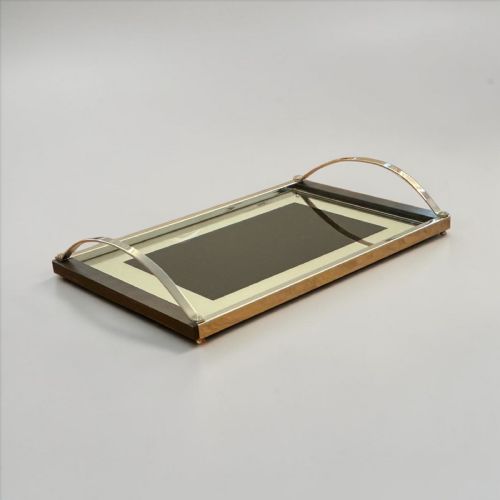
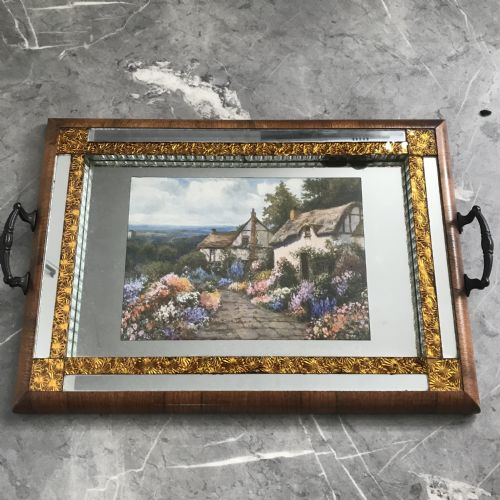
A deco mirror tray combines reflective glass with structural frames, serving as both a practical surface for drinks and a decorative display piece. When you search for a deco mirror tray, you encounter items designed for entertaining and tabletop organisation.
The pieces listed on this page span the early decades of the twentieth century, originating from the 1910s, 1920s, and 1930s. Trays, mirror plateaus, and drinks trays dominate the selection, often incorporating designated spots for decanters and glassware.
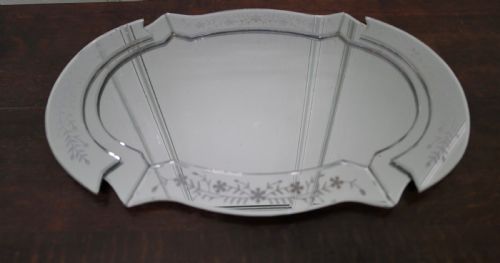
Venetian cut glass styles, walnut veneers, and geometric shapes such as octagonal forms define the visual character of these objects. Certain items double as wall mirrors or display stands when not in active service on a sideboard.
Materials and construction
Makers utilised mirrored glass and standard glass as the primary reflective surfaces, frequently embellishing them with intricate etchings. Frames and handles integrated silver plate, chrome, copper, and solid metal to provide robust structural support.
Wooden elements, specifically walnut veneer, appeared on select bases to introduce warmth and texture beneath the glass plate. Metal handles in copper or silver plate were securely fastened to contain glassware during transit across a room.
Deco Mirror Tray Retail Price Guide 2026
Typical asking prices for deco mirror tray among the pieces listed under this phrase on Sellingantiques today, from the lower quarter to the upper quarter. They describe what is for sale here now, not the wider market.
Materials recorded across the current inventory include copper handles, chrome framing, and etched Venetian glass plates.
Understanding quality
The refinement of the surface decoration dictates the standing of a piece, separating simple functional items from elaborate artistic examples. Hand-etched Venetian glass details and precision beveling demonstrate superior craftsmanship compared to plain glass inserts.
The choice of framing materials also establishes distinction, with substantial silver plating or warm walnut veneer elevating the object. Integrated hardware, such as solid copper handles, indicates a higher level of design execution.
The Deco Mirror Tray Glossary
- Decanter set
- A collection comprising a serving tray and matching bottles designed for spirits. These sets sit neatly on mirrored surfaces.
- Mirror plateau
- A mirrored base traditionally placed in the centre of a dining table to reflect glassware or candlesticks. It serves a similar decorative function to a drinks tray.
- Venetian cut glass
- Glasswork characterised by intricate wheel-cut motifs and floral or geometric patterns. This technique adds texture and depth to the reflective surface.
- Walnut veneer
- A thin layer of walnut wood applied over a secondary timber base. It provides the rich grain appearance seen on select tray frames.
Deco Mirror Tray: Frequently Asked Questions
What is a deco mirror tray used for?
These pieces function primarily as serving accessories for cocktails, wine, and decanter sets on sideboards or tables.
They also act as decorative display bases for perfume bottles and small ornaments in living spaces or bedrooms.
How do I clean a vintage mirror tray?
Wipe the glass surface gently with a soft cloth and a mild glass cleaner, avoiding harsh abrasives that could damage silver plating or etchings.
Take care around the edges of the mirror plate where silver backing can be vulnerable to moisture ingress.
Are these trays suitable for daily use?
Sturdy construction with metal handles and wooden bases allows for occasional service of drinks and glassware.
Treating older pieces with care preserves the delicate cut glass and silver-plated surfaces against accidental knocks.
How do I date a mirror tray?
Dating relies on stylistic clues such as geometric Art Deco lines, materials like chrome or walnut veneer, and manufacturing hallmarks.
Pieces range from the 1910s through the 1920s and 1930s, showing shifts from earlier ornate traditions to streamlined modernism.