

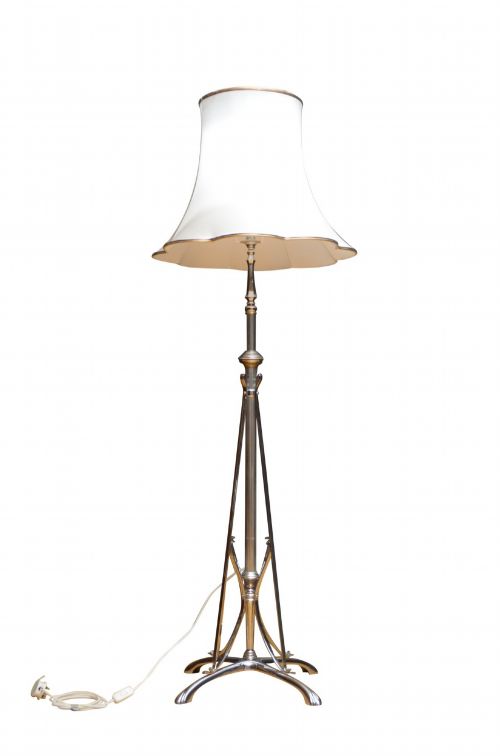


Deco Floor Lamp
A deco floor lamp brings strong geometric lines and rich materials into a room, standing tall as both a light source and a sculptural centrepiece.
Deco Floor Lamp
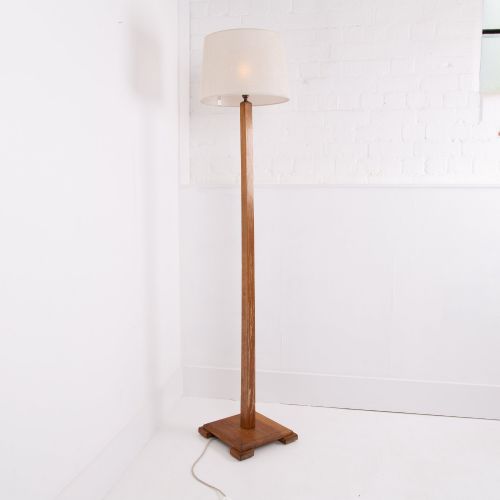
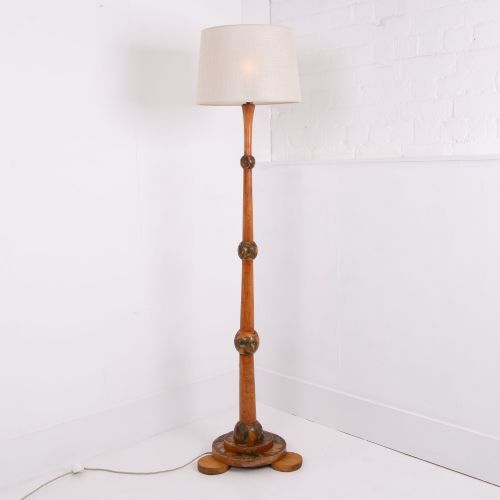
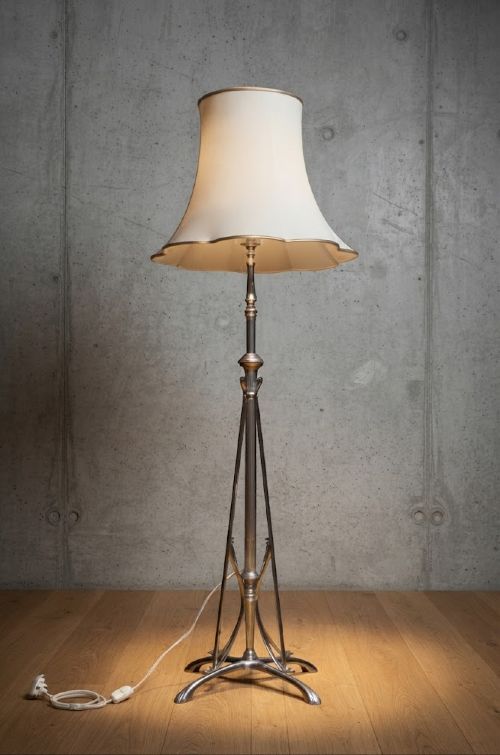
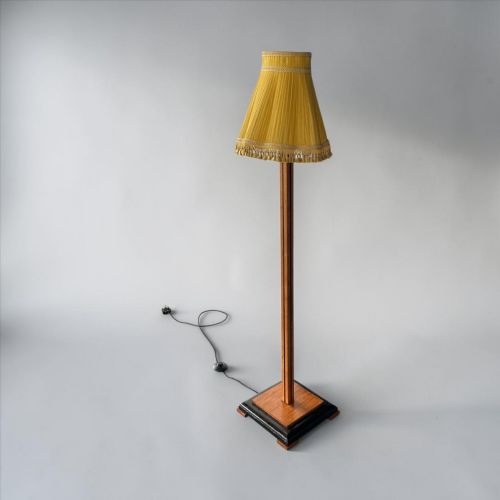
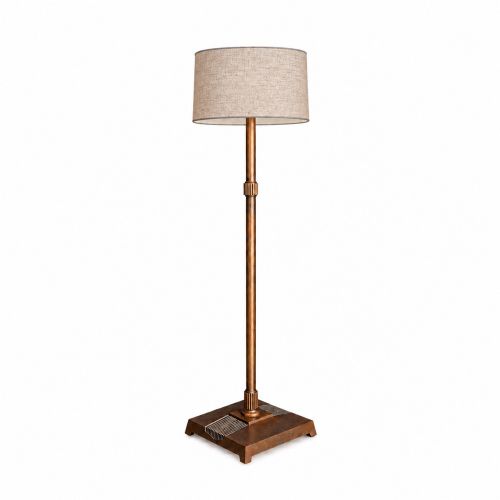
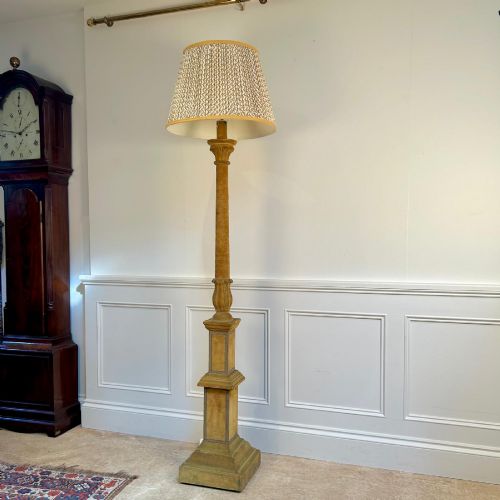
A deco floor lamp encompasses standard lamps, torcheres, uplighters and lamp tables originating primarily from the 1920s and 1930s. Buyers searching for a deco floor lamp will find pieces spanning classic Art Deco design alongside related aesthetic movements like Hollywood Regency and 1930s Italian styles.
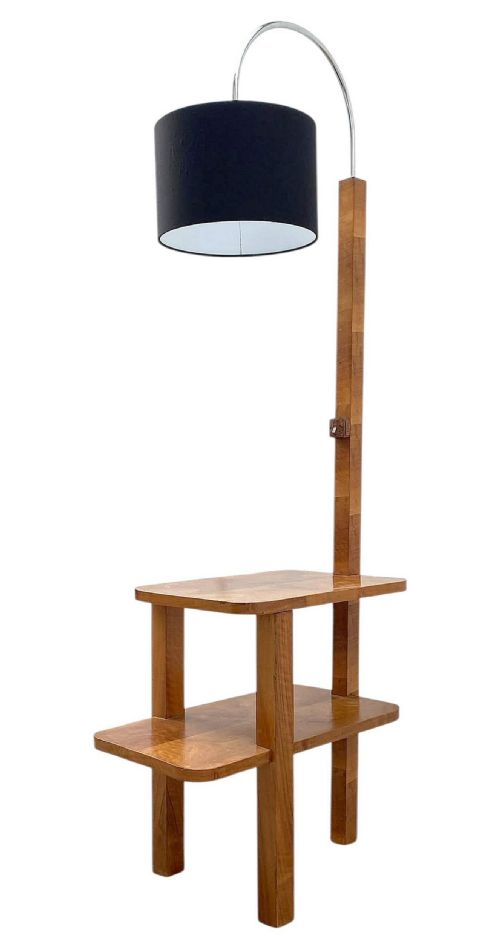
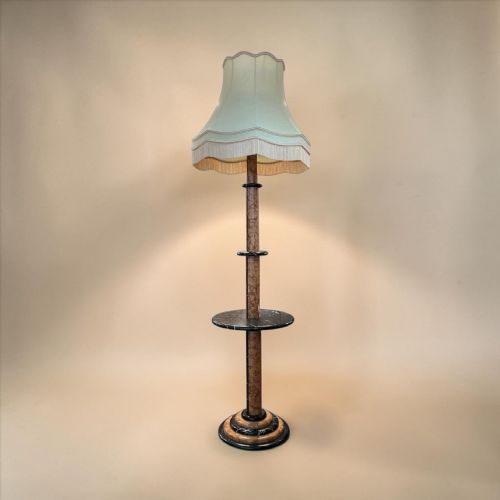
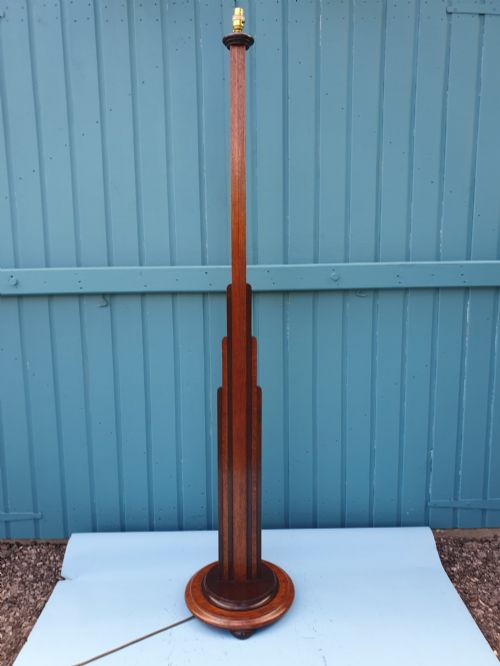
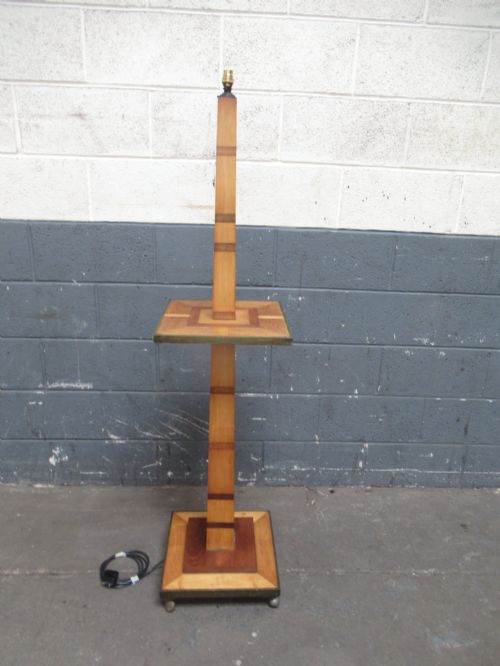
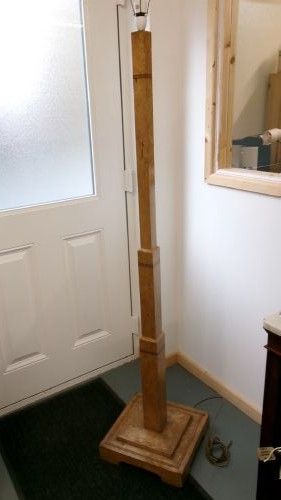
The standard lamp form dominates the selection, frequently paired with wooden tables or designed with tiered skyscraper silhouettes. These upright pieces provide ambient or task illumination while functioning as prominent interior furnishings.
Originating across Britain, Italy and beyond, these items reflect the stylistic shifts of the early twentieth century. The inventory showcases forms from simple upright standards to elaborate torcheres and functional lamp tables.
Materials and construction
Craftsmen utilised a diverse palette of metals and woods to build these lights, combining brass, chrome, and copper with solid marble, walnut, oak, and giltwood. Fabric shades in silk and velvet frequently complete the upper portion of the standard lamps.
Construction techniques balanced structural stability with decorative flair, supporting heavy stone bases or tall wooden shafts. Metal components often received polished chrome or gilt finishes to catch and reflect light.
Deco Floor Lamp Retail Price Guide 2026
Typical asking prices for deco floor lamp among the pieces listed under this phrase on Sellingantiques today, from the lower quarter to the upper quarter. They describe what is for sale here now, not the wider market.
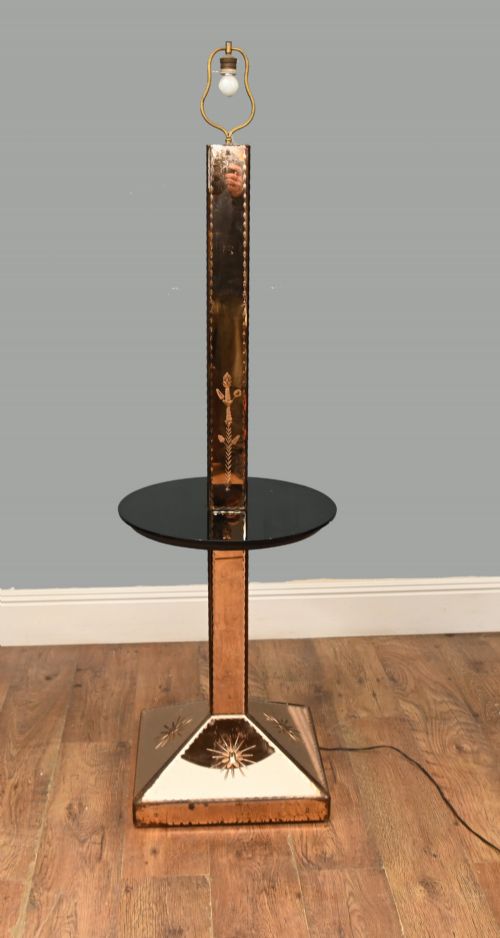
Some models thoughtfully included a built-in glass cocktail table, ensuring your evening martini remained within arm's reach of the reading chair.
Assessing quality and finish
Quality rests upon the selection of materials and the integrity of the original construction, distinguishing richly figured walnut and golden oak from simpler timber builds. Heavy marble bases and solid brass or chrome fittings indicate superior production standards compared to lighter alloys.
Refinement of detail defines the upper tier of pieces, seen in sophisticated skyscraper tiers, inlaid ebony accents, and integrated glass cocktail tables. The harmony between the vertical standard and the chosen shade or uplighter mechanism reveals the maker's original ambition.
Harry and Lou Epstein
The Deco Floor Lamp Glossary
- Standard lamp
- A tall floor-standing lamp designed to illuminate a room from a standing position. These fixtures form the majority of upright lighting choices.
- Torchiere
- A tall floor lamp that directs light upward towards the ceiling for indirect illumination. Pairs of these often feature grand decorative shafts.
- Uplighter
- A lighting fixture engineered to cast illumination straight up. They frequently utilise metal bowls in chrome or copper to bounce light.
- Lamp table
- A hybrid furniture piece combining a standard lamp with a small surface for drinks or display. Solid marble and walnut versions integrate both functions into a single footprint.
- Skyscraper style
- An architectural design influence characterised by stepped vertical tiers reminiscent of early high-rise buildings. This aesthetic defines many oak and walnut standards.
Deco Floor Lamp: Frequently Asked Questions
How do I style a deco floor lamp?
Position the lamp in a corner or beside a seating area where its vertical lines can complement surrounding furniture. The height and warm wood or metal tones help anchor the surrounding space.
Pair the fixture with complementary 1930s furniture or use it as a standalone statement piece to break up minimalist modern layouts.
What is the difference between a standard lamp and a torchiere?
A standard lamp generally supports a downward-facing shade to cast light across a room or reading area. They often include integrated tables or simpler upright shafts.
A torchiere specifically directs its illumination upward toward the ceiling, creating ambient reflected light. These often feature decorative bowls or sculptural upward-pointing fixtures.
How do I identify a 1920s piece from a 1930s piece?
Pieces from the 1920s frequently display early Art Deco transitions, combining traditional woodcraft with emerging metal finishes. Giltwood and simpler standard forms often date to this earlier decade.
The 1930s introduced bolder skyscraper silhouettes, chrome plating, and integrated glass cocktail tables. Designers during this later period embraced sleek modernity and mixed materials more audaciously.