





Deco Drink Shaker
A deco drink shaker is a striking barware essential that brings geometric elegance and period style to modern home mixing.
Deco Drink Shaker
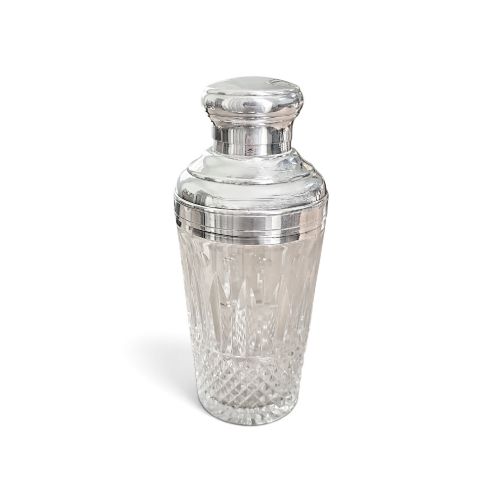
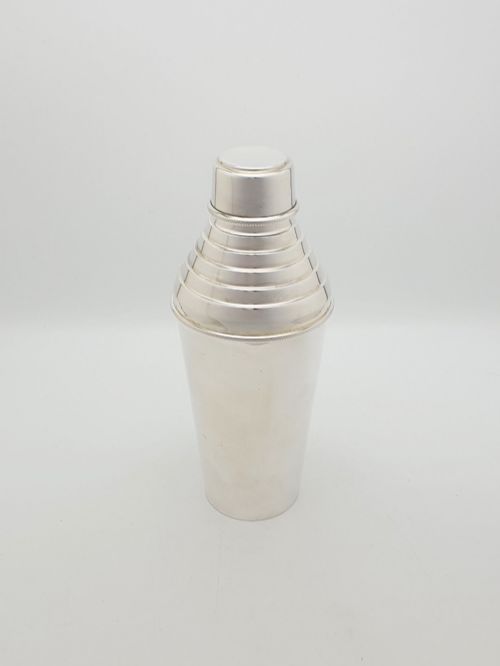
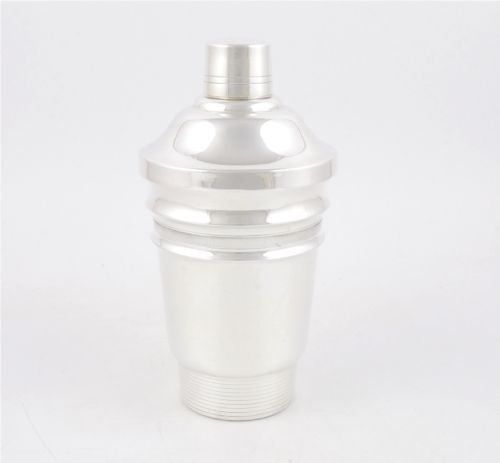
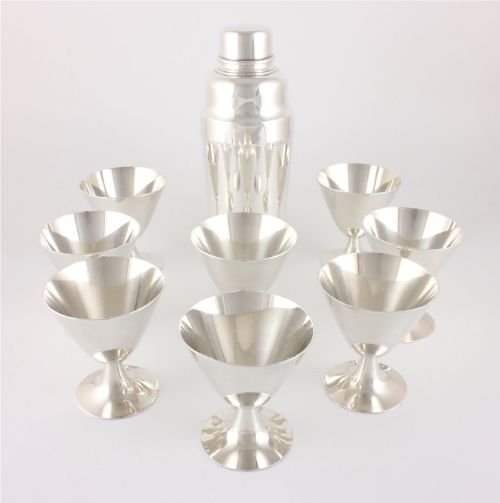
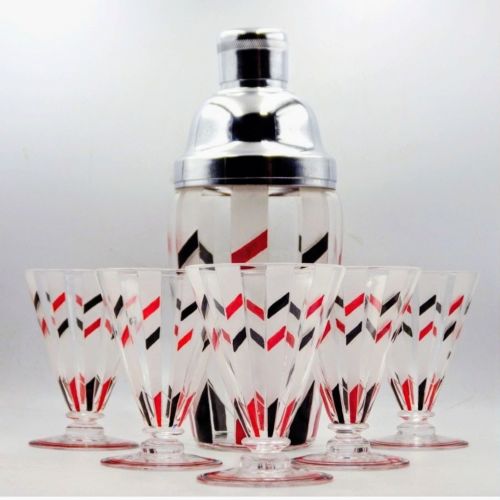
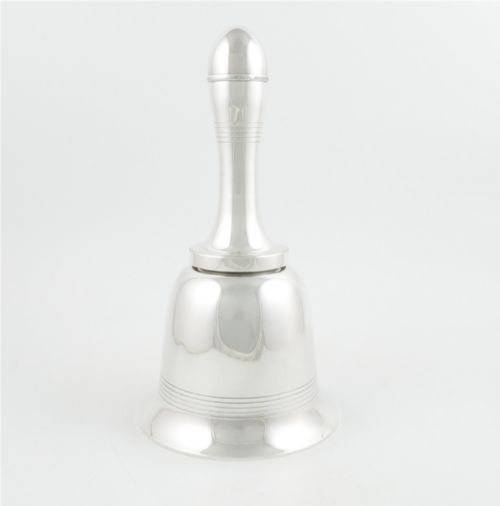
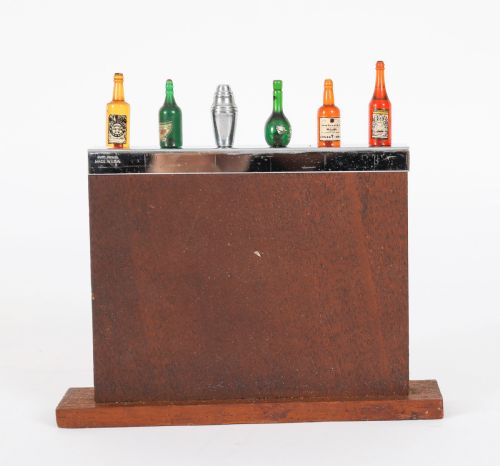
When you search for a deco drink shaker, you encounter barware originating primarily from the nineteen-twenties through to the nineteen-forties, embodying classic Art Deco and Modernist design principles. These objects take the form of cocktail shakers, bachelor shakers, and complete barware sets designed for domestic entertainment.
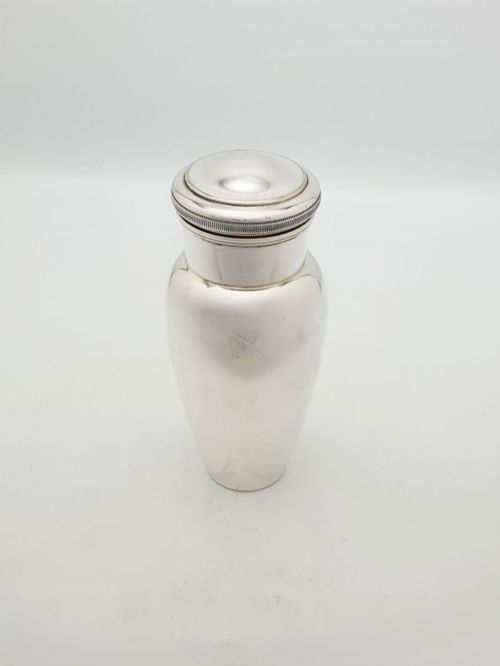
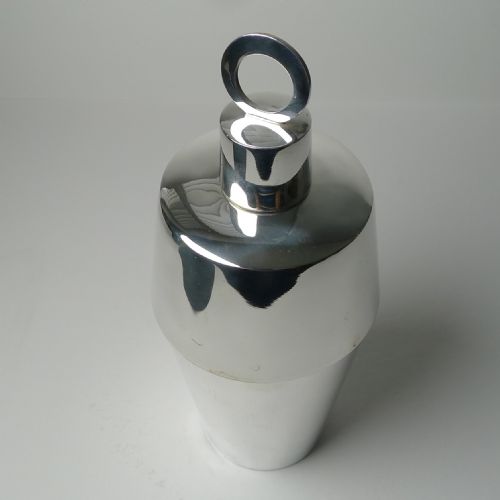
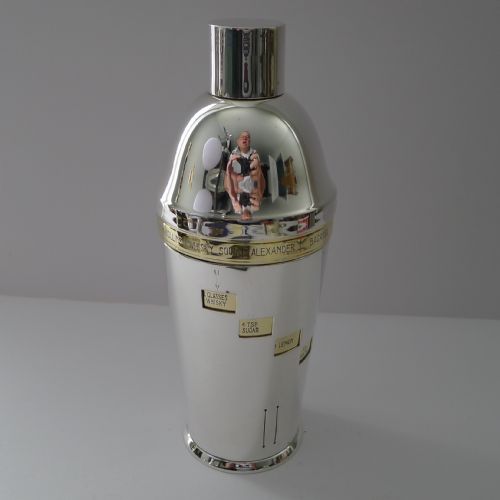
The most common examples on this page are silver-plated metal vessels, often cylindrical or shaped like milk churns and bullets. Many incorporate functional elements such as integral lemon squeezers, ice breakers, or revolving outer cylinders displaying cocktail recipes.
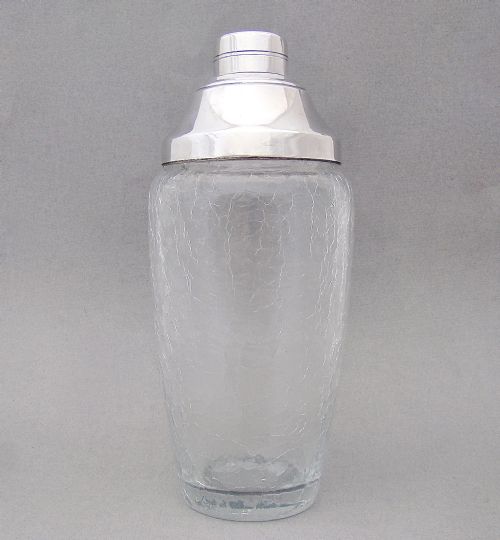
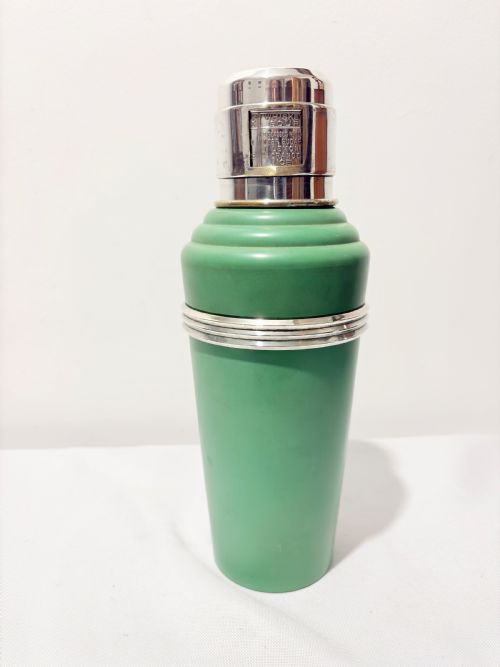
Geographic origins span England, France, Italy, Switzerland, and Germany, reflecting a widespread international enthusiasm for streamlined modernist forms. Alongside all-metal bodies, variants combine silver plating with crackle glass, enamelled glass, and colourful Bakelite components.
Materials and Construction
The primary construction relies on silver plate, electroplated nickel silver, and sterling silver applied over base metals, providing a bright reflective finish. Artisans employed metal spinning and stamping techniques to achieve smooth cylindrical and bullet profiles.
Decorative surface work frequently utilises engine-turned geometric patterns, engraved cocktail recipes, and enamel detailing. Internal elements incorporate cork stoppers and secondary glass inserts to seal liquids securely during mixing.
Deco Drink Shaker Retail Price Guide 2026
Typical asking prices for deco drink shaker among the pieces listed under this phrase on Sellingantiques today, from the lower quarter to the upper quarter. They describe what is for sale here now, not the wider market.
Listings span the decades from nineteen-twenty through to nineteen-sixty, showcasing silver plate, sterling silver, glass, wood, and Bakelite.
Assessing Quality and Manufacture
Quality in a deco drink shaker rests on the weight of the metal, the precision of the fitting lids, and the crispness of any engine-turned or engraved decoration. Substantial gauge silver plate or sterling silver indicates a higher grade of production compared to lighter utility wares.
The integrity of mechanical components, such as rotating recipe bands or integrated lemon squeezers, distinguishes standard production items from finer studio or maker-marked examples. Preserved interior silver plating and undamaged glass or Bakelite accents also elevate the standing of a piece.
Asprey & Co·Keith Murray·Hukin & Heath·J. B. Chatterley & Sons·James Dixon & Sons·William Suckling·Adie Brothers·Carl Deffner·C S Green & Co·Gaskell & Chambers
The Deco Drink Shaker Glossary
- Silver Plate
- A thin layer of silver fused to a base metal such as copper or nickel brass. This technique allowed manufacturers to produce substantial domestic items at a lower cost than solid silver.
- EPNS
- Electroplated Nickel Silver. A common base alloy underneath silver plating found on numerous mid-century barware pieces.
- Engine Turned
- A precision decorative technique involving geometric patterns mechanically engraved into metal surfaces. It creates repetitive, textured linear designs typical of luxury items from the period.
- Bakelite
- An early synthetic thermosetting plastic. It appears on handles, lids, and decorative rings in contrasting bright colours.
- Bachelor Shaker
- A smaller capacity cocktail shaker designed for single servings or intimate gatherings. These compact vessels measure below standard pint capacities.
Deco Drink Shaker: Frequently Asked Questions
How do I clean an antique shaker?
Wash the interior gently with warm soapy water and a soft cloth, avoiding harsh abrasive dips that strip the silver plate. Ensure cork seals and internal components dry thoroughly before storage to prevent moisture damage.
Polish the exterior sparingly using a dedicated silver cloth to maintain the original lustre without wearing down the plated surface. Take extra care around engraved recipes and enamel details.
Are these shakers still usable today?
Most silver-plated and metal shakers remain entirely functional for mixing drinks if the internal seals and corks are in good condition. Inspect the interior plating to ensure the metal surface remains clean and stable for food contact.
Some delicate glass-bodied variants or pieces with worn internal corks serve better as display items rather than for daily cocktail preparation. Gentle handling preserves fragile mechanisms like rotating recipe bands.
How do I spot a recipe shaker?
Recipe shakers feature outer sleeves or engraved text listing proportions for classic cocktails directly on the body. Some examples use a rotating double-walled cylinder to reveal different drink formulas through cut-out windows.
These functional novelties date predominantly from the nineteen-thirties and nineteen-forties across English and Italian workshops. They combine practical bartending utility with playful period graphics.