






Deco Bird Ornament
These deco bird ornament examples capture aerodynamic lines and avian spirit in bronze, frosted glass and marble from the nineteen-twenties and thirties.
Deco Bird Ornament
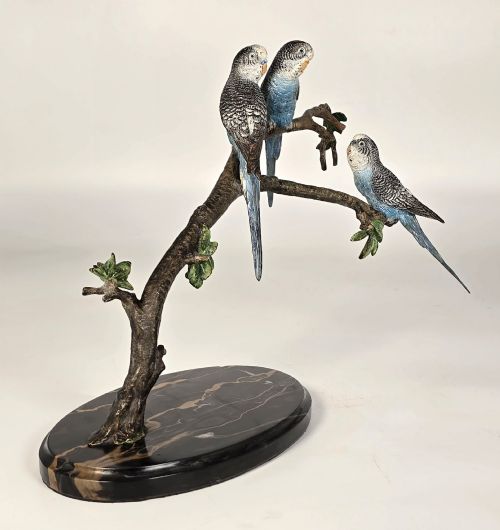
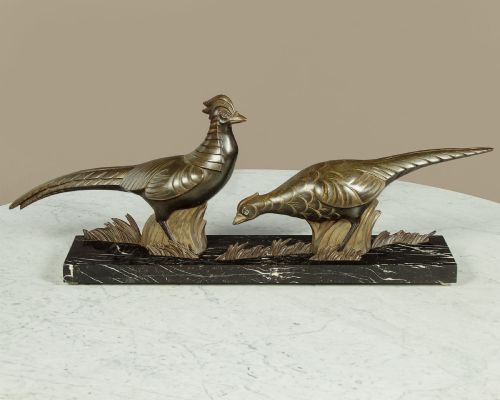
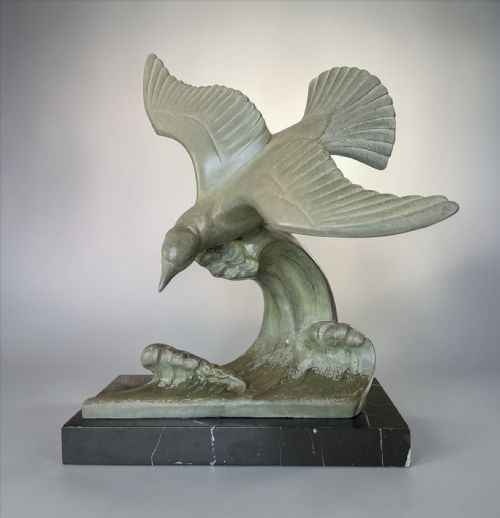
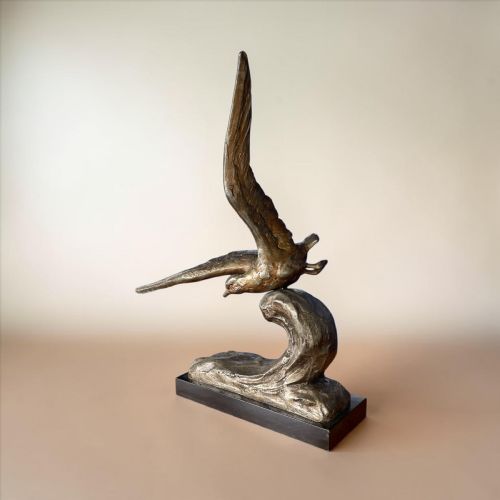
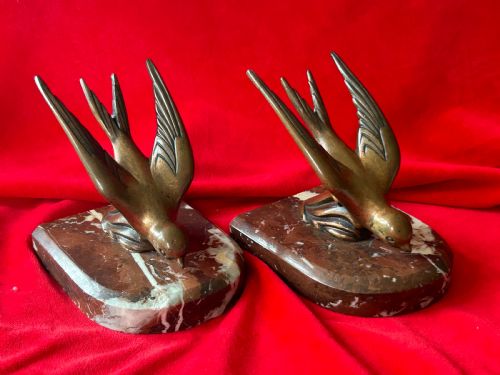
A deco bird ornament represents avian forms through the stylised lens of the Art Deco period, typically taking the shape of sculptures, bookends and paperweights. These pieces depict subjects ranging from seagulls and albatrosses to pheasants, pigeons and budgerigars perched on branches or mounted on plinths.
The versions most commonly met on this page date from nineteen-twenty to nineteen-thirty and originate from French and Spanish workshops. They translate natural plumage and flight into sharp, geometric contours suited to inter-war interiors.
How they were made
Foundries cast these figures in bronze, nickel bronze and patinated metal, frequently mounting them on black marble bases to ground the dynamic poses. Cold painting and gilding applied colour and surface texture directly to the metal.
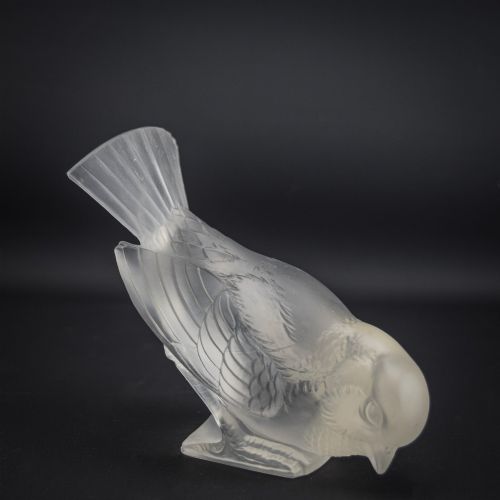
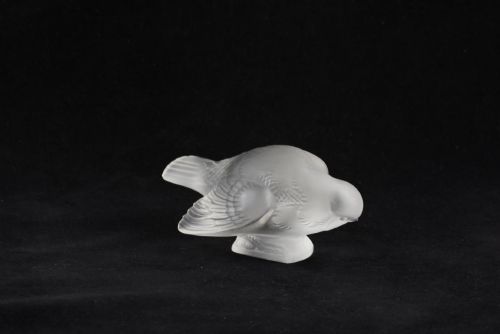
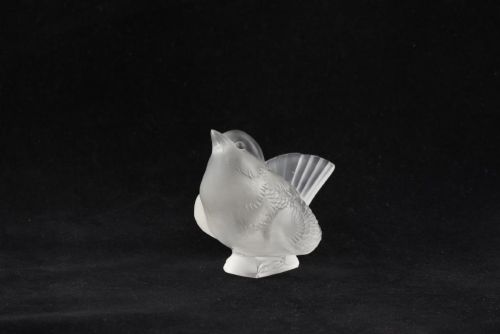
Glassmakers utilised moulded frosted crystal to shape delicate paperweights like sparrows and finches. These glass pieces rely on the interplay of transparent and satin surfaces to define the bird's form.
Deco Bird Ornament Retail Price Guide 2026
Typical asking prices for deco bird ornament among the pieces listed under this phrase on Sellingantiques today, from the lower quarter to the upper quarter. They describe what is for sale here now, not the wider market.
Listings feature items exclusively from nineteen-twenty and nineteen-thirty, spanning bronze, marble, frosted glass, crystal and painted metal forms.
What varies in quality
Quality rests in the precision of the casting and the fidelity of the bird's posture, separating dynamic, anatomically convincing sculptures from rigid, mass-produced figures. The choice of base material and the crispness of the chasing on feathers reveal the hand of a skilled artisan.
For glass items, clarity of the mould and sharpness of the frosted detail dictate the piece's standing. Superior examples maintain balance between polished highlights and matte textures without obscuring the natural lines of the subject.
Frederique Cederlund Ozanne·Rene Lalique·Le Manceau·P Marec
The Deco Bird Ornament Glossary
- Art Deco
- A design style dominant in the nineteen-twenties and thirties characterised by sleek lines, geometric shapes and stylised natural motifs. It superseded organic art nouveau forms with industrial modernity.
- Cold painted
- A method where paint is applied to metal objects without subsequent kiln firing. This technique allowed makers to introduce vibrant plumage colours to bronze and metal sculptures.
- Patinated metal
- Metal treated with chemicals or heat to produce a specific surface colour or aged finish. It protects the underlying material while enhancing visual depth.
- Frosted glass
- Glass treated with acid or sandblasting to create a matte, translucent surface. It diffuses light gently across moulded details.
- Nickel bronze
- An alloy of copper, nickel and zinc offering a silvery appearance and resistance to corrosion. It was favoured for its bright, modern finish during the inter-war period.
Deco Bird Ornament: Frequently Asked Questions
What materials were used for these ornaments?
Makers utilised bronze, nickel bronze, frosted glass, crystal and paint, frequently combining them with black marble plinths. These media allowed artists to capture both heavy, grounded forms and delicate, translucent subjects.
Metal sculptures often received patination or cold painting to render realistic plumage, while glass versions relied on texture and light refraction.
How do I identify a nineteen-thirties piece?
Nineteen-thirties pieces typically display the streamlined geometry and aerodynamic styling characteristic of late Art Deco design. Subjects like albatrosses in flight or stylised pheasants reflect the era's fascination with speed and modernism.
Signatures, foundry marks and the presence of materials like black marble help anchor the work to this specific decade.
Were these figures used as bookends?
Many heavier bronze and marble bird sculptures served a dual purpose as functional bookends on library shelves. Their substantial plinths provided the weight necessary to support rows of volumes.
Smaller castings and glass pieces functioned strictly as decorative sculptures or desk paperweights.
How should I clean frosted glass paperweights?
Clean frosted glass gently with a soft, lint-free cloth and lukewarm water to remove dust from the textured surfaces. Avoid harsh chemical cleaners that can strip delicate patination or damage the matte finish.
Handle the piece securely, as nineteen-thirties crystal can be vulnerable to impact against hard surfaces.