

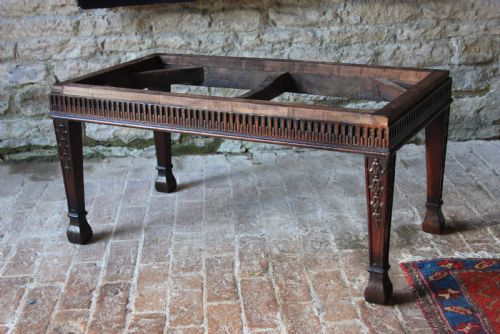
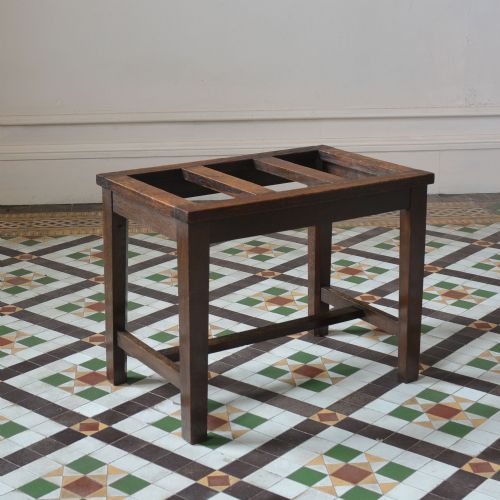
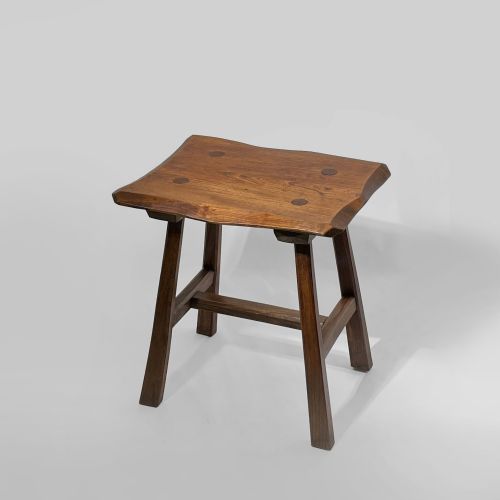
Dark Wood Wooden Bench
A dark wood wooden bench brings solid timber and centuries of craft into a hall or room, offering a seat built to endure.
Dark Wood Wooden Bench
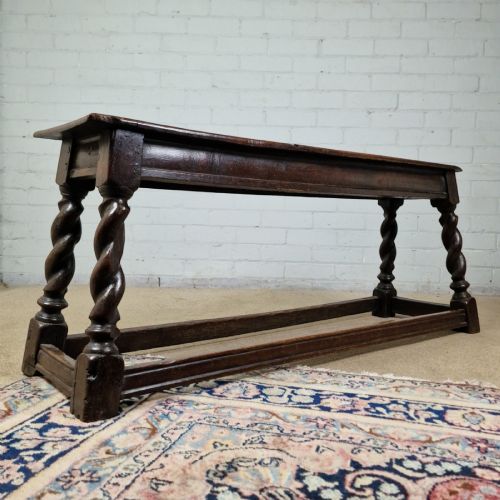
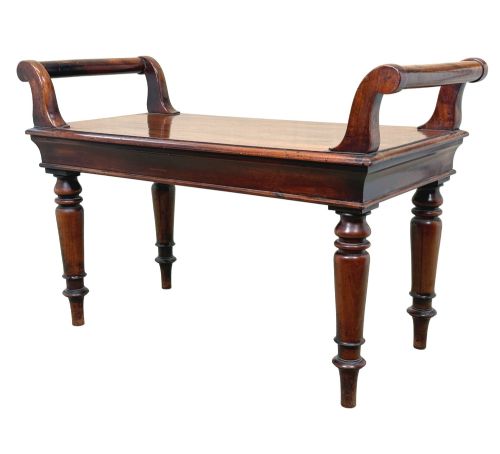
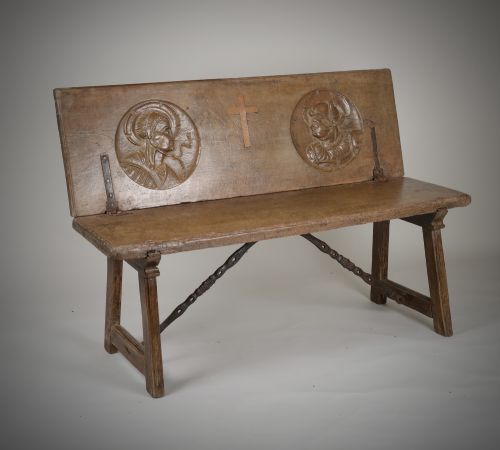
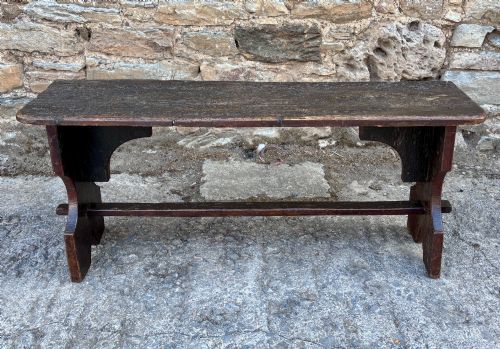
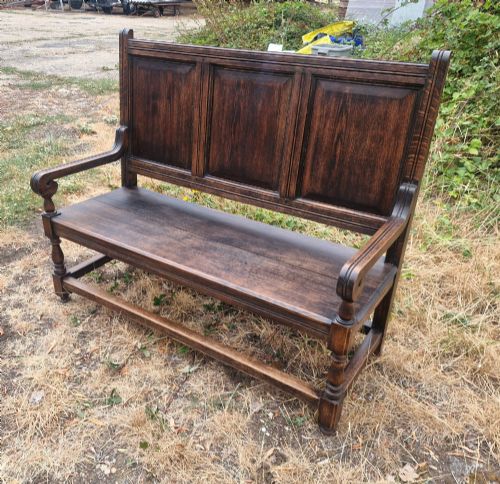
When you search for a dark wood wooden bench, you encounter seating fashioned from substantial timber, spanning centuries of domestic and vernacular design. These pieces include hall benches, settles with high backs or storage boxes, window seats, and monks benches that convert from tables.
The versions most common on this page date from the nineteenth and early twentieth centuries, drawing on earlier Jacobean, Georgian, and Victorian traditions. Makers built them in oak, mahogany, elm, and diverse hardwoods for daily utility in hallways, bedrooms, and living spaces.
How they were made
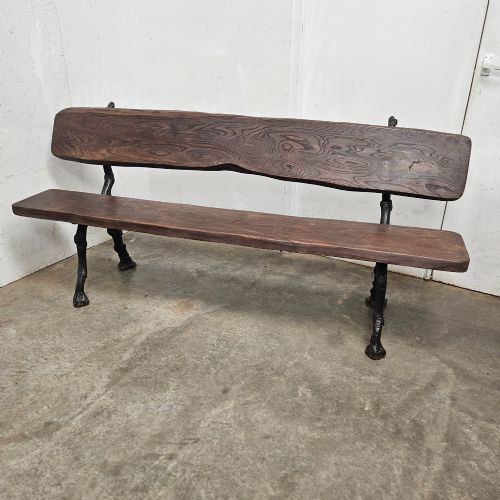
Cabinet makers and vernacular joiners shaped these benches using dense timbers such as oak, mahogany, elm, and regional hardwoods, often supplemented by iron hardware or wrought iron framing. Construction relied on traditional joinery methods, including pegged mortise and tenon joints for structural rigidity.
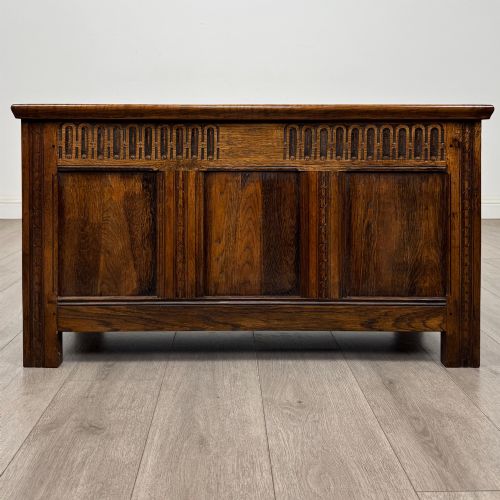
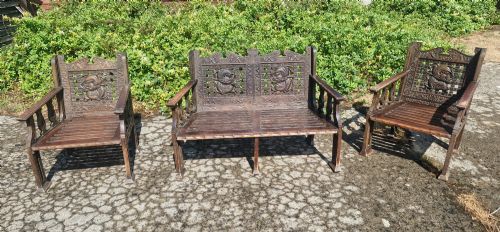
Surfaces received hand-carved ornamentation, linenfold or plain panelling, and polished finishes that brought out the grain of the wood. Some examples feature inlaid pearl, cane seating panels, or turned legs in the style of specific revivals.
Listings feature oak, mahogany, elm, and hardwood across periods ranging from the 17th century through the Edwardian era.
What varies in quality
The standard of a dark wood wooden bench depends on the integrity of its timber, the depth of hand-carved detail, and the retention of original joinery without later major replacements. Heavier timber frames with tight, uncompromised joints indicate superior craftsmanship.
Proportion and decorative ambition also divide utilitarian pieces from high-style workshop productions, such as those by known cabinet makers featuring sophisticated box seating or specialised inlays.
James Shoolbred & Co·Thonet
The Dark Wood Wooden Bench Glossary
- Monks bench
- A dual-purpose piece of furniture with a hinged back that folds down to form a table over a box seat. This form dates back centuries and served multiple domestic functions in smaller rooms.
- Settle
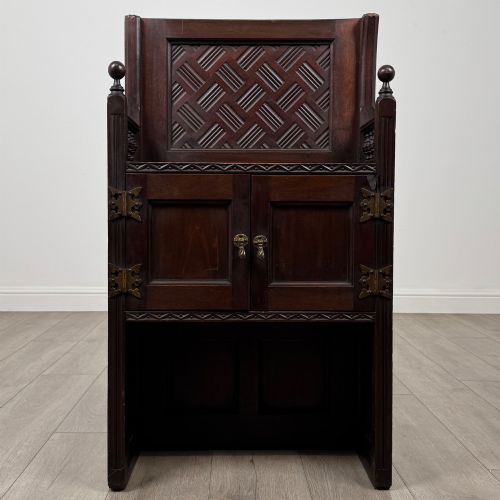
- A wooden bench with a high back, solid arms, and often an enclosed box base to block drafts. Early examples used heavy oak panels for domestic warmth and structural strength.
- Window seat
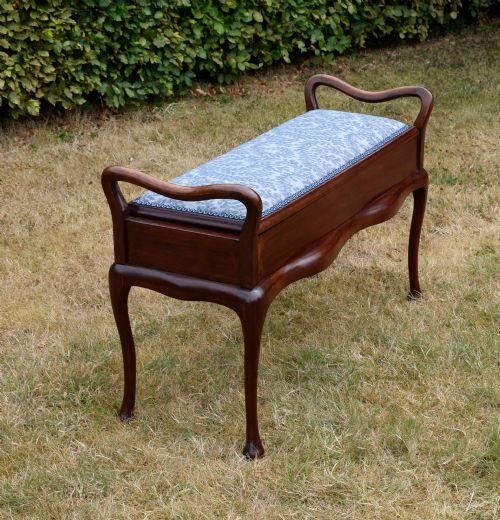
- A long, narrow bench designed to fit into a bay or recess beneath a window. These often feature upholstered tops or carved mahogany frames matching period drawing-room furniture.
- Luggage stand
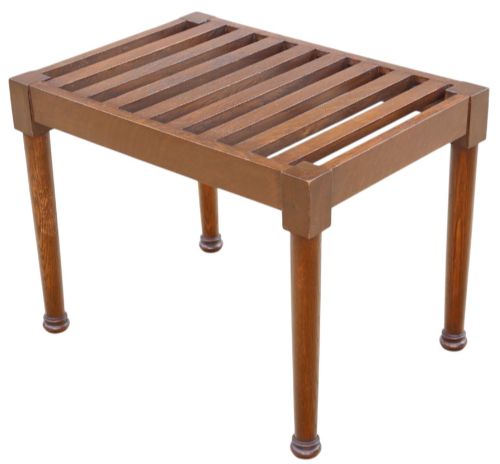
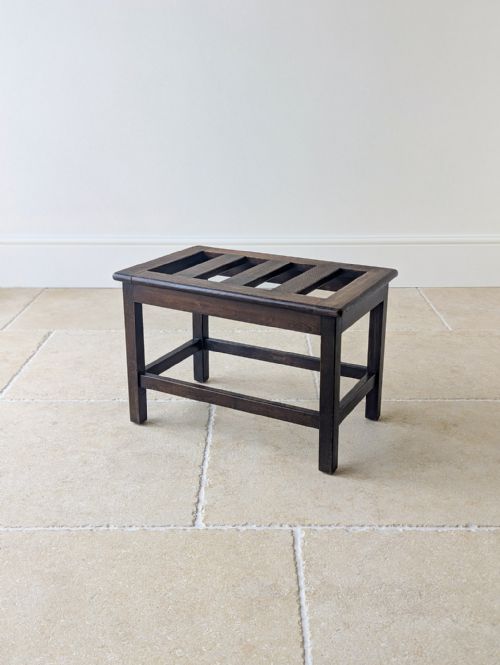
- A low wooden frame with webbing or slats used in bedrooms for holding trunks and cases. They share construction techniques with small benches and stools of the period.
- Box settle
- A variant of the settle featuring a storage compartment beneath the seat boards. The lid lifts to store blankets or household goods.
- Vernacular
- Furniture made by local craftsmen following regional traditions rather than metropolitan fashion. These pieces utilise readily available timbers such as elm and oak.
Dark Wood Wooden Bench: Frequently Asked Questions
What is a monks bench used for?
A monks bench serves as both a seat and a table through a pivoting or folding back mechanism. When upright, it provides a high-backed seat for a hallway; when lowered flat over the base, it forms a table surface.
This dual function made it practical in historic homes where floor space was limited. The box beneath the seat also provided concealed storage for household items.
How do I date an oak hall bench?
Dating an oak hall bench involves examining the construction methods, tool marks, and style of the panelling or carving. Hand-sawn boards, pegged joints, and vernacular wear patterns often point to earlier centuries, whereas machine-cut timber suggests later revival periods.
Hardware such as hinges and nails also offers clues, though many pieces combined older styles with contemporary fittings during Victorian and Edwardian revival movements.
Where should I place a window seat?
A window seat fits naturally beneath a low window, in a hallway, or at the foot of a bed. These narrow benches provide convenient seating without obstructing walkways or blocking natural light.
In living areas, they offer a compact resting place, while bedroom placement allows for easy seating when dressing or handling luggage stands and racks.