
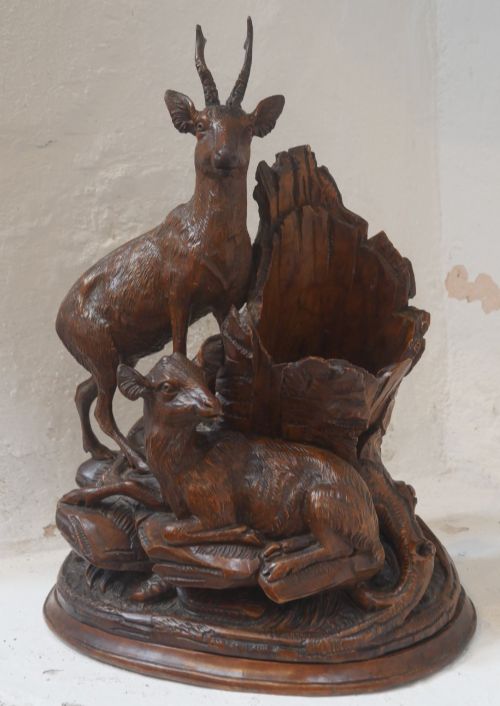
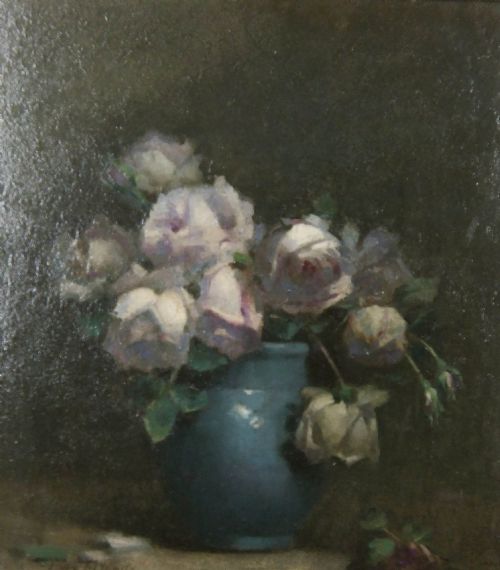
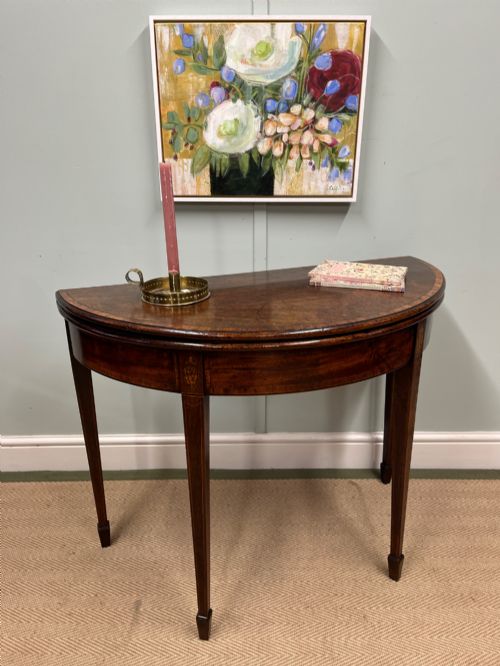
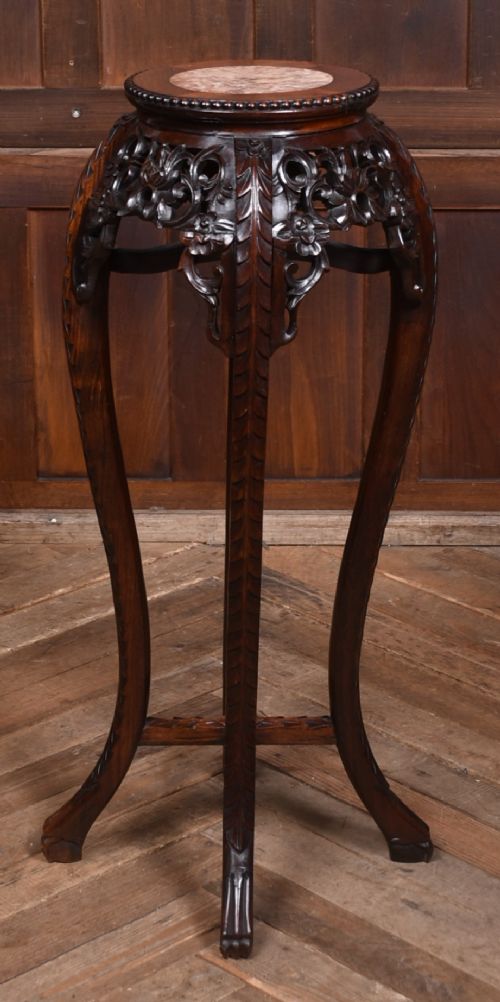





Dark Wood Vase
These dark wood vase items comprise turned timber vessels and carved hardwood stands from the eighteenth to twentieth centuries.
Dark Wood Vase
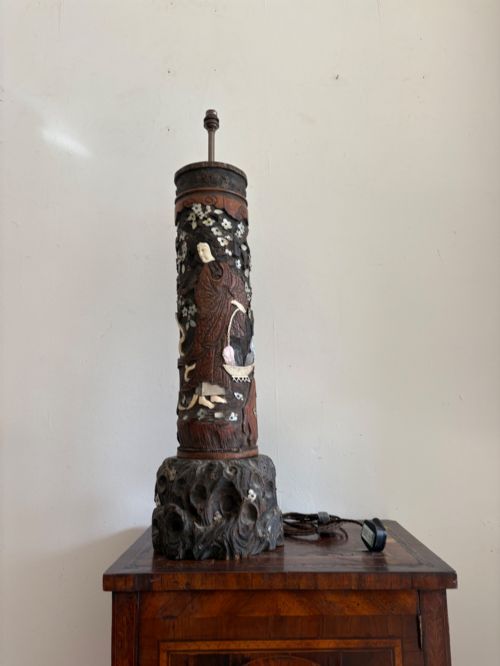
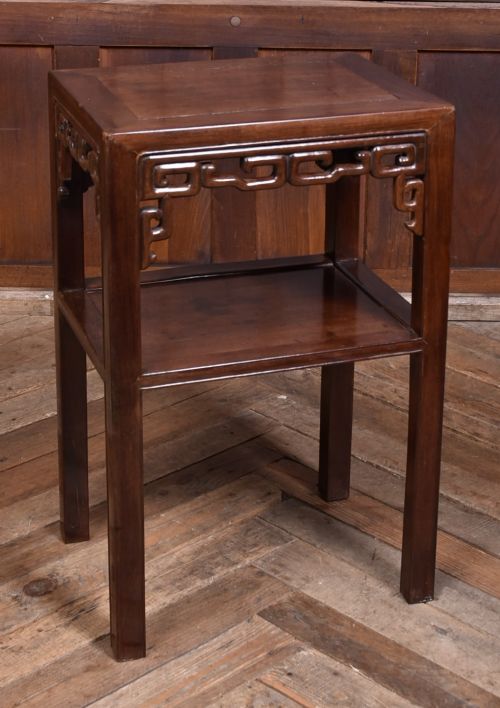
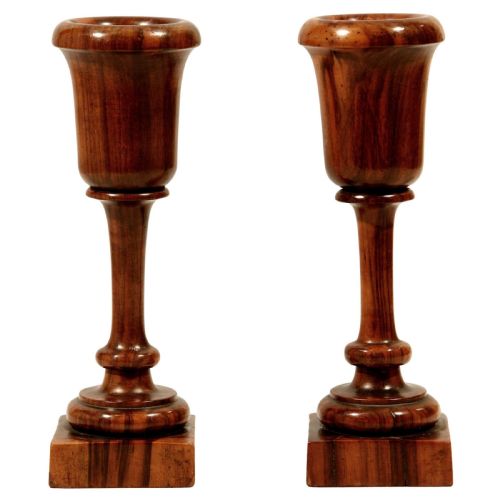
A dark wood vase search brings together functional turned timber vessels and carved wooden furniture designed to elevate displays. The pieces most commonly met on this page include Chinese hardwood plant and vase stands alongside turned spill vases and treen urns.
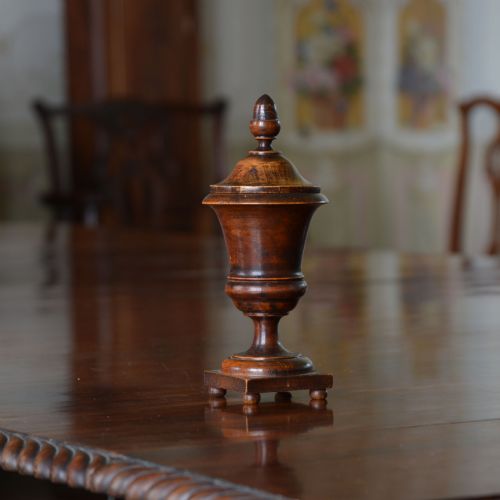
Makers and workshops from nineteenth century periods created these items using dense timbers such as mahogany, fruitwood, and lignum vitae. Alongside taller pedestal tables, smaller spill vases and campana urns provide compact examples of turned timber craftsmanship.
Materials and construction methods
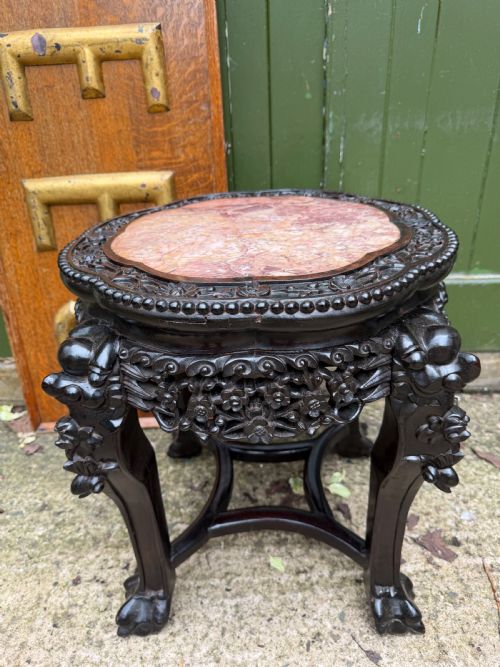
Artisans utilised dense hardwoods including mahogany, fruitwood, and lignum vitae to turn vessels on a lathe or carve intricate stands. Many nineteenth century Chinese examples incorporate inset variegated rouge marble tops within carved hardwood frames.
Cabinetmakers employed traditional joinery and turning techniques to shape timber into campana urns, spill vases, and low jardiniere stands. The natural grain of the wood often remains visible beneath polished finishes.
Listings span the eighteenth to twentieth centuries, featuring turned mahogany, fruitwood, and carved Chinese hardwood.
Distinguishing quality across examples
The degree of crispness in carved ornamentation and the density of the chosen timber dictate the standing of each piece. Superior examples display precise turning on urn stems and tightly fitted marble inserts within hardwood frames.
Simpler turned items rely on the balanced proportions of the timber profile rather than applied decoration. Condition of the polished surface and integrity of the wood grain separate finer specimens from standard utility pieces.
The Dark Wood Vase Glossary
- Hongmu
- A dense, dark Asian hardwood frequently utilised for carved stands and furniture during the Qing dynasty. This heavy timber accepts intricate carving while retaining a deep natural lustre.
- Lignum vitae
- An extremely dense and heavy wood traditionally turned on a lathe to create durable spill vases and utilitarian vessels. Its tight grain resists splitting and takes a high polish.
- Spill vase
- A small cylindrical vessel designed to hold slender tapers of wood or paper used for lighting fires. These turned timber items date largely from the Georgian and Victorian eras.
- Jardiniere stand
- A low or tall pedestal table specifically constructed to support heavy plant pots and decorative urns. Nineteenth century examples frequently combine carved hardwood with inset marble panels.
Dark Wood Vase: Frequently Asked Questions
What is a dark wood vase?
A dark wood vase typically refers to turned wooden vessels such as spill vases and campana urns, alongside the carved stands created to display them.
These items range from compact treen pieces to substantial nineteenth century mahogany and hardwood pedestals.
How do I identify the wood type?
Examine the weight, grain pattern, and colour depth of the timber to distinguish between dense hardwoods like mahogany, fruitwood, and lignum vitae.
Asian pieces often employ dense hongmu or huali timbers which feature heavy weights and dark natural tones.
Where were these stands made?
The collection includes both British turned treen items and nineteenth century Chinese export pieces designed for display.
Chinese workshops produced intricate hardwood stands incorporating marble panels, whilst European makers focused on turned mahogany and fruitwood vessels.
How do I care for antique timber?
Keep wooden vessels and stands away from direct heat sources and sudden humidity changes to prevent the timber from splitting.
Apply a traditional wax polish occasionally to nourish the grain and maintain the surface finish without building up residue.