

Dark Wood Press
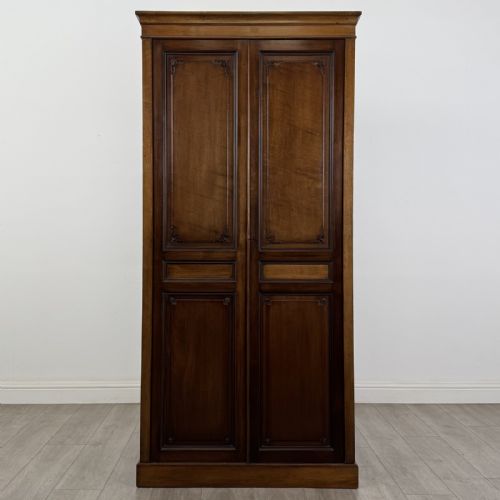
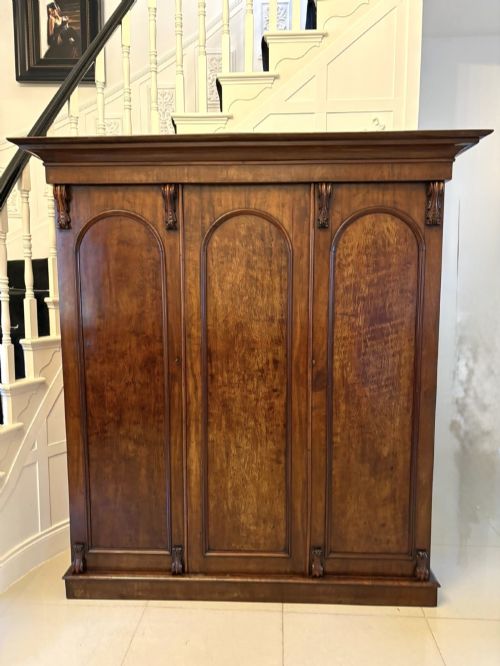
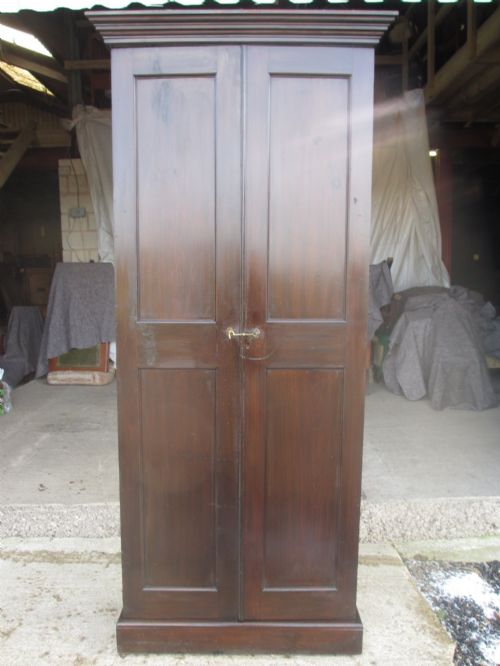
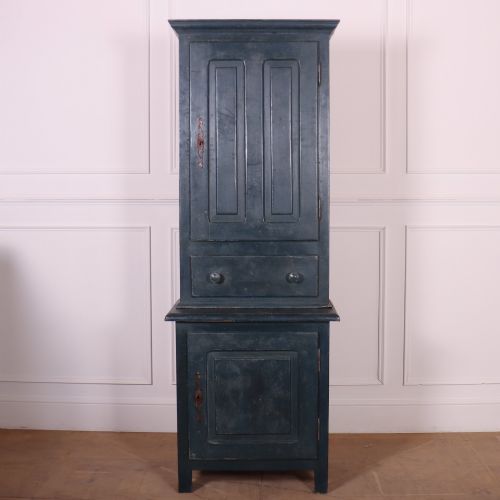
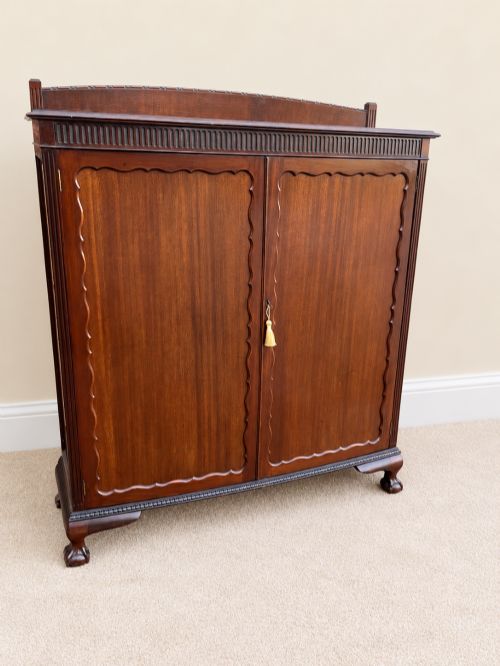
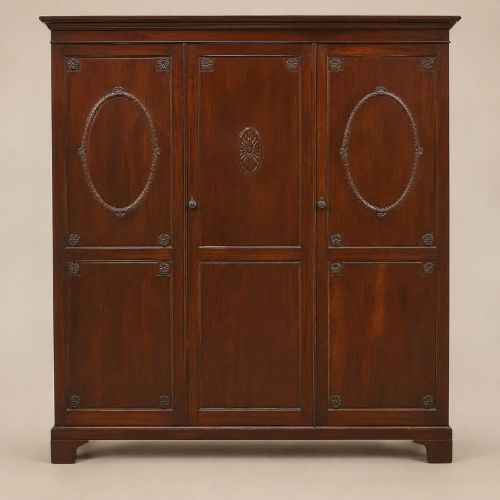
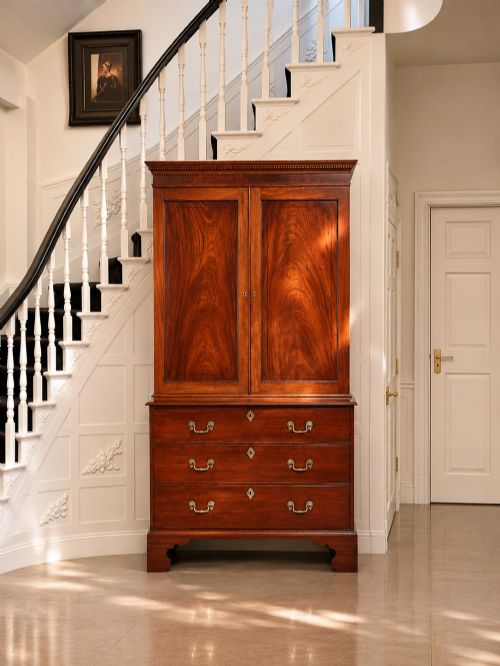
Dark wood press pieces bring monumental presence to a room, combining architectural timber with practical storage in mahogany, oak, and rosewood.
Dark Wood Press
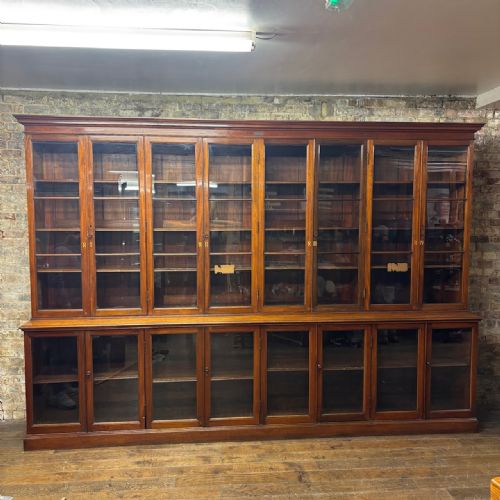
A dark wood press encompasses linen presses, wardrobe combinations, and bookpresses originating primarily across the Georgian, Regency, and Victorian periods.
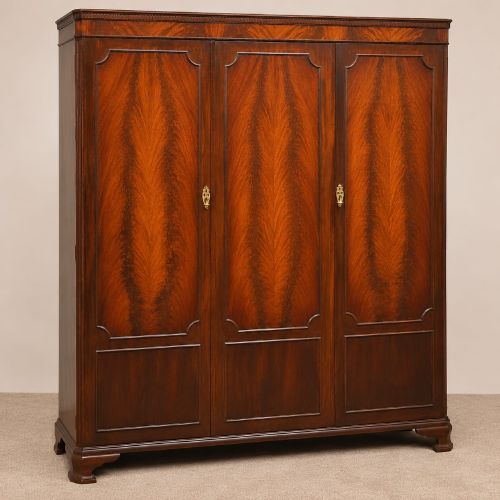
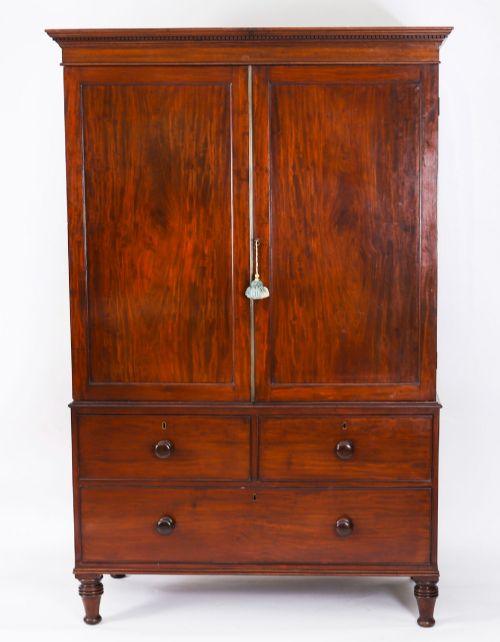
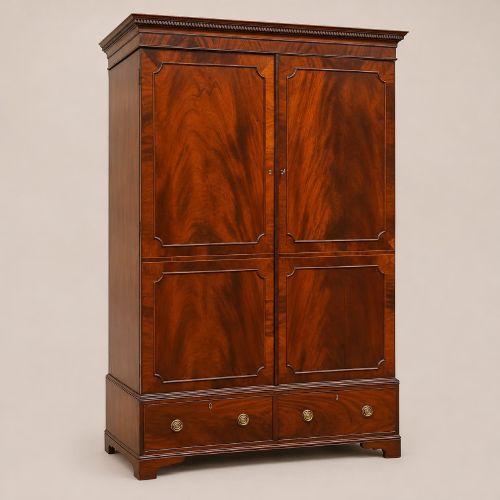
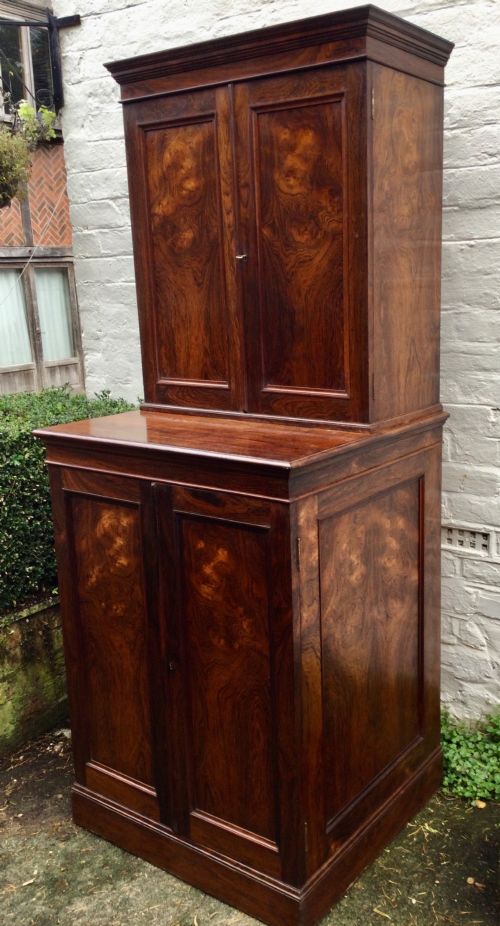
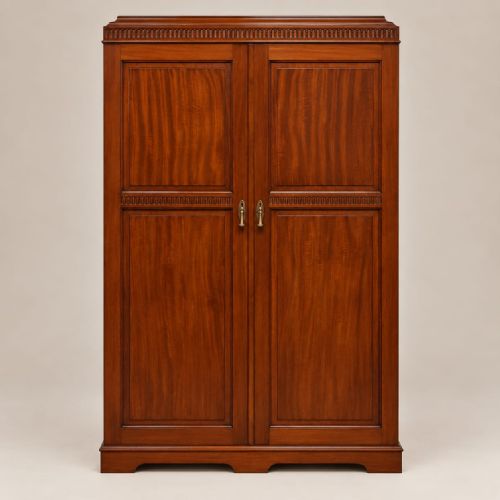
The version most commonly encountered on this page is the mahogany linen press, frequently featuring upper panelled doors above a chest of drawers base.
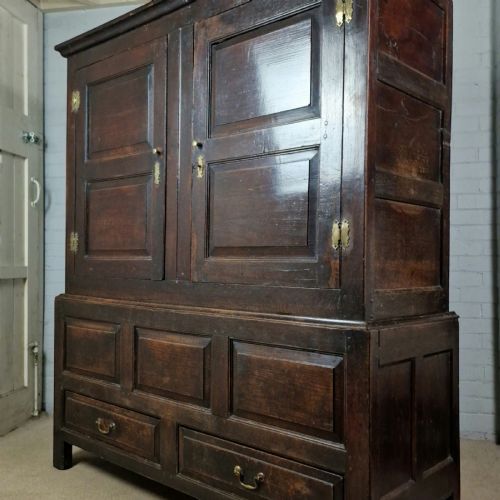
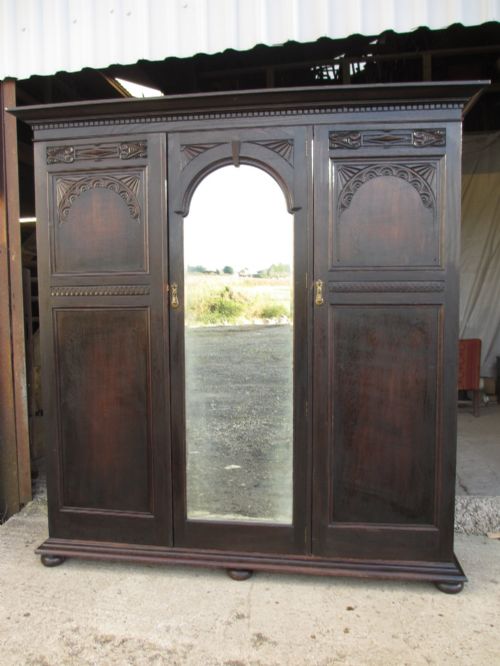
Earlier examples display sturdy oak construction from the seventeenth and eighteenth centuries, while Edwardian and later pieces offer expansive wardrobe formats in dark timber.
Construction and materials
Cabinetmakers utilised dense timbers such as mahogany, oak, and rosewood, often pairing solid structural framing with finely figured veneers.
Surface enrichment relied on techniques like crossbanding, marquetry inlay, and hand carving rather than applied decoration.
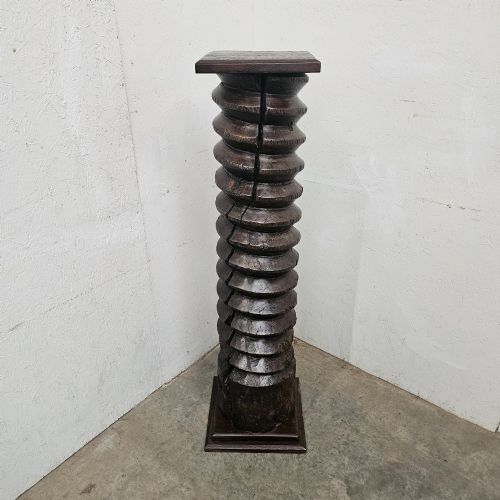
Functional hardware integrates brass handles, escutcheons, and internal screw mechanisms for book or cheese presses.
Dark Wood Press Retail Price Guide 2026
Typical asking prices for dark wood press among the pieces listed under this phrase on Sellingantiques today, from the lower quarter to the upper quarter. They describe what is for sale here now, not the wider market.
Listings feature mahogany, oak, and rosewood across Georgian, Regency, and Victorian periods.
Assessing quality in dark wood presses
Superior examples distinguish themselves through the choice of timber, notably flame mahogany or well-figured Cuban mahogany, matched across large door surfaces.
The integrity of internal sliding trays, drawer linings, and original brass fittings indicates the standard of workshop execution.
Proportion and architectural detailing, from moulded cornices to integrated bracket feet, elevate finer period pieces above utilitarian storage.
Heals·Thonet
The Dark Wood Press Glossary
- Linen press
- A large storage cabinet comprising upper doors enclosing sliding trays for folded textiles, mounted over a base section of graduated drawers. This form evolved to keep household linens flat and orderly.
- Crossbanding
- A decorative border technique where thin strips of veneer are laid across the grain of the primary wood panel. This frames drawer fronts and door panels with a contrasting grain direction.
- Compactum
- A multi-functional wardrobe offering a combination of hanging space, linen slides, and small drawers within a single carcass. It provides comprehensive clothing storage.
- Bookpress
- A mechanical device or cabinet fitted with an iron screw thread used to flatten paper, bind volumes, or press cheese. These domestic or workshop implements utilise heavy timber frames.
- Cornice
- The moulded projection sitting at the very top of a tall cabinet or press. It finishes the architectural profile of the piece against the ceiling line.
Dark Wood Press: Frequently Asked Questions
What is the difference between a linen press and a wardrobe?
A traditional linen press contains internal sliding trays behind its upper doors for storing folded garments, whereas a wardrobe is designed primarily for hanging clothes on rails.
Many period pieces blur these distinctions as interior fittings were altered over generations to suit modern clothing habits.
How do I date a dark wood press?
Dating relies on observing structural clues such as timber choice, drawer construction, and stylistic motifs like Georgian bracket feet or Edwardian marquetry.
Secondary woods inside drawers, including pine or oak, also help place the piece within the eighteenth, nineteenth, or early twentieth centuries.
Where should I place a large press in my home?
These substantial pieces require sturdy walls and adequate floor space, making them ideal anchor furniture for large bedrooms, dressing rooms, or wide hallways.
Ensure you measure ceiling height and clearance for opening doors, as cornices often add significant bulk to the upper section.
Can the internal trays be removed for hanging clothes?
Many linen presses retain their original fixed or sliding trays, which collectors prefer to keep intact for historical accuracy.
Some examples allow these trays to be taken out carefully if you need to install a hanging rail for longer garments.