

Dark Wood Portrait Artwork
Dark wood portrait artwork brings depth and historical gravity to a room through centuries of painted and printed human likenesses.
Dark Wood Portrait Artwork
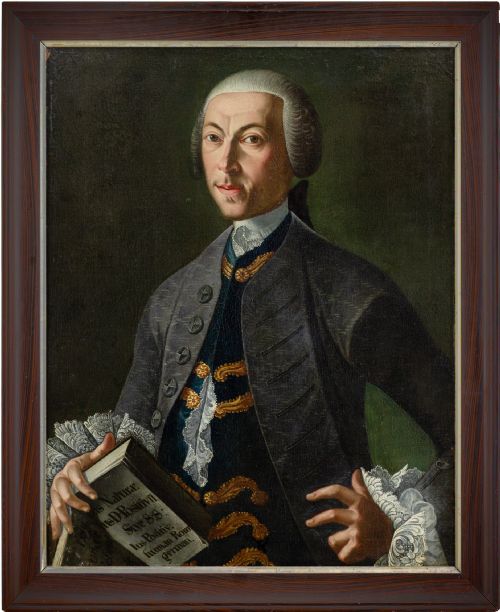
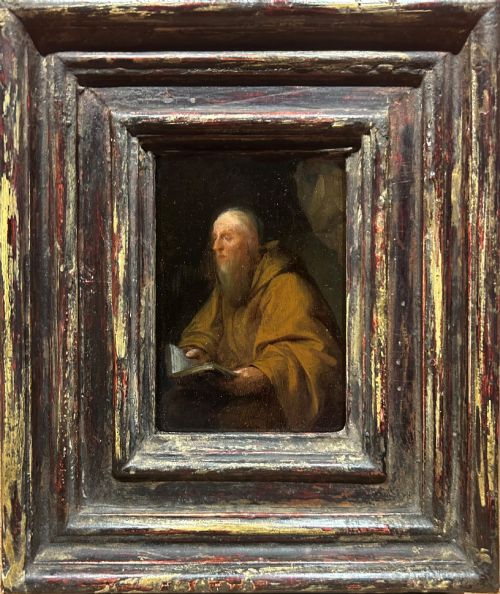
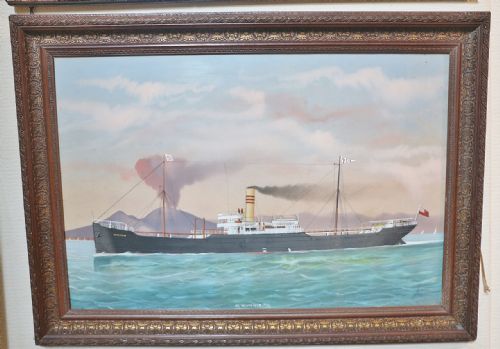
Dark wood portrait artwork encompasses oil paintings, pastels, prints, and drawings set within heavy timber frames that anchor the human image. Buyers searching this phrase look for historical character captured in both the subject and the framing material.
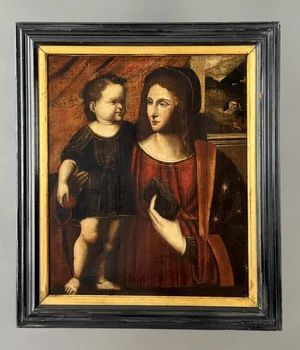
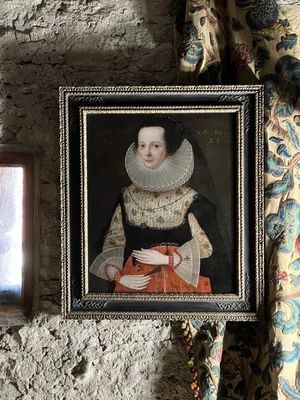
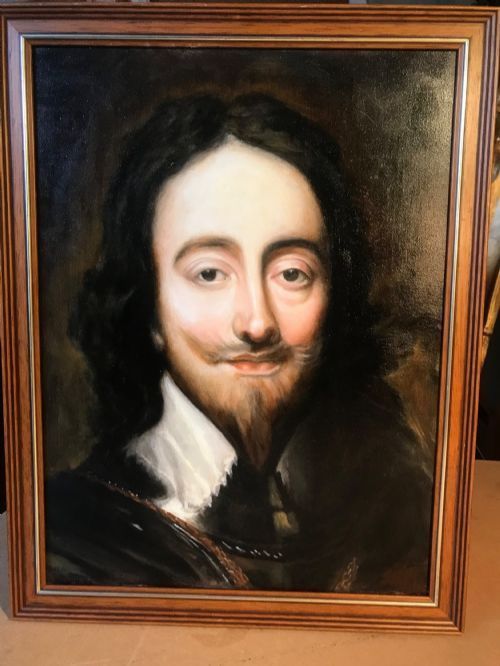
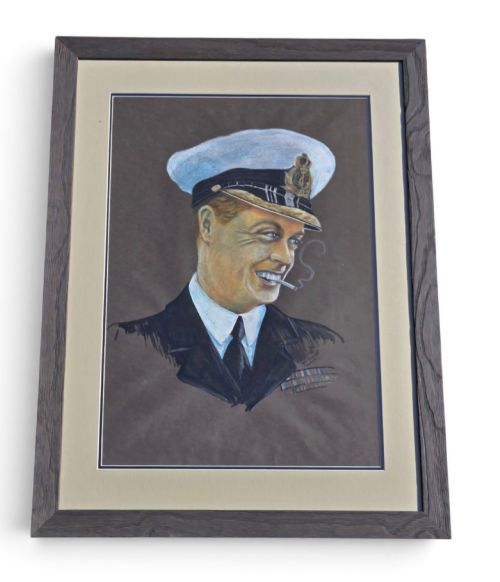
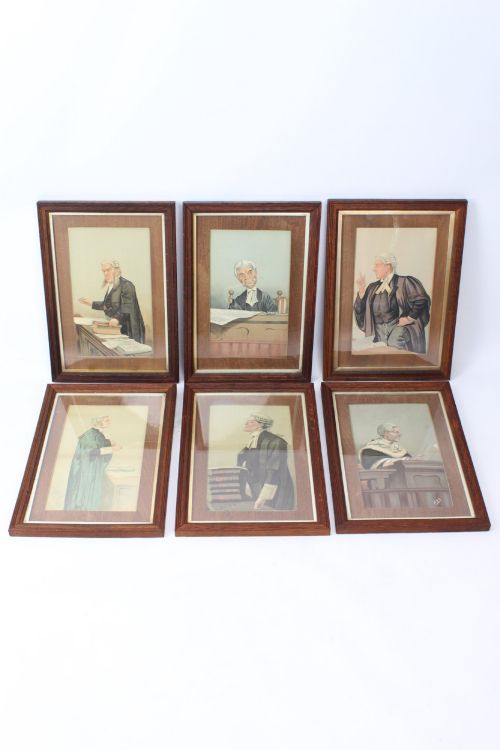
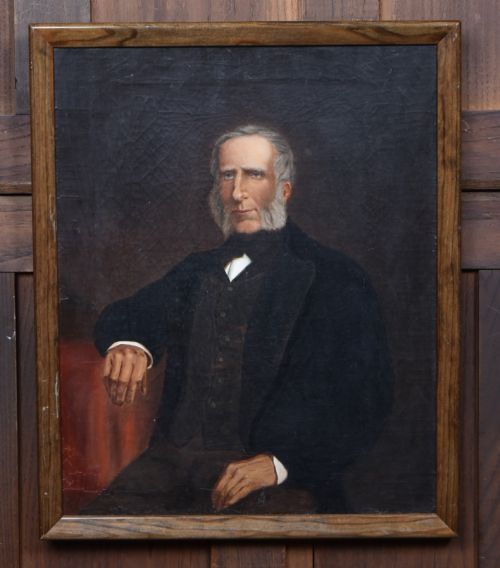
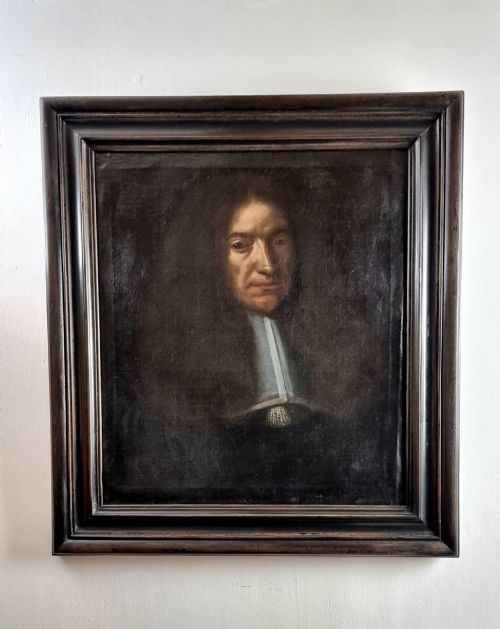
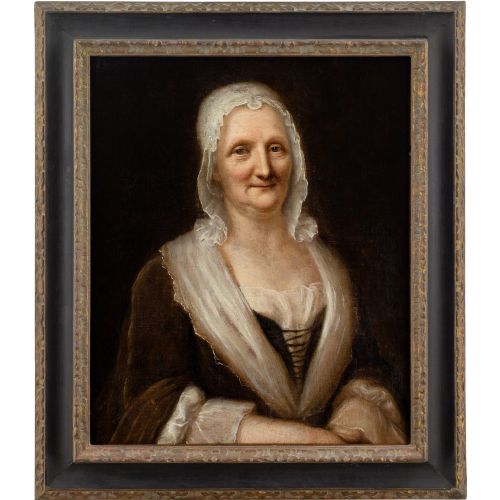
The pieces on this page span from the seventeenth century through the twentieth century, with strong representation from the Victorian and Edwardian eras. Portraits of noblewomen, gentlemen, children, and historical figures appear alongside framed prints and drawings.
Oil on canvas and wood panel works dominate the selections, accompanied by charcoal, pastel, and early engravings. These historical portrayals carry the dark, rich tones characteristic of earlier centuries of European portraiture.
Materials and construction
Artists relied on oil paint applied to canvas or wood panels, alongside charcoal, pastel, and gouache on paper. Ground pigments mixed with oil produced deep, lasting tones that darkened naturally over centuries.
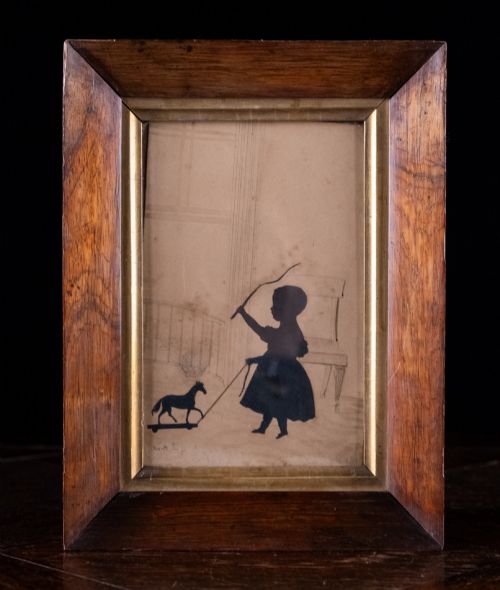
Makers housed these images in timber frames, often utilising heavy dark wood or rosewood moulding to enclose the canvas or paper securely. Gold leaf accents frequently appeared within the frame interiors to contrast with the dark timber surrounds.
A curly coated retriever keeps watch from a Victorian canvas, proving that humans rarely held a monopoly on dark wood portrait artistry.
Distinctions in craftsmanship
Quality rests in the handling of the subject's expression, the depth of the pigment layering, and the preservation of the original surface. Superior examples demonstrate confident brushwork and anatomical precision that bring the sitter to life.
The integrity of the frame matters equally, with period timber mouldings providing essential context to the artwork they enclose. Original framing that complements the age of the portrait elevates the historical coherence of the piece.
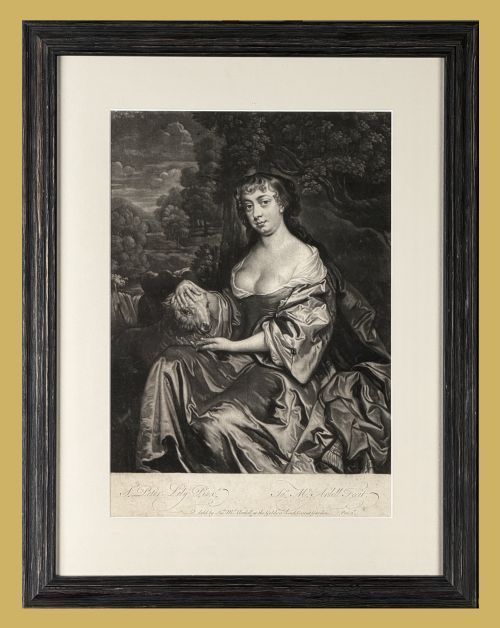
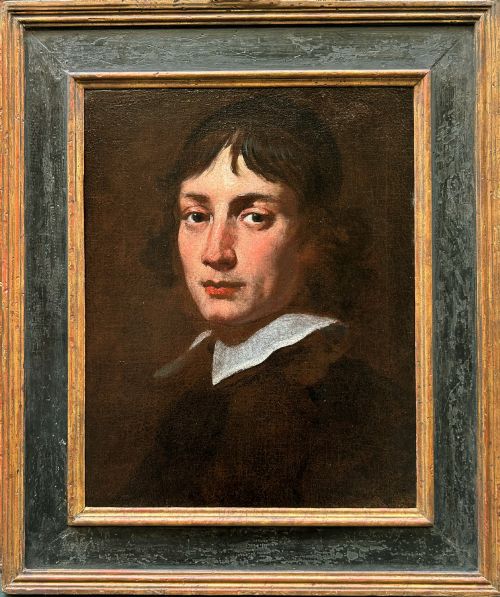
Anthony Van Dyck·Augustin Edouart·James MacArdell·Arthur Hacker
The Dark Wood Portrait Artwork Glossary
- Mezzotint
- A printmaking process of the intaglio family where the plate is roughened to produce dark tones and subtle gradations of light. This technique allowed printmakers to replicate oil paintings with remarkable fidelity.
- Oil on panel
- A painting executed on a flat wooden board rather than stretched canvas. Panels provide a rigid support that often survives centuries of environmental shift.
- Old Master
- A term for a European painter of skill who worked before about eighteen hundred. These artists established the foundational traditions of portraiture.
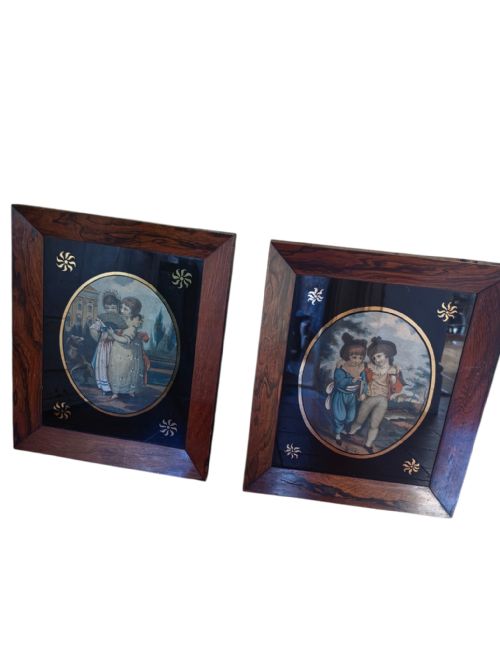
- Reverse glass print
- An image applied directly to the back of a glass sheet for viewing from the front. This technique protects the pigments from atmospheric damage.
- Engraving
- A print produced by cutting lines directly into a metal plate with a burin. The resulting lines hold ink to transfer sharp details onto paper.
Dark Wood Portrait Artwork: Frequently Asked Questions
How do I care for antique portraits?
Keep portraits away from direct sunlight and fluctuating humidity to protect the canvas, paper, and wooden frames. Gentle dusting with a dry, soft cloth is sufficient for maintenance.
Avoid using liquid cleaners or chemical agents on the painted surface or the timber moulding. Professional conservators should handle any structural repairs to the canvas or wood.
What subjects appear most frequently?
The selections feature a wide array of sitters, including nobility, children, gentlemen, and historical figures. Religious subjects and literary characters also populate these historical artworks.
Artists focused heavily on individual identity, capturing the distinct attire, lace collars, and expressions of their subjects. Each portrait records the fashion and social standing of its specific period.
How can I identify the age of a portrait?
Dating relies on the painting technique, the clothing and hairstyles of the sitter, and the materials used for the support. Canvas types and wood panel preparation methods changed significantly across the centuries.
Inscriptions, signatures, and framing styles provide additional clues regarding the year of creation. Historical records and attribution notes often clarify the origin of unsigned works.