

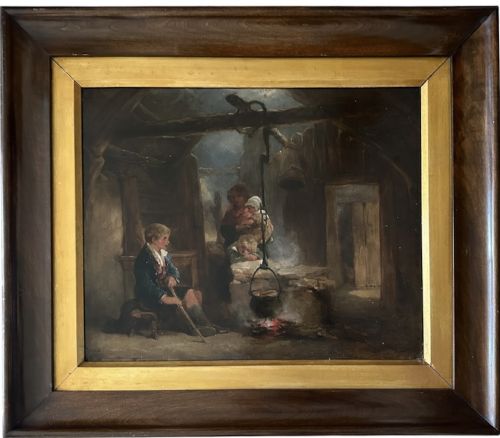


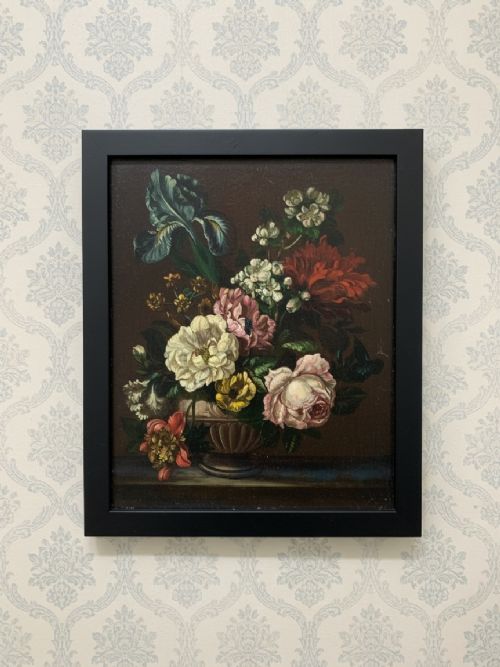
Dark Wood Oil Painting
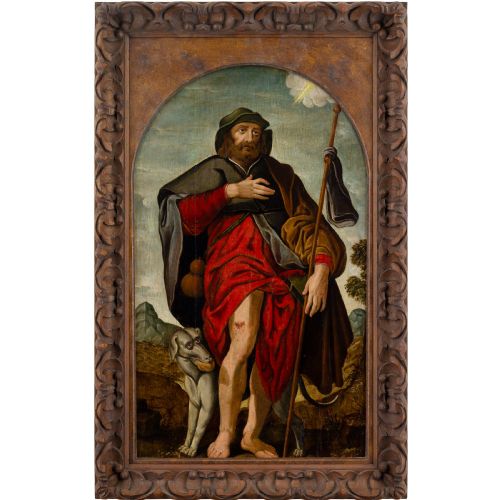
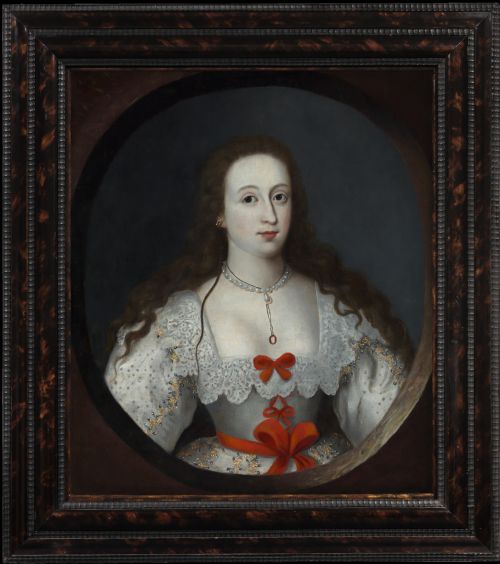
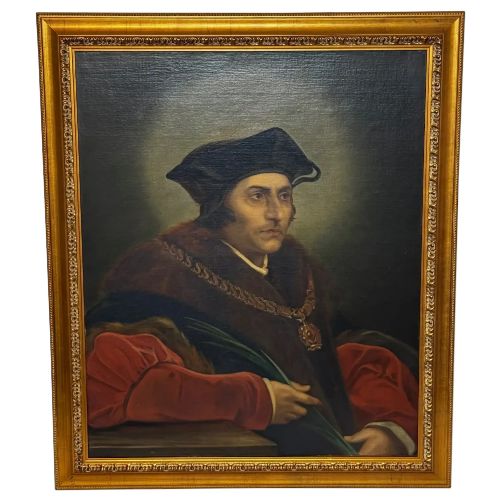
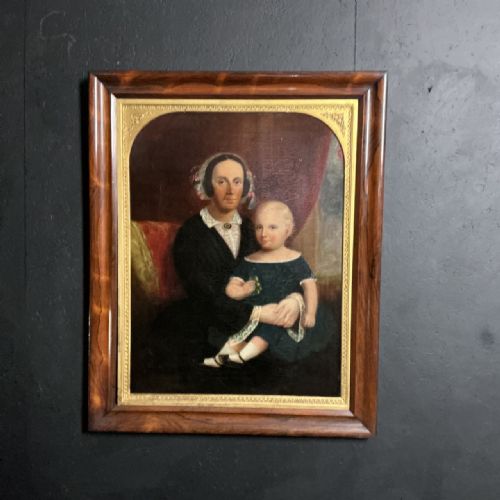
Dark wood oil painting encompasses centuries of historic portraiture and still life bounded by deep wooden frames.
Dark Wood Oil Painting
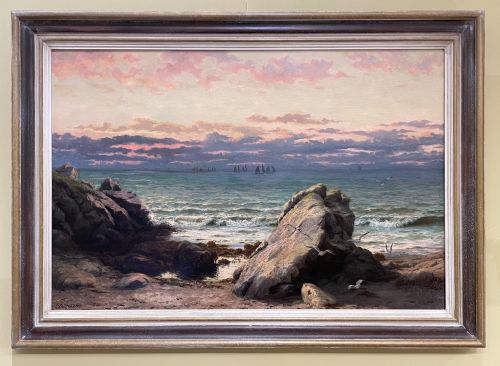
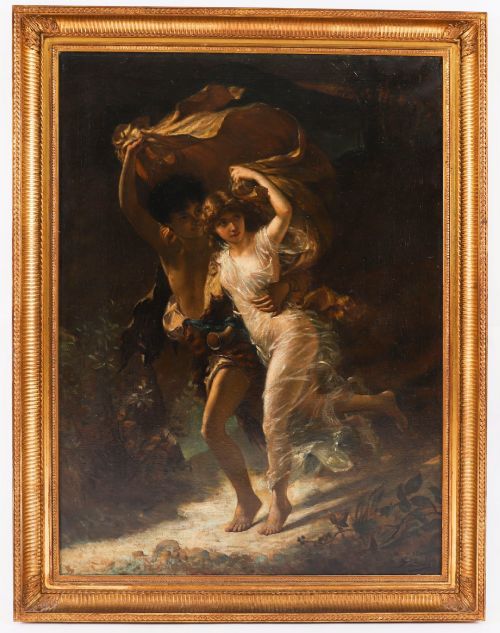
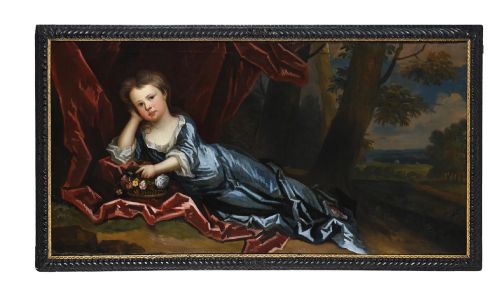
A dark wood oil painting centres on historic canvases and panels rendered in oils, traditionally encased in heavy timber or gilt wooden surrounds. These works span centuries of European school painting, capturing subjects from seventeenth-century nobility to nineteenth-century landscape scenes.
Buyers encounter numerous portraits alongside still life compositions and marine studies originating from British, Dutch, French, and Italian traditions. The physical presence of the dark wooden framing defines the visual weight of these pieces on display.
The aesthetic relies heavily on chiaroscuro lighting effects and aged patination, where centuries of varnish darken the overall palette. This category delivers authentic historic atmosphere directly to domestic interiors.
Materials and Construction
Artisans applied oil paint using ground pigments suspended in drying oils, working upon woven canvas stretched over timber frames or directly onto prepared wood panels. These substrates provided stable surfaces that supported complex layering and glazing techniques over long periods.
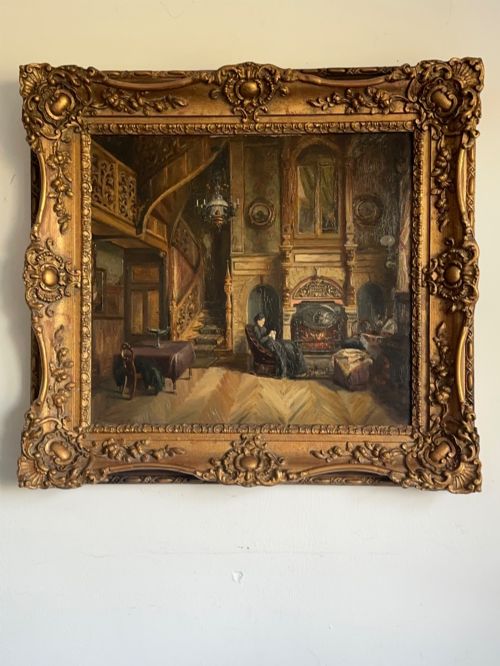
Frames and supports utilised native and imported woods, frequently ornamented with gold leaf and gilt detailing to catch ambient light against dark tones. Master practitioners built depth through successive applications of translucent paint layers.
Subsequent conservation and ageing processes altered the original chemistry, deepening the dark wood tones and causing craquelure across the paint film. The physical integration of canvas, wood panel, and heavy wooden framing remains characteristic of surviving examples.
Dark Wood Oil Painting Retail Price Guide 2026
Typical asking prices for dark wood oil painting among the pieces listed under this phrase on Sellingantiques today, from the lower quarter to the upper quarter. They describe what is for sale here now, not the wider market.
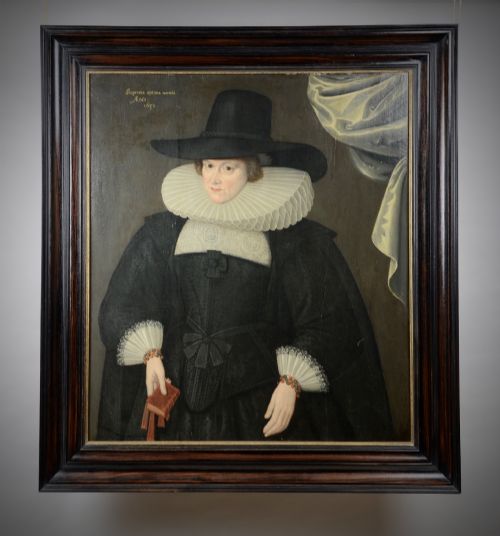
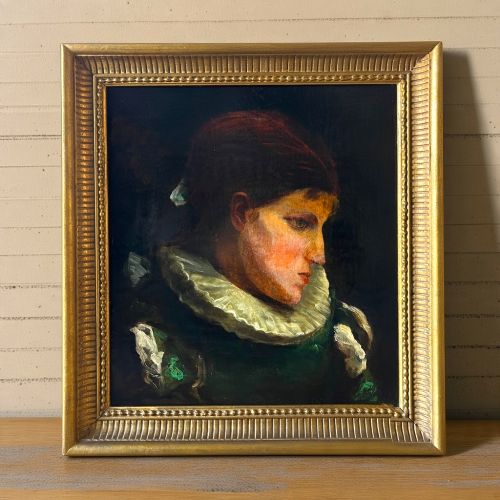
Several noble subjects wear elaborately intricate ruff collars that demand absolute stillness from the original sitter.
Distinctions in Quality
The integrity of the original wood panel or canvas support, alongside the survival of contemporary framing, influences the overall standing of an artwork. Pieces retaining their original stretchers and untouched paint surfaces hold greater historic merit.
Provenance and documented exhibition histories elevate certain examples above provincial or naive folk art productions, though charming provincial execution commands its own dedicated following.
Cornelius Johnson·Hans Holbein·George Whitton Johnstone·William Hogarth
The Dark Wood Oil Painting Glossary
- Chiaroscuro
- An artistic technique employing strong contrasts between light and dark to give a three-dimensional volume to figures and subjects.
- Craquelure
- The fine network of minute cracks appearing across the surface of old oil paintings due to the natural ageing of paint and varnish layers.
- Wood Panel
- A rigid wooden support used instead of canvas for painting, common in early European works.
- Gilt
- Covered thinly with gold leaf or gold paint, frequently seen on the decorative frames enclosing these historical paintings.
- Circle of
- A term denoting an artist working closely alongside a master, often sharing identical stylistic traits without being the master directly.
Dark Wood Oil Painting: Frequently Asked Questions
How should I hang a dark wood oil painting?
Position these works away from direct sunlight and strong heat sources to protect the canvas and wood frame from environmental stress. Ensure picture hooks are rated for the considerable combined weight of the heavy timber framing.
Allow adequate wall space so the dark tones and deep frames can absorb and reflect ambient room light effectively.
What subjects appear most frequently?
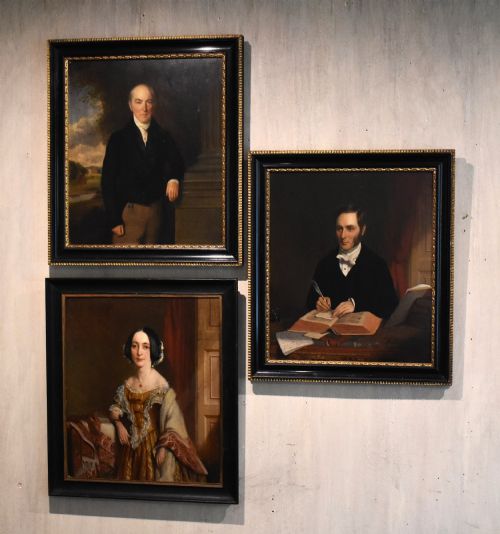
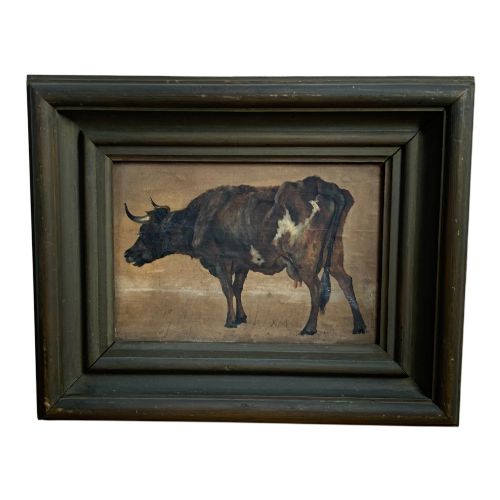
Portraits of nobility and everyday figures dominate the surviving selection, alongside marine scenes, farmyard views, and still life compositions. These subjects reflect the prevailing patronage of historic European schools.
Human subjects range from formal aristocratic commissions down to provincial naive portrayals.
How do I identify the period of the frame?
Examine the timber construction joints, corner mitres, and the composition of the applied gesso and gold leaf detailing. Hand-carved mouldings and traditional joinery indicate earlier craftsmanship.
Look for signs of age beneath the surface, including dry patination and historic fixings on the reverse of the wood.
Can I clean the surface of an old painting?
Dust gently with a soft, dry brush, avoiding any moisture, abrasive cloths, or chemical cleaning agents. The fragile aged varnish layer is easily damaged by amateur intervention.
Consult a professional conservator if the canvas requires deeper cleaning or stabilization.