



Dark Wood Library Ladder
These dark wood library ladder pieces are practical ascending steps and clever metamorphic seating designed for high shelves, offering both function and period charm.
Dark Wood Library Ladder
When you search for dark wood library ladder pieces, you encounter functional ascending structures and dual-purpose metamorphic furniture designed to reach high shelves. The examples available range from straightforward timber steps to clever chairs that unfold into staircases.
You are most likely to meet mahogany and oak versions originating from the Georgian, Victorian, and Edwardian eras. These pieces combine utilitarian engineering with domestic cabinetmaking.
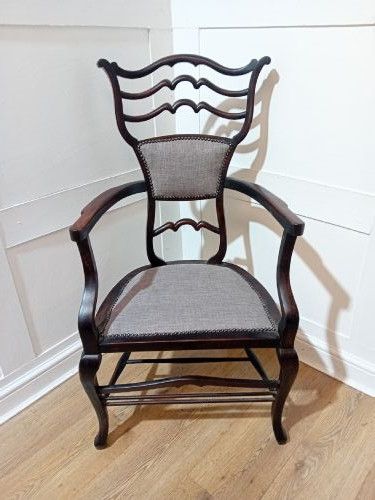
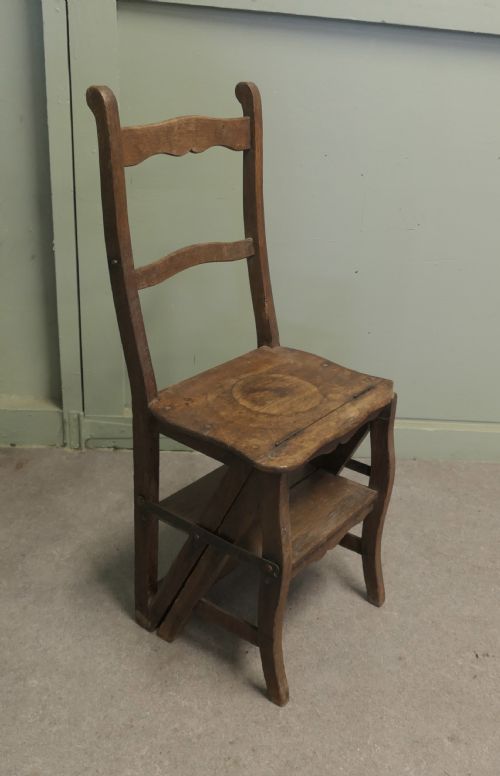
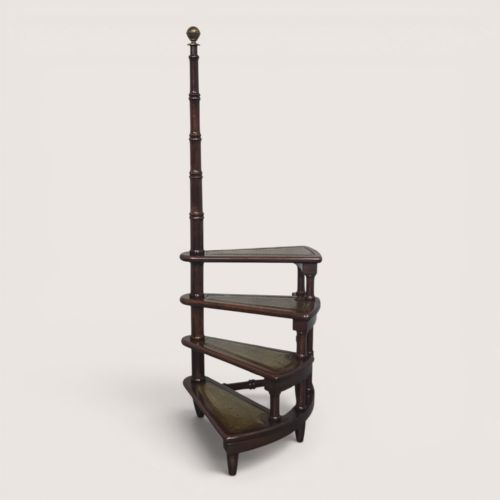
The selection includes standard standing ladders, tall loft steps, spiral designs with turned supports, and folding step chairs. Each form serves the practical need of accessing elevated book collections.
How they were made
Cabinetmakers constructed these pieces primarily from solid mahogany and oak, choosing dense hardwoods capable of supporting considerable weight. Secondary elements incorporate brass hinges, iron brackets, and turned wooden supports.
Metamorphic items utilise subtle pivoting joints and folding mechanisms that transform a chair into a set of steps without visible strain. Leather inserts and upholstery studs appear on specific seating variants to provide a finished writing or reading surface.
Dark Wood Library Ladder Retail Price Guide 2026
Typical asking prices for dark wood library ladder among the pieces listed under this phrase on Sellingantiques today, from the lower quarter to the upper quarter. They describe what is for sale here now, not the wider market.
Some chairs disguise their true climbing purpose so cleverly that guests might unexpectedly sit on a folded staircase.
What varies in quality
The distinction between ordinary and exceptional pieces lies in the precision of the mechanical joints and the selection of timber. Superior items display seamless transitions when unfolding, using robust brass hardware that operates smoothly.
Grain selection and timber figuration separate standard utilitarian workshop items from sophisticated library furnishings. Well-proportioned turning on uprights and thoughtful integration of leather treads indicate higher workshop skill.
The Dark Wood Library Ladder Glossary
- Metamorphic furniture
- An ingenious dual-purpose item that transforms from one form of furniture into another, such as a chair turning into library steps. This clever design saved space in traditional rooms.
- Library steps
- A freestanding wooden staircase built specifically for reaching high bookshelves in domestic or institutional libraries. They often feature multiple tiers and sturdy handrails.
- A-frame
- A self-supporting structural configuration shaped like the capital letter A, providing stability without leaning against a wall. This design ensures safe climbing.
- Turned supports
- Vertical wooden members shaped on a lathe to create decorative profiles and structural strength. They add visual rhythm to the framework.
Dark Wood Library Ladder: Frequently Asked Questions
What is a metamorphic library ladder?
A metamorphic library ladder is a dual-purpose piece of furniture that transforms from a chair or stool into a small staircase.
Cabinetmakers engineered these items with hidden hinges and pivoting sections to serve two functions in a private study.
How do I date an antique library ladder?
Dating relies on identifying the timber species, joinery methods, and prevailing decorative styles of periods like the Georgian or Edwardian eras.
Examining the type of brass hardware and wear patterns also helps establish the age of the wooden structure.
Were these ladders used in real libraries?
These steps were built for tall private rooms, country house studies, and institutional spaces where bookshelves reached the ceiling.
Owners needed reliable access to elevated volumes without damaging heavy leather-bound books.
How should I care for antique wood steps?
Maintain the timber by keeping it away from direct heat sources and applying appropriate wax polish to nourish the grain.
Check the mechanical joints periodically to ensure hinges and pivoting points remain stable during use.