



Dark Wood Cross
A dark wood cross brings solemn focus and deep craftsmanship into a room, spanning centuries of sacred and decorative woodwork.
Dark Wood Cross
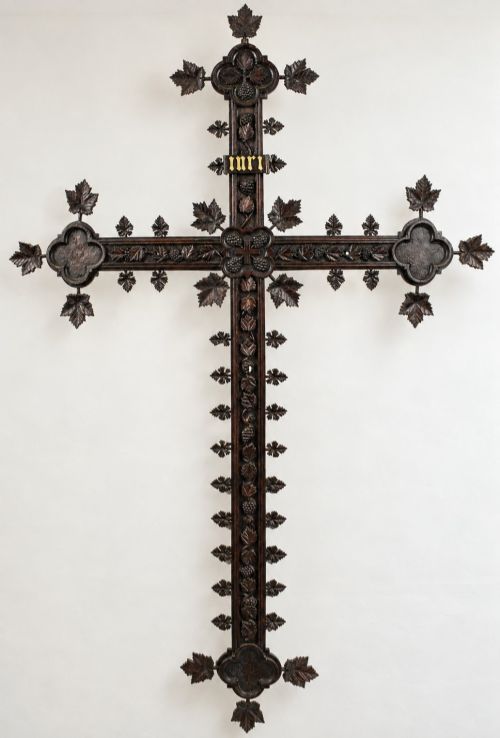
A dark wood cross encompasses devotional objects and sculptural pieces shaped by centuries of religious and artistic tradition. When you search for a dark wood cross, you encounter examples ranging from sixteenth-century carvings to nineteenth-century altars.
Makers utilised dense timbers like mahogany and box wood, often pairing them with brass or glass details. These objects serve both as personal shrines and striking wall sculptures.
Materials and construction
Carvers shaped these pieces primarily from solid hardwoods, selecting mahogany, box wood, and hardwood variants for their rich natural tones. Artisans carved intricate details by hand, creating deep relief sculptures that depict religious scenes.
Constructive integrity relies on traditional joinery methods suited to structural timber. Metal mounts, such as brass, frequently secure the figure of Christ to the wooden base or support.
Dark Wood Cross Retail Price Guide 2026
Typical asking prices for dark wood cross among the pieces listed under this phrase on Sellingantiques today, from the lower quarter to the upper quarter. They describe what is for sale here now, not the wider market.
The inventory records Spanish Baroque and nineteenth-century revival styles applied to devotional objects.
Assessing craftsmanship
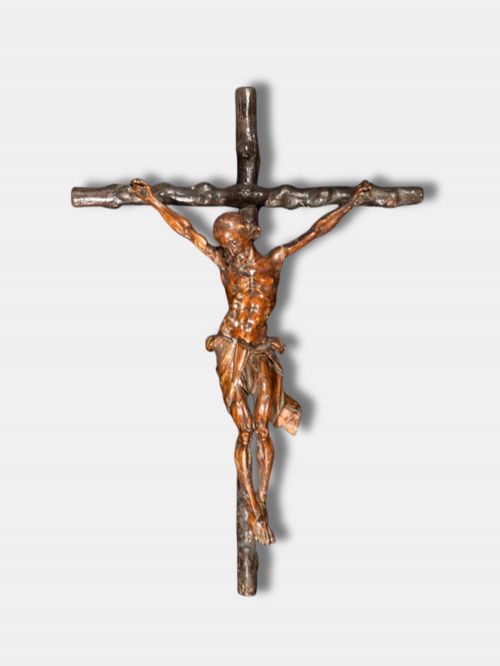
The precision of the carving distinguishes superior examples from standard workshop production. Facial expressions and drapery folds on the Corpus Christi figure demonstrate the sculptor's direct capability.
The choice of timber and the preservation of the original dark patina influence the visual depth of the object. High-grade items retain crisp lines in the carved wood without excessive surface wear.
The Dark Wood Cross Glossary
- Corpus Christi
- The physical figure of Jesus Christ mounted on a cross. This component is typically cast in metal or carved from wood to match or contrast the primary timber.
- Spanish Baroque
- An ornate artistic style prevalent in Spain during the seventeenth century. Pieces from this tradition display dramatic emotion and deep relief carving.
- Hardwood
- Dense timber derived from broad-leaved trees such as mahogany and oak. These materials provide the structural stability required for intricate wall sculptures.
- Relief Sculpture
- A sculptural technique where figures project from a flat background. This method appears frequently in depictions of religious narratives on wooden panels.
Dark Wood Cross: Frequently Asked Questions
How are these crosses mounted?
Many examples include an integrated wooden base designed to stand upright on an altar or table.
Other pieces function as wall sculptures with hanging fixtures fitted to the reverse of the timber.
What woods were commonly used?
Carvers utilised dense timbers including mahogany, box wood, and various dark hardwoods.
These materials were chosen for their durability and capacity to hold fine carved detail.
How do I date a cross?
Dating relies on stylistic markers, tool marks left by the carver, and the specific iconography of the period.
Spanish Baroque and nineteenth-century revival styles each possess distinct sculptural proportions.