


Dark Wood Cocktail Table
A dark wood cocktail table anchors a room with rich timber tones and low proportions, offering a practical surface for daily use.
Dark Wood Cocktail Table
When you search for a dark wood cocktail table, you encounter low occasional furniture designed for living spaces and entertaining. These pieces draw from periods spanning the Regency era through the early twentieth century, incorporating traditional English and continental forms.
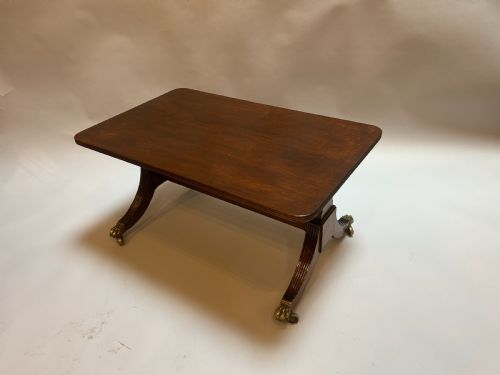
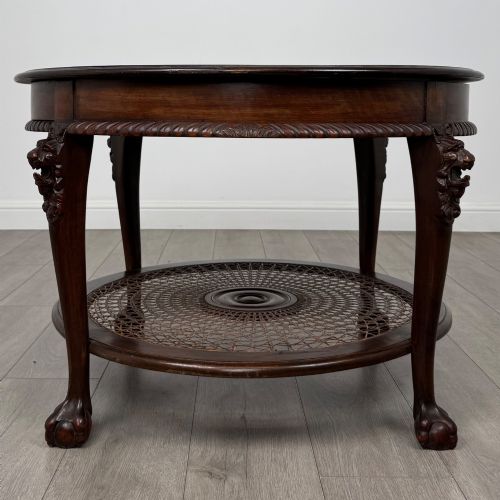
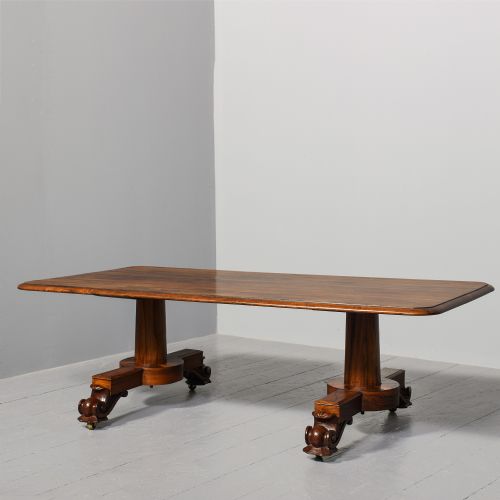
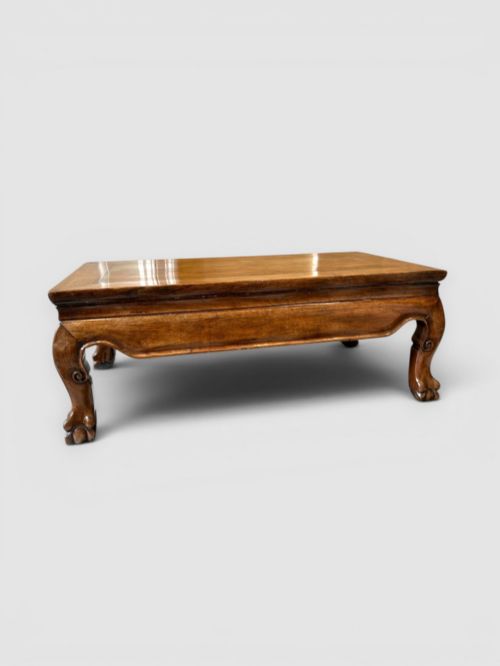
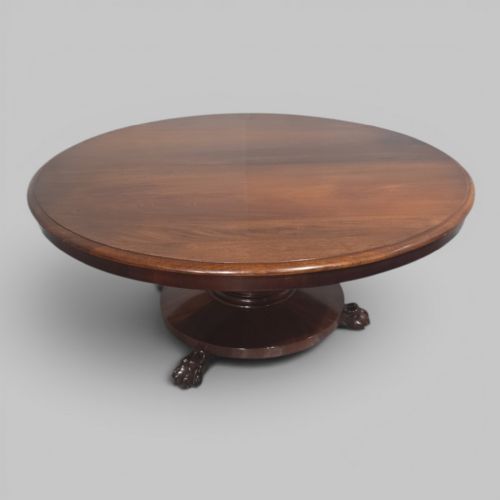
The selection on this page centres heavily on mahogany, walnut, and rosewood coffee tables, alongside occasional low tables and folding butler trays on stands. You will also find regional variations including Chinese opium tables and colonial display pieces.
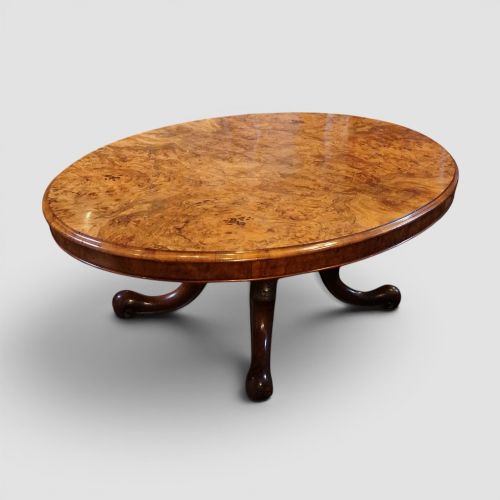
Most examples function primarily as coffee tables or low serving surfaces, while others integrate clever mechanisms such as metamorphic designs or drinks cabinet storage. The forms range from simple rustic oak boards to oval burr walnut centre tables with rich figuring.
How they were made
Cabinet makers constructed these tables using dense hardwoods such as mahogany, walnut, and rosewood, often selecting timber for prominent grain patterns. Carpenters applied brass hardware, glass panels, and specialised joinery to build sturdy frames capable of withstanding regular domestic use.
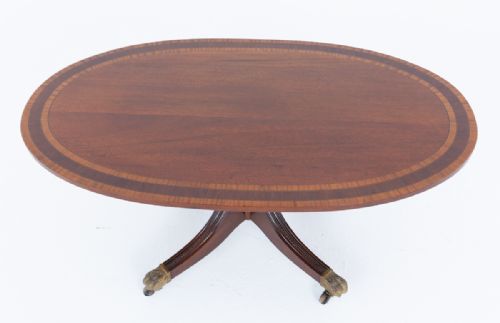
Surface treatments included hand-polished French finishes that deepened the natural colour of the dark timber. Carved details, turned legs, and inlaid borders were shaped by hand to define the distinct styling of periods like the Victorian and Edwardian eras.
Listings feature mahogany, walnut, oak, rosewood, elm, brass, and glass across periods from the Regency era to the 1930s.
What varies in quality
The distinction between standard domestic pieces and superior examples rests in the selection of timber and the execution of cabinet work. Tables featuring finely figured burr walnut, dense solid mahogany, or intricate rosewood veneers demonstrate a higher level of workshop skill.
Structural integrity and the subtlety of carved or turned ornamentation separate ordinary production from finer output. Well-executed joints, balanced proportions, and careful integration of brass fittings or folding mechanisms indicate superior craftsmanship.
The Dark Wood Cocktail Table Glossary
- Mahogany
- A durable reddish-brown tropical hardwood prized for its stability and rich grain. It served as a primary material for high-end furniture across the eighteenth and nineteenth centuries.
- Burr Walnut
- Timber taken from the warted growth of a walnut tree, yielding complex and swirling grain patterns. Cabinet makers used it for decorative veneering on table tops.
- Butler Tray
- A shallow wooden tray with hinged sides, originally designed for carrying tableware and typically mounted on a folding wooden stand. In later periods, these were adapted into fixed coffee tables.
- Metamorphic
- Describing furniture designed to transform its function, such as a table concealing a drinks compartment or lifting mechanisms. These pieces reveal hidden compartments through clever engineering.
- Regency
- A British design period spanning the early nineteenth century, characterised by classical restraint and influence from ancient Roman and Greek forms.
Dark Wood Cocktail Table: Frequently Asked Questions
How do I clean a dark wood surface?
Dust the timber regularly with a soft, dry cloth to prevent grit accumulation.
Apply a traditional beeswax polish occasionally to nourish the wood and maintain its natural sheen, avoiding modern silicone sprays.
Can I use a butler tray as a coffee table?
Butler trays on stands function very well as low tables in sitting rooms.
Their raised edges help contain items, and the folding stands offer flexibility if you need to clear floor space.
What is the difference between an opium table and a standard coffee table?
Opium tables originate from traditional Asian designs and sit exceptionally low to the floor with simple, sturdy legs.
They provide a distinct silhouette compared to standard Victorian or Edwardian occasional tables found in British homes.
How do I identify a walnut table?
Walnut displays a rich chocolate-brown colour that often lightens slightly with age, accompanied by distinctive grain patterns.
Look closely at the surface for flowing lines or swirling burr formations that indicate premium timber selection.