



Dark Wood Coal Scuttle
These dark wood coal scuttle pieces combine practical fireside storage with rich cabinet timber, bringing period warmth to the hearth.
Dark Wood Coal Scuttle
A dark wood coal scuttle serves as a practical fireside container for fuel, taking forms such as buckets, purdoniums and cabinets. These items hide messy coal and peat away while adding the rich tones of mahogany, oak and rosewood to a room.
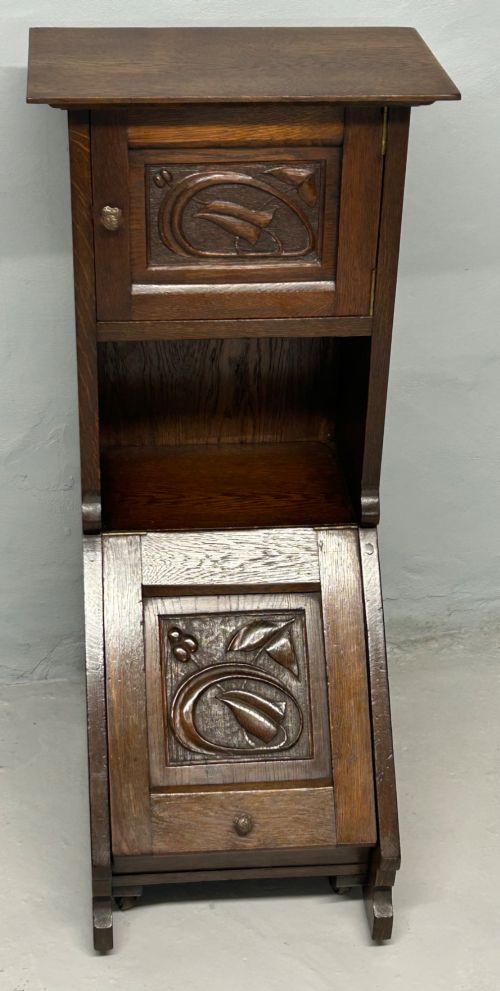
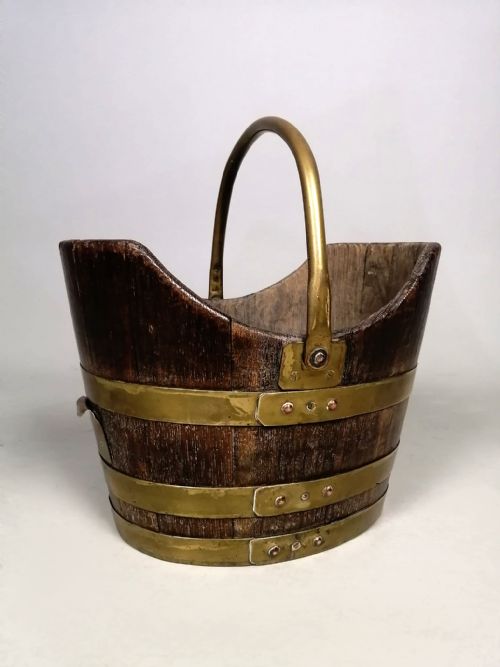
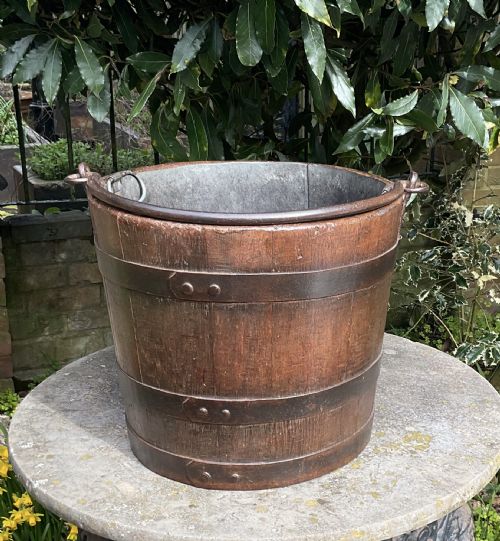
You will most commonly meet Victorian and Edwardian examples on this page, alongside earlier Georgian iterations. They appear as coopered buckets with brass bands, inlaid boxes with shovels, and fall-front cabinets.
The objects function as both utilitarian hearth equipment and refined furniture pieces. Their varied shapes reflect changing domestic habits and interior tastes across the eighteenth, nineteenth and early twentieth centuries.
How they were made
Cabinet makers constructed these pieces using dense hardwoods like mahogany, oak and rosewood, often employing cooperage techniques with wooden staves bound by brass bands. Such methods ensured the vessels could withstand the heavy weight of coal and peat.
Many examples feature decorative touches including brass mounts, marquetry inlay, carved detailing and spindle work. Internal metal or zinc liners were fitted to protect the timber from moisture and coal dust during daily use.
Dark Wood Coal Scuttle Retail Price Guide 2026
Typical asking prices for dark wood coal scuttle among the pieces listed under this phrase on Sellingantiques today, from the lower quarter to the upper quarter. They describe what is for sale here now, not the wider market.
Listings feature items spanning the Georgian, Victorian and Edwardian periods, constructed primarily from mahogany, oak and rosewood with brass and iron hardware.
What varies in quality
The distinction between standard and superior pieces rests on the choice of timber grain, the precision of the cooperage or joinery, and the refinement of decorative inlays. Finer examples display meticulous marquetry, carved relief, and substantial brass mounts rather than plain construction.
Survival of original internal metal liners, matching shovels, and untouched patination elevate an individual piece. The presence of sophisticated hardware, such as robust drop handles and well-fitted cabinet doors, marks the upper tier of craftsmanship.
The Dark Wood Coal Scuttle Glossary
- Purdonium
- A type of coal box or cabinet featuring a sloping front or drop-down door designed for easy fuel access. These often house a removable metal liner and dedicated shovel space.
- Coopered
- Made by assembling curved wooden staves bound together with metal hoops, a traditional technique shared with barrel making. This method provides robust structural strength for holding loose fuel.
- Marquetry
- The art of applying decorative veneer pieces in wood to form intricate patterns and pictures. It appears on the lids and fronts of finer Victorian and Edwardian boxes.
- Peat bucket
- A deep wooden vessel originally intended for storing dried peat sods by the hearth. They frequently display brass banding and sturdy swing handles for carrying.
- Spindle
- A turned wooden rod used as an ornamental architectural detail, often seen on the galleries or sides of late nineteenth-century fireside pieces.
Dark Wood Coal Scuttle: Frequently Asked Questions
What is a purdonium?
A purdonium is a specialised coal container, usually built as a cabinet or box with a sloping front door that drops forward to release fuel. They frequently include a metal liner and storage for a matching shovel.
Cabinet makers developed these items in the Victorian and Edwardian eras to keep coal dust contained while maintaining a polished furniture appearance by the fireplace.
Were these used for coal or peat?
They were used for both, depending on the region and the era. Deeper coopered buckets often held peat in Irish or rural British homes, while smaller boxes and purdoniums stored coal.
The terminology in period listings often reflects these regional fuel habits, though many later containers served general fireside duties regardless of their original designation.
How do I distinguish Georgian from Victorian pieces?
Georgian items, dating from the eighteenth century, tend to feature simpler, robust forms like brass-banded mahogany and oak buckets with swing handles. They rely on proportion and timber grain rather than heavy ornamentation.
Victorian and Edwardian versions introduce complex inlays, fall-front purdonium cabinets, and varied metal mounts. Their stylistic vocabulary draws on broader nineteenth-century revival movements and cabinet-making innovations.