




Dark Wood Cane Blade
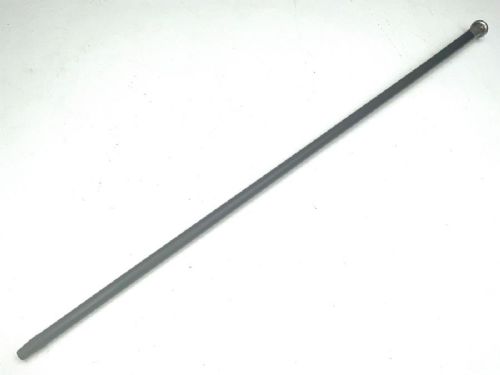
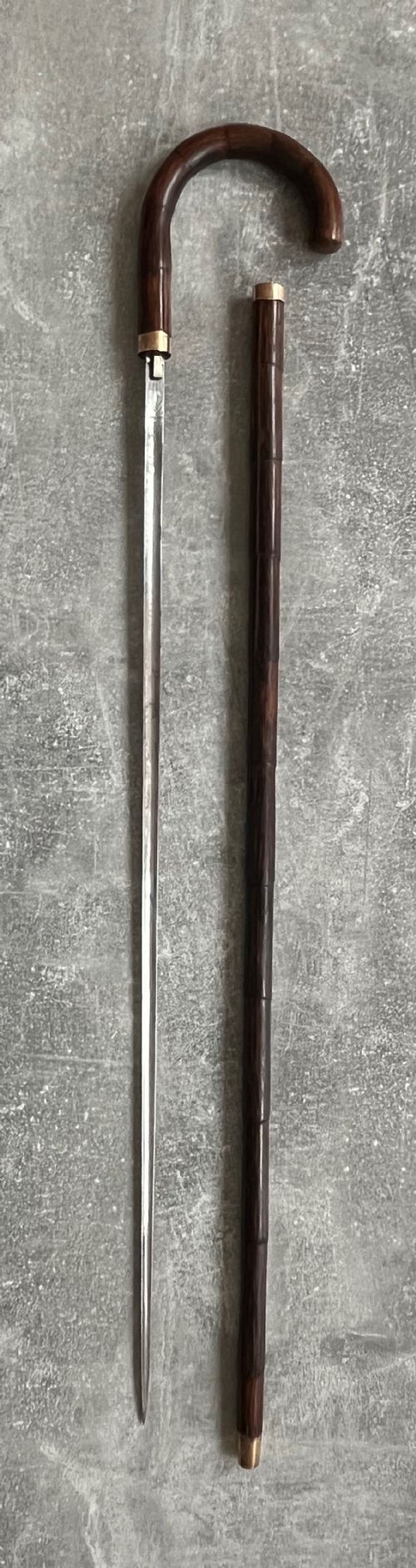
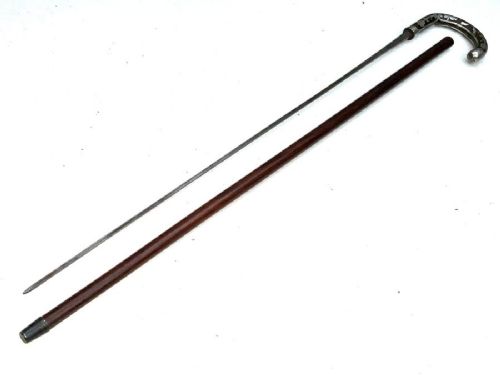
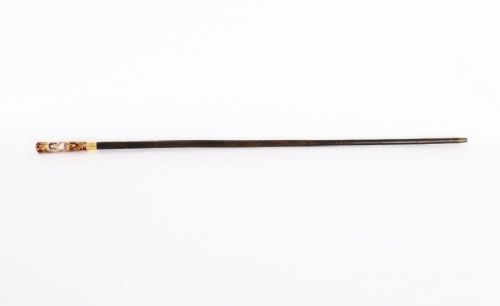
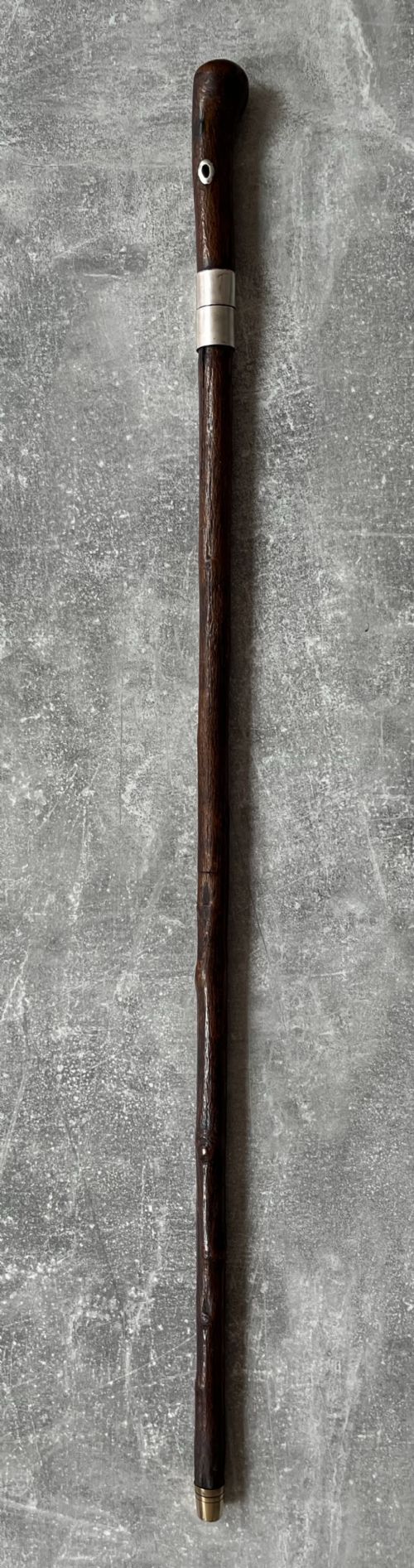
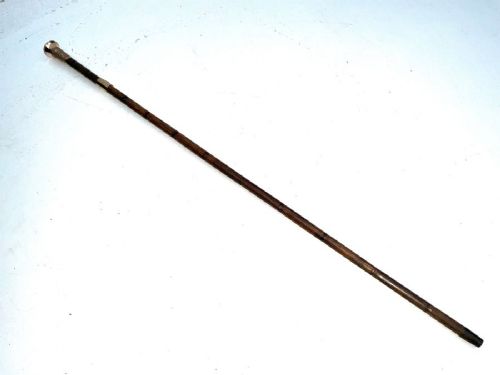
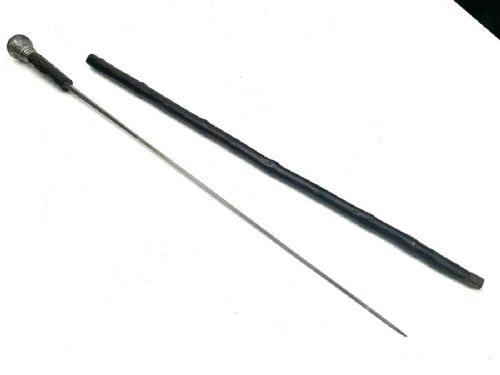
These dark wood cane blade pieces are concealed-weapon walking sticks designed for discreet personal defence, combining everyday gentlemanly support with a hidden steel blade.
Dark Wood Cane Blade
A dark wood cane blade is a traditional walking stick housing a concealed steel sword or dagger beneath its shaft. When searching for a dark wood cane blade, collectors encounter Victorian and early twentieth-century examples dating from the late nineteenth century up to nineteen thirty.
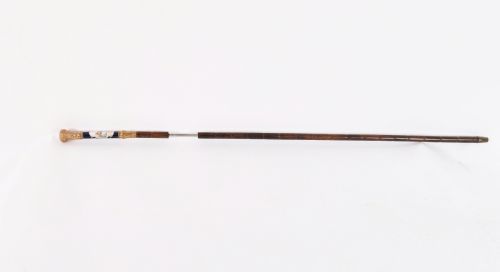
The assortment spans utilitarian gentleman's walking sticks and military officers' swagger sticks alongside more elaborate pieces featuring porcelain, silver collars, and horn handles. Formats range from simple hazel and partridge wood shafts to faux bamboo and Irish blackthorn.
Originating largely from British and French workshops, these pieces served both as fashionable urban accessories and practical tools for personal security during an era when street protection was a genuine concern.
How dark wood cane blade pieces were made
Constructed primarily from sturdy hardwoods like partridge wood, hazel, and malacca, the shafts were carefully hollowed out to accommodate a fitted steel blade. Metal collars in brass and silver frequently reinforced the joint where the handle met the main shaft.
Handles were fashioned from diverse materials including horn, porcelain, and carved wood, secured firmly to the inner mechanism. Blades were forged from steel, sometimes bearing specific regional attributions like Toledo, and engineered to lock securely within the wooden housing until released.
Listings feature walking sticks incorporating steel blades alongside materials such as horn, silver, porcelain, and various hardwoods across the nineteenth and early twentieth centuries.
What varies in quality
Superior quality in a dark wood cane blade reveals itself in the precision of the joinery between the handle and the shaft, ensuring the hidden blade remains secure and rattles not at all during normal walking use. The refinement of the finishing details, such as hand-carved root handles or hallmarked silver collars, distinguishes standard utility pieces from luxury expressions.
The metallurgical grade of the steel blade and the integrity of the locking mechanism dictate the overall standard of manufacture. Finer pieces maintain straight, unwarped wooden shafts that conceal their lethal contents completely while offering balanced weight in the hand.
Brigg
The Dark Wood Cane Blade Glossary
- Sword stick
- A walking cane containing a concealed blade, released by a screw or catch mechanism. These were carried by gentlemen for self-defence.
- Collar
- A metal band, often fashioned from silver or brass, fitted around the upper shaft to prevent the wood from splitting under pressure.
- Malacca
- A prized rattan cane featuring dark brown mottling, valued for its strength and resilience in umbrella and walking stick manufacture.
- Swagger stick
- A short, slender cane traditionally carried by military officers as a symbol of authority rather than for physical support.
- Sevres
- A type of fine French porcelain frequently utilised for decorative handles on high-status nineteenth-century walking sticks.
Dark Wood Cane Blade: Frequently Asked Questions
How do you release the hidden blade?
Most sword sticks utilise a simple screw thread, a push-button release, or a friction catch hidden beneath the handle to secure the blade inside the wooden shaft. Twisting or pulling the handle sharply separates the two sections.
Owners should inspect the locking mechanism carefully to understand how the particular catch engages before attempting to draw the steel blade.
Were these canes used for walking?
They were fully functional walking aids designed to support a gentleman's weight during daily constitutionals while providing an added layer of personal security. The internal steel blade added rigidity and heft to the wooden shaft.
Despite their defensive purpose, they functioned primarily as standard walking accessories worn in urban and rural environments alike.
How do you date a Victorian sword stick?
Dating relies heavily on stylistic markers, materials such as Sevres porcelain or early plastics, and any accompanying metal hallmarks on silver collars. Victorian examples typically span from eighteen seventy to nineteen hundred.
Construction methods also aid dating, as machine-tooled threads and specific steel treatments evolved noticeably between the mid-nineteenth century and the Edwardian era.
What woods were commonly used?
Makers utilised dense, resilient timbers capable of being hollowed without losing structural integrity, including hazel, holly, partridge wood, and malacca. Irish blackthorn was also favoured for its distinctive gnarled appearance.
These woods were selected for their natural toughness and ability to withstand the daily stresses of walking support.