
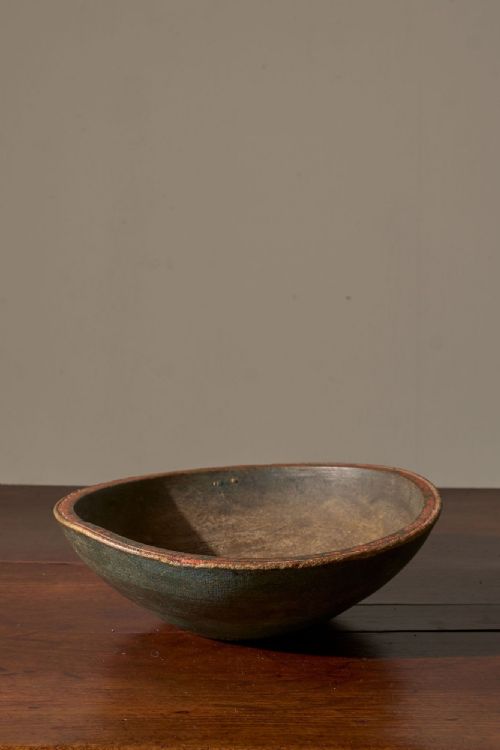
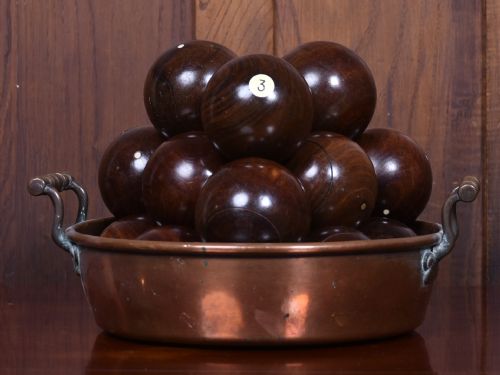


Dark Wood Bowl
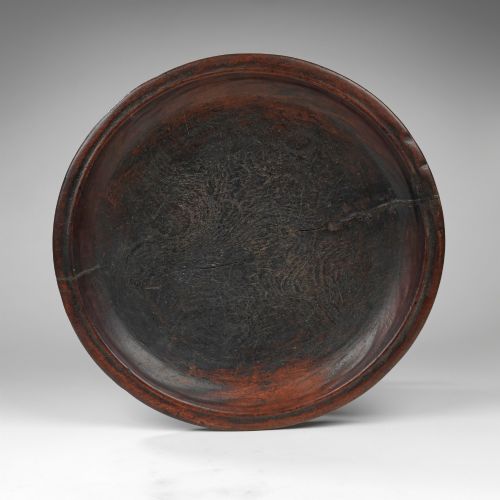
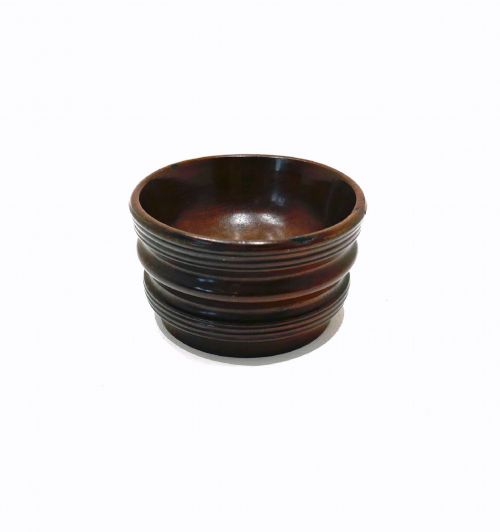
A dark wood bowl brings warmth and tactile depth to a room, turning dense timber into a functional vessel.
Dark Wood Bowl
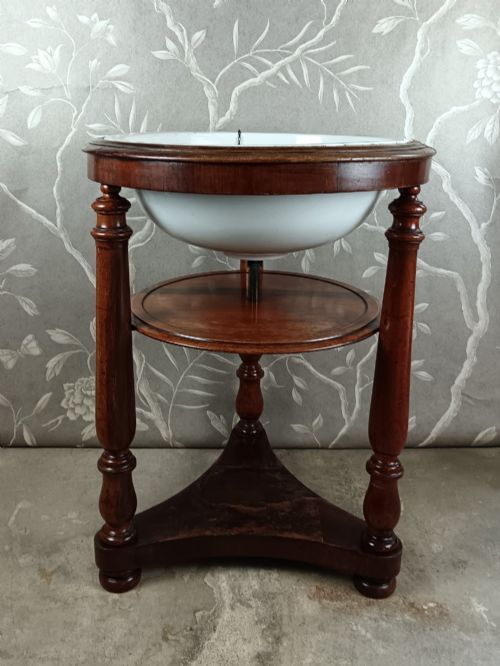
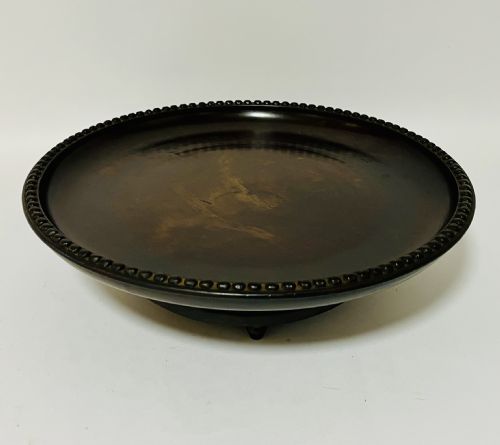
When searching for a dark wood bowl, you encounter turned vessels shaped from dense timbers like mahogany, walnut, and rosewood across Georgian, Victorian, and later periods. These pieces range from utilitarian treen items to decorative carved objects originating from English, Welsh, and continental workshops.
The selection here includes turned bowls, salts, mortars, and specialist containers designed for fruit or nuts, alongside occasional folk art and Swiss musical items. Each object demonstrates the enduring utility of dark timber shaped by the lathe or hand carving.
Materials and construction
Maker operations rely on dense hardwoods such as mahogany, walnut, rosewood, laburnum, and fruitwood, selected for their stability and rich grain. Carpenters and turners shape these timbers using lathes for symmetrical vessels or hand-carving techniques for sculptural forms.
Surface finishes depend on natural oils, wax, or polish applied to accentuate the deep colour and grain patterns of the wood. Details occasionally incorporate parquetry inlay, brass accents, or painted highlights.
The inventory includes Swiss folk art musical bowls alongside traditional British treen and carved Black Forest vessels.
Factors of quality
Quality rests in the precision of the turning and the selection of the timber, where tight grain and natural figuring elevate an ordinary vessel. Superior pieces display harmonious proportions and crisp detail in any carved elements.
The integrity of the timber and the preservation of original surface patination distinguish finer examples from later reproductions or heavily altered pieces.
The Dark Wood Bowl Glossary
- Treen
- Small handmade wooden objects for domestic use. This encompasses items ranging from bowls and spoons to tea caddies and small containers.
- Turned
- Shaped on a lathe while rotating against cutting tools. This method produces symmetrical bowls, mortars, and pedestals.
- Parquetry
- Geometric mosaic woodwork applied to a surface. Artisans use contrasting timber veneers to create decorative patterns on boxes and stands.
- Fruitwood
- Timber derived from fruit-bearing trees such as apple, pear, or cherry. Cabinetmakers prize these woods for their fine grain and warm tone.
Dark Wood Bowl: Frequently Asked Questions
How do I clean a dark wood bowl?
Dust gently with a dry, soft cloth to maintain the surface. Avoid water immersion and harsh chemical cleaners to protect the timber.
Apply a microcrystalline wax occasionally if the wood appears dry, buffing it lightly to preserve the natural sheen.
Can I use these bowls for food?
Most antique bowls are intended for decorative display or dry contents rather than wet or oily food items. Historic finishes and timber porousness mean modern culinary use can damage the antique surface.
Keep them for display, holding dried items, or storing small objects around the home.
What is treen?
Treen describes small wooden utilitarian articles manufactured before mass production. These everyday household items include bowls, salt cellars, and containers.
Collectors value them for their tactile qualities and the evidence of historic hand craftsmanship.
How do I date a wooden bowl?
Dating relies on tool marks left by lathes or adzes, timber choice, and overall style context. Georgian and Victorian pieces often show distinct turning signatures.
Compare the patination and wear patterns with documented examples from similar periods and workshops.