


Dark Watercolour Painting
A dark watercolour painting captures the moody tones of nineteenth and twentieth-century subjects, offering rich depth and historic atmosphere for any wall.
Dark Watercolour Painting
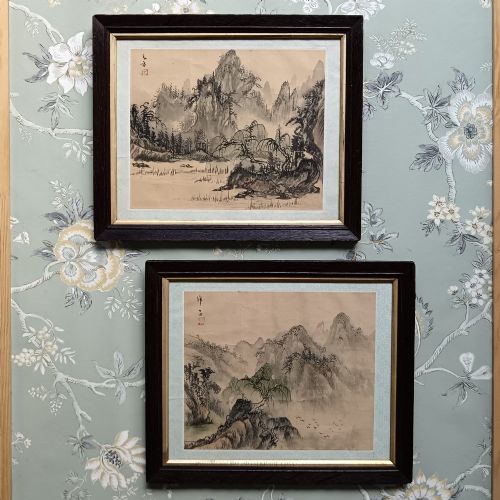
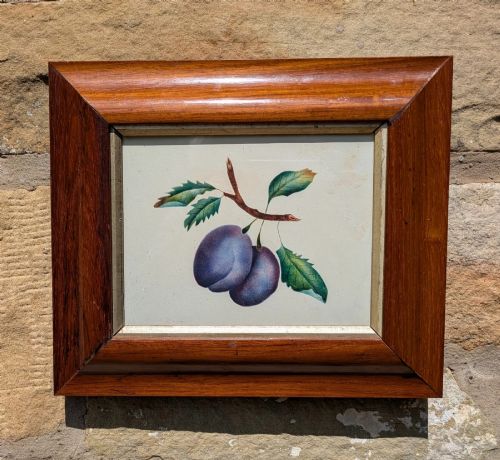
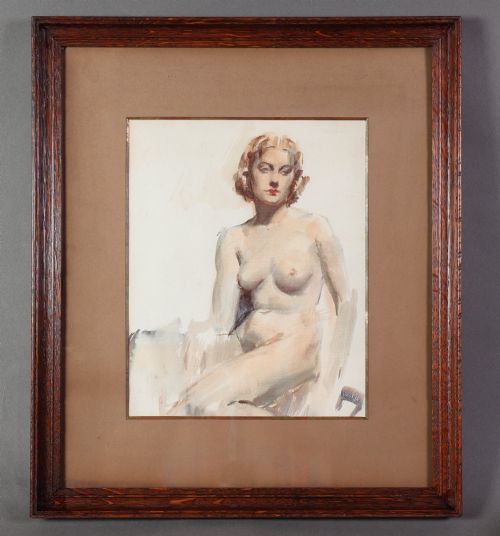
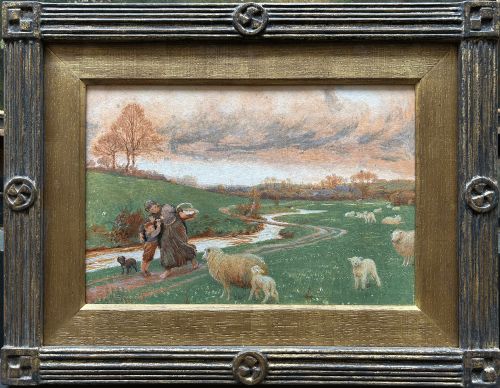
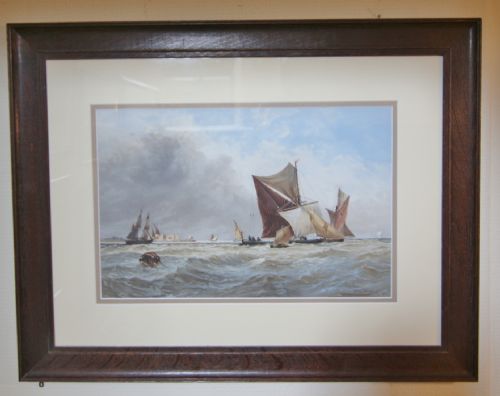
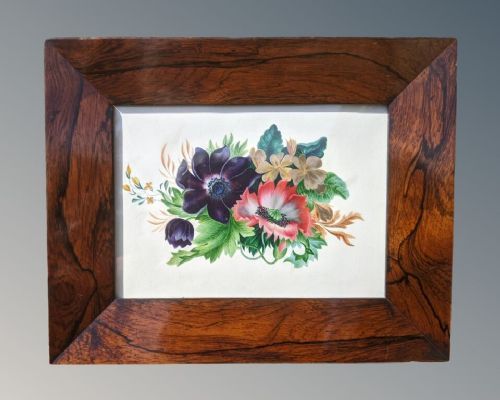
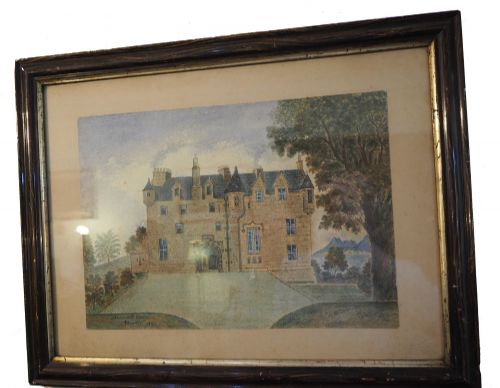
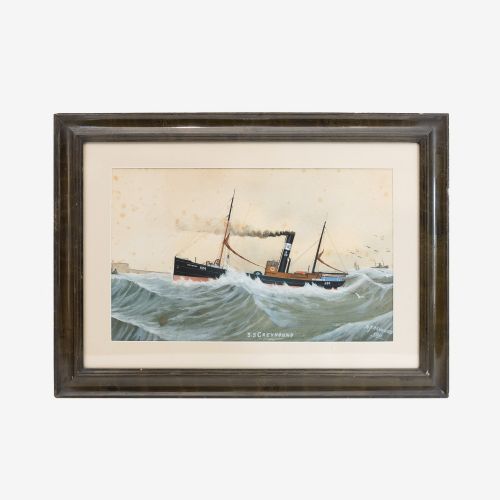
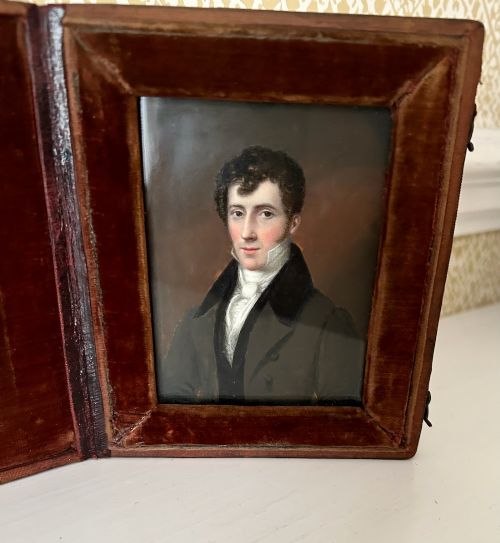
A dark watercolour painting brings together works executed on paper using water-based pigments, ink, and gouache, often framed in wood, oak, or rosewood. These pieces range from maritime scenes and architectural studies to detailed portraits and botanical artwork.
Buyers will encounter varied forms including miniature paintings, portrait miniatures, and larger framed wall art spanning the Regency, Victorian, and mid-twentieth-century periods. Many examples date from the nineteenth century, reflecting traditional British and international schools.
The selection includes specific scenes such as seascapes, moonlit streetscapes, and historic country settings. Works frequently arrive in original frames, preserving the integrity of the period aesthetic.
Materials and construction
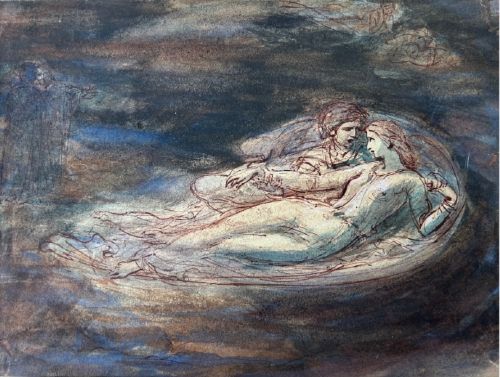
Artists of these periods applied watercolour, gouache, and ink onto paper supports, sometimes combining media to achieve depth and shadow. These pigments interact with the paper to create the characteristic moody palette of a dark watercolour painting.
Many of these works are housed in period frames constructed from woods such as oak and rosewood, occasionally featuring glass protection. These original housings reflect the framing conventions of the nineteenth and early twentieth centuries.
Listings feature works spanning the Regency and Victorian periods up to mid-20th-century British schools, utilising paper, wood, glass, ink, and gouache.
Factors of distinction
Quality in a dark watercolour painting rests on the handled control of tone, line, and medium depth by the artist. Stronger examples display deliberate brushwork and confident ink or gouache application that maintain clarity within sombre palettes.
The preservation of the paper support and the survival of the original wooden or rosewood frame contribute significantly to the standing of a piece. Works with clear provenance, artist attribution, or informative rear annotations hold distinct interest for collectors.
TB Hardy·Catherine Thomas·Alexander Harwood·Richard Harry Carter·William Manners·Charles Johnson Payne Snaffles·Annie L. Lee
The Dark Watercolour Painting Glossary
- Gouache
- An opaque water-based paint that provides solid areas of colour and highlights. It is frequently combined with transparent watercolour in darker compositions.
- Wash
- A thin, fluid layer of diluted watercolour pigment applied to paper. Painters utilise washes to establish atmospheric background tones and shadows.
- Provenance
- The documented history of ownership of an artwork. It provides evidence of authenticity and past exhibition or collection history.
- Naive art
- Style of painting characterised by a simple, direct approach to perspective and form. These works are typically produced by self-taught artists.
Dark Watercolour Painting: Frequently Asked Questions
How should I hang a dark watercolour painting?
Keep these works away from direct sunlight to prevent the watercolour pigments and paper supports from fading over time. Maintaining stable indoor humidity also protects the paper and original wooden frames.
Position the art at eye level on walls where artificial lighting can accentuate the subtle tones and dark hues without causing glare on the glass.
Are these paintings original works?
The pieces recorded here are original paintings, sketches, and drawings rather than modern mass-produced prints. Each handmade item bears the distinct brushstrokes, pigment density, and individual character of the artist.
Signatures, dates, and inscriptions on the front or rear often provide direct evidence of their historical creation.
What framing is typically found on these pieces?
Many examples retain their period frames constructed from materials such as oak and rosewood. These original surrounds often complement the sombre mood of the artwork within.
Inspect the glazing and backing boards to ensure the historic framing continues to protect the fragile paper support adequately.
How can I identify the period of a piece?
Dating relies on stylistic clues, framing methods, and any surviving annotations or signatures on the reverse of the paper or frame. Nineteenth-century works frequently display specific framing profiles and handwriting styles characteristic of the Victorian era.
Comparative study of known artists from periods like the Regency or early twentieth century helps narrow down the date of execution.