
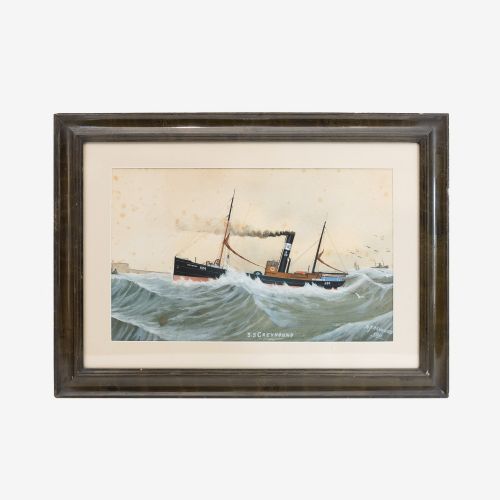


Dark Watercolour Art
Dark watercolour art brings moody depths and quiet atmosphere into a room, capturing landscapes and portraits through translucent washes.
Dark Watercolour Art
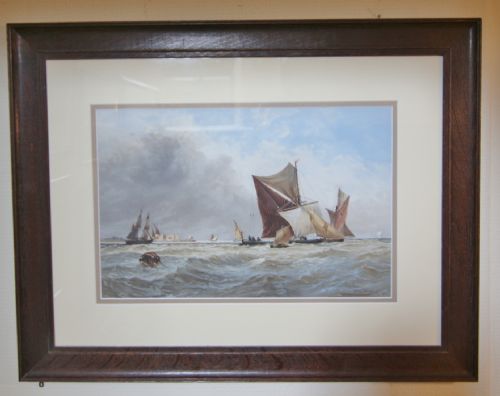
Dark watercolour art encompasses original paintings and sketches executed in washes of pigment on paper, often framed in wood, oak, or rosewood. Buyers searching for dark watercolour art encounter works ranging from Victorian maritime scenes and architectural drawings to intimate portrait miniatures.
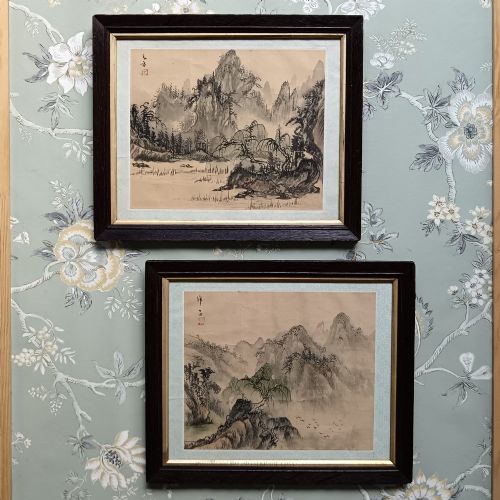
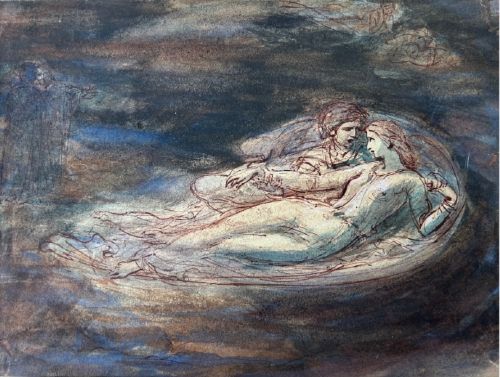
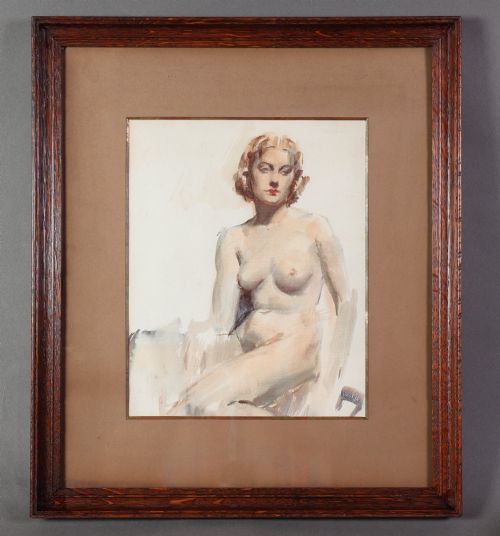
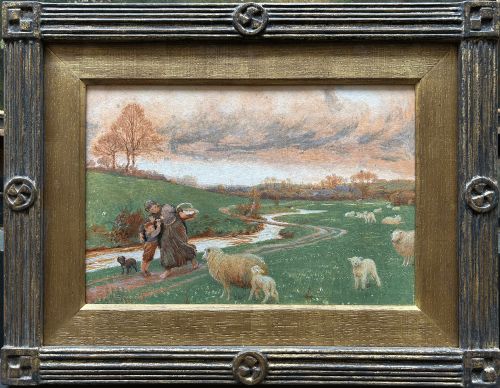
The pieces span periods including the Regency era, the nineteenth century, and the mid-twentieth century, with styles covering the Victorian Idyllic School, Pre-Raphaelite works, and traditional Chinese silk paintings. Common subjects include moonlit street scenes, stormy seascapes, and detailed portraits of gentlemen and military officers.
Most examples originate from the nineteenth century, rendered on paper with ink, gouache, or watercolour. These works frequently arrive in original frames, preserving the historical context of the painting.
Materials and Technique
Artists painted primarily on paper supports, sometimes utilising silk, applying layers of watercolour pigment, ink, and gouache to build depth and shadow. The interaction of water-based pigments creates the subtle tonality characteristic of these darker compositions.
A nineteenth century naive portrait records a gentleman with a wooden leg, immortalising a specific individual character in ink and watercolour.
Assessing Quality
Quality rests upon the skill of the brushwork and the precision of the draughtsmanship, particularly in detailed architectural drawings or miniature portraits. Stronger pieces display confident handling of tone and shadow, creating a distinct atmosphere without losing clarity in the subject.
The integrity of the framing contributes to the overall character of the piece, with original rosewood or oak frames enhancing the historical presence of the artwork. Documentation on the reverse, such as annotations regarding the subjects and dates, adds historical depth to individual works.
TB Hardy·Catherine Thomas·Frederick Walker·William Manners·Charles Johnson Payne Snaffles·Annie L Lee
The Dark Watercolour Art Glossary
- Gouache
- An opaque water-based paint that provides solid areas of colour and highlights. It is frequently combined with watercolour to build density in darker compositions.
- Portrait Miniature
- A small, highly detailed painting depicting a person, often executed on a small scale during the nineteenth century. These intimate works frequently feature subjects from specific historical periods.
- Wash
- A thin, translucent layer of diluted watercolour pigment applied to paper. This technique creates smooth gradients and atmospheric background depths in landscapes and seascapes.
- Ink and Wash
- A mixed media technique combining linear ink drawing with translucent washes of dark pigment. It defines both architectural precision and soft tonal shadows.
- Silk Painting
- Artwork executed directly onto woven silk fabric rather than paper. Examples include traditional Chinese mountain and water compositions.
Dark Watercolour Art: Frequently Asked Questions
What periods do these pieces date from?
The works span from the Regency period and the nineteenth century through to the early twentieth century and mid-twentieth century.
Most surviving examples originate from the Victorian era, reflecting the artistic styles and framing traditions of that time.
How should these watercolours be displayed?
These works require placement away from direct sunlight to prevent the watercolour pigments and paper from fading over time.
Displaying them in their original wood, oak, or rosewood frames helps preserve their historical context and structural integrity.
What subjects appear in these works?
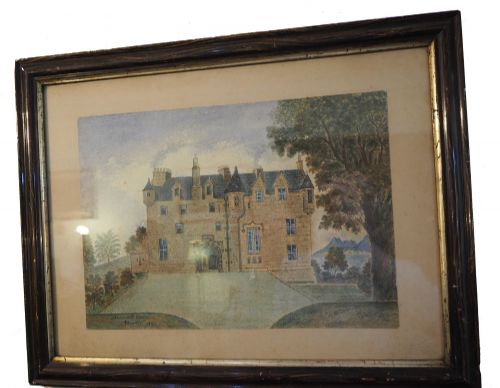
Subjects range from maritime scenes and coastal trawling luggers to moonlit street scenes and architectural facades.
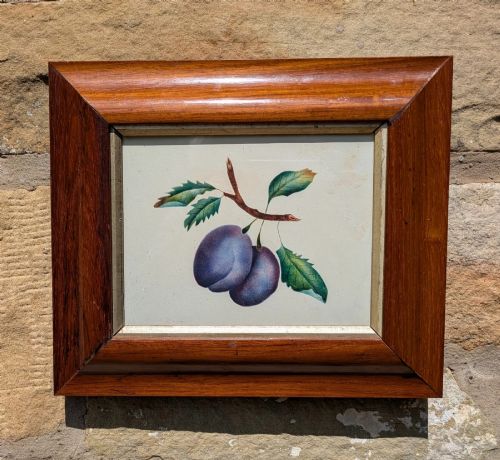
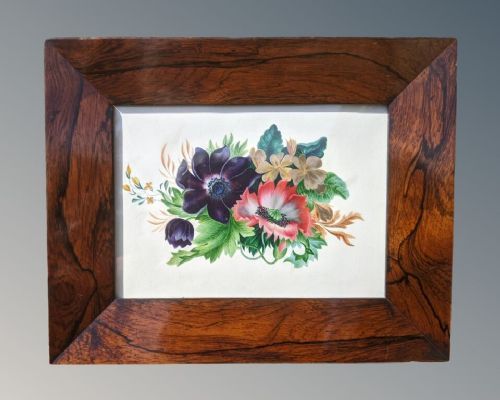
Portrait miniatures and studies of gentlemen, military officers, and botanical specimens also form a significant part of the selection.
Are the frames original?
Many pieces retain their original wooden, oak, or rosewood frames, which often show period characteristics such as specific moulding or joinery.
Annotations on the reverse of some frames provide historical details and dates regarding the subjects depicted.