




Dark Walnut Display Table
These dark walnut display table pieces combine rich timber tones with practical surface space, offering collectors a striking platform for treasured objects.
Dark Walnut Display Table
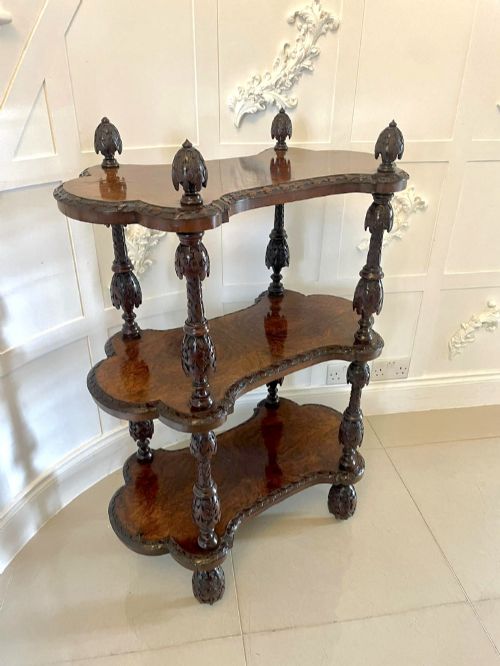
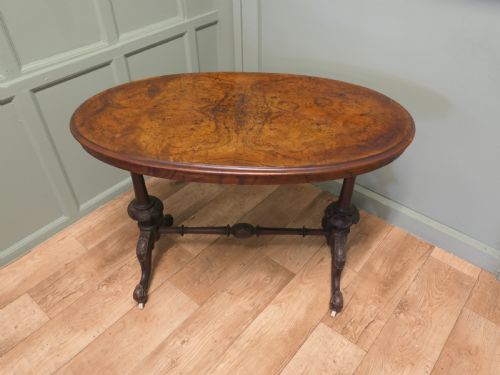
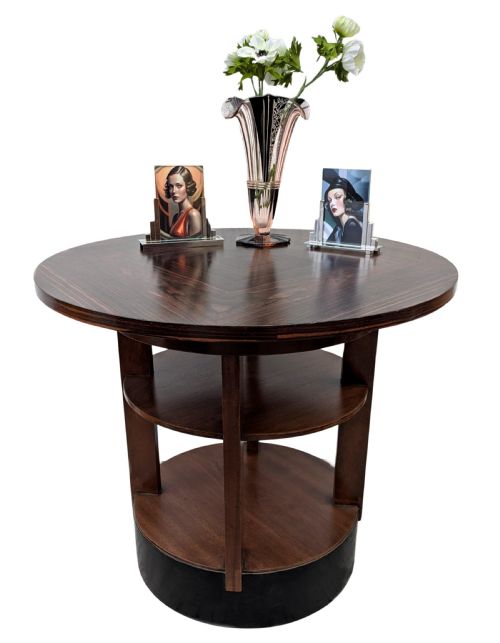
A dark walnut display table provides a refined surface for showing small objects, appearing in forms such as whatnots, etageres, and occasional tables. Buyers seeking a dark walnut display table will encounter pieces ranging from Victorian burr walnut stands to Art Deco tiered occasional tables.
The selection includes specific regional and period variations, from colonial drinks cabinets to Venetian figures and Georgian revival silver display tables. Most examples date from the nineteenth and early twentieth centuries, utilising rich figuring in the timber.
How they were made
Cabinet makers utilised solid walnut and burr walnut veneer over secondary hardwoods, often highlighting the natural grain patterns. Carved figural elements and brass mounts frequently complement the timber construction.
Glass panels appear in cabinets and display surfaces, while rosewood veneer and mahogany occasionally provide contrasting borders or internal structures within the construction.
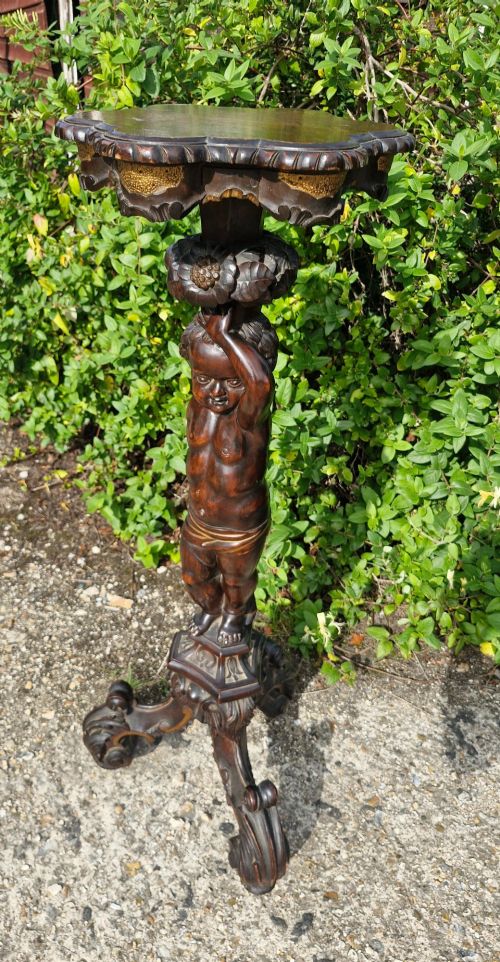
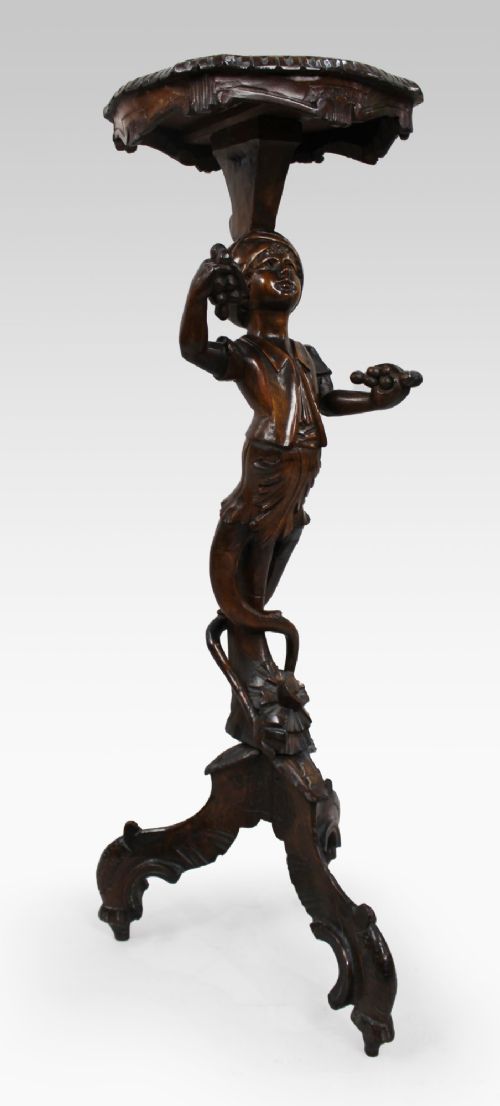
Several pieces feature carved wooden figures and Blackamoor stands acting as silent attendants to your ornaments.
What varies in quality
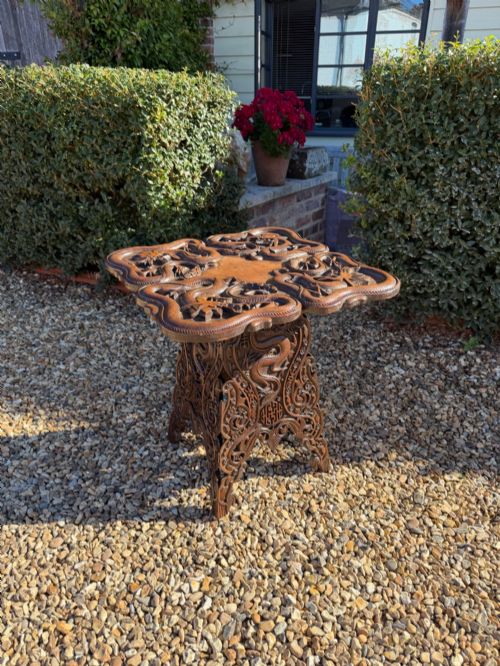
Quality rests upon the depth of the timber figuring and the crispness of any carved ornamentation. Elaborate figural carvings and exhibition quality joinery elevate certain pieces above standard utilitarian examples.
The choice of burr walnut veneer over plain timber creates distinct visual hierarchy. Superior proportions and integrated architectural details distinguish finer pieces from simpler occasional stands.
Shoolbred
The Dark Walnut Display Table Glossary
- Burr walnut
- A prized timber harvested from walnut tree growths, producing swirling grain patterns used extensively in fine veneer work.
- Whatnot
- A multi-tiered piece of furniture designed for displaying ornaments, books, or curiosities.
- Etagere
- A set of open shelves for displaying small objects, similar in function to a whatnot.
- Jardiniere stand
- A tall pedestal or table specifically designed to hold a plant container or decorative bowl.
- Tilt top
- A table mechanism allowing the surface to pivot to a vertical position when not in use.
Dark Walnut Display Table: Frequently Asked Questions
What is a dark walnut display table used for?
These pieces serve primarily to exhibit decorative items, silver, or curiosities while providing a stable surface in hallways and reception rooms. Their tiered designs and glass tops protect delicate objects while keeping them visible.
They function equally well as standalone sculptural forms or as practical furniture for holding plants and drinks cabinets.
How do I identify Victorian examples?
Victorian pieces often feature rich burr walnut veneers, deep carving, and robust proportions associated with mid to late nineteenth-century cabinet making. Look for traditional joinery and characteristic period forms such as whatnots.
Exhibition pieces from this era display particularly intricate figural work and superior timber selection.
What distinguishes Art Deco tables?
Art Deco dark walnut tables from the nineteen-thirties emphasise geometric lines, tiered structures, and smooth polished surfaces rather than heavy carving. They showcase the natural warmth of walnut through streamlined silhouettes.
These later pieces offer a distinct contrast to the ornate Victorian and Georgian revival styles.
Are these tables suitable for small spaces?
Many forms, including pedestal stands and compact occasional tables, occupy minimal floor space while offering vertical display capacity. Multi-tiered etageres maximise storage without enlarging the footprint.
Careful placement allows these pieces to function effectively in both spacious rooms and restricted hallways.