
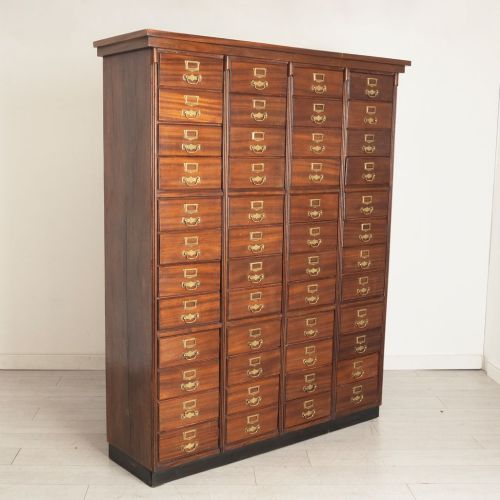
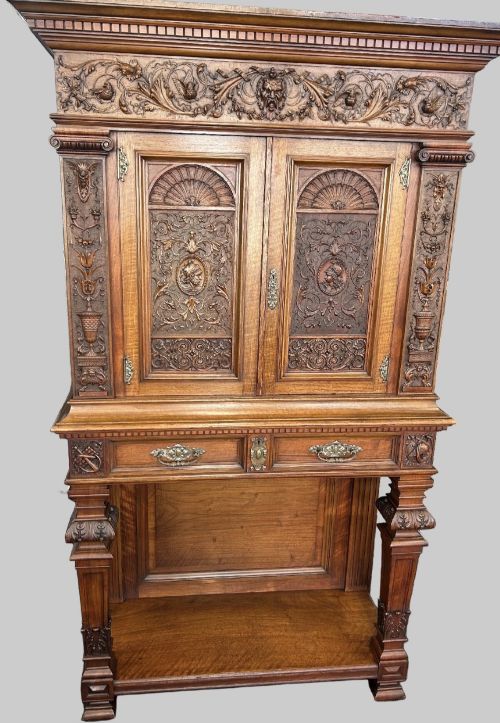
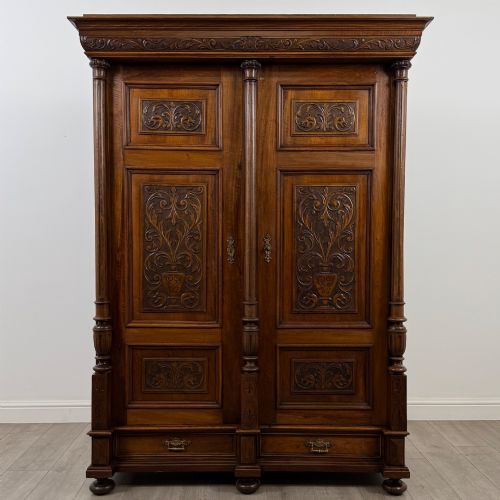
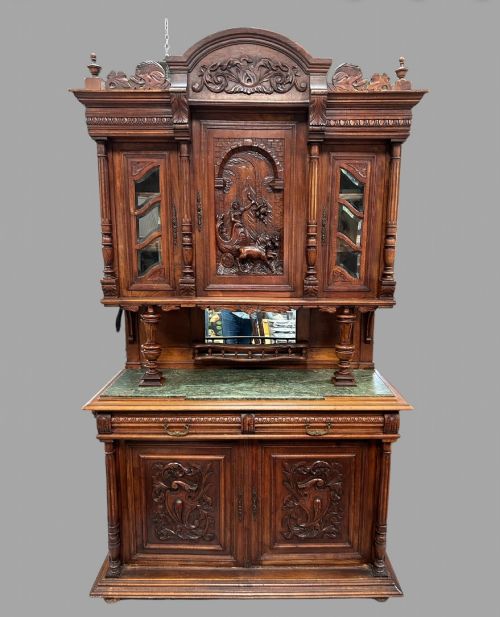
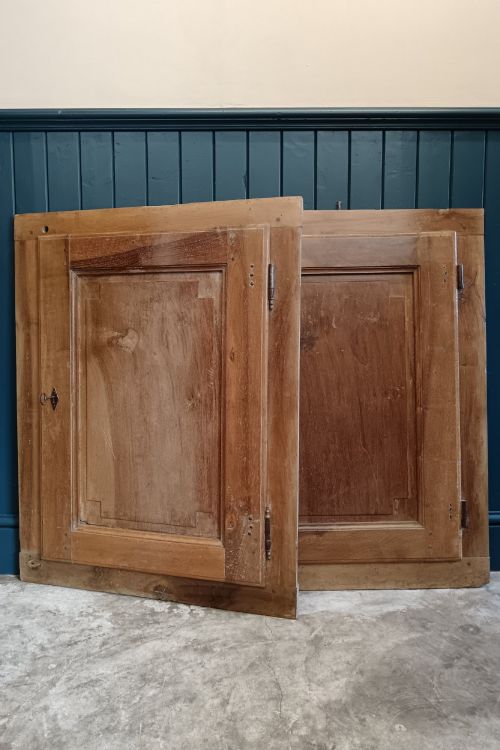

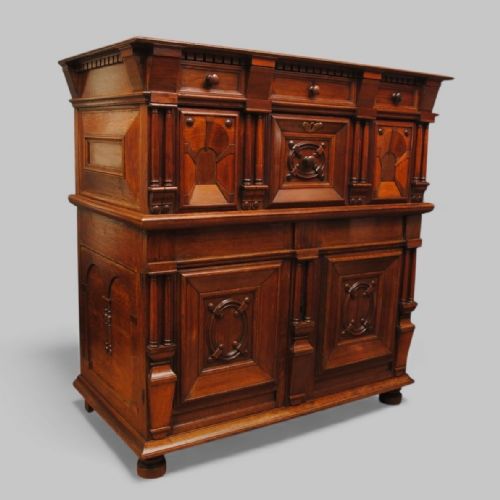

Dark Walnut Cupboard Cabinet
A dark walnut cupboard cabinet brings rich figure and deep timber tone into a room, spanning centuries of continental and British cabinet-making.

Dark Walnut Cupboard Cabinet
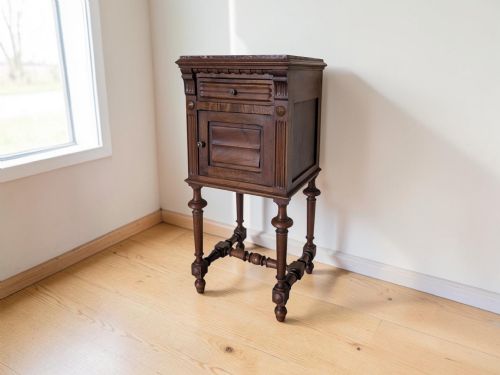
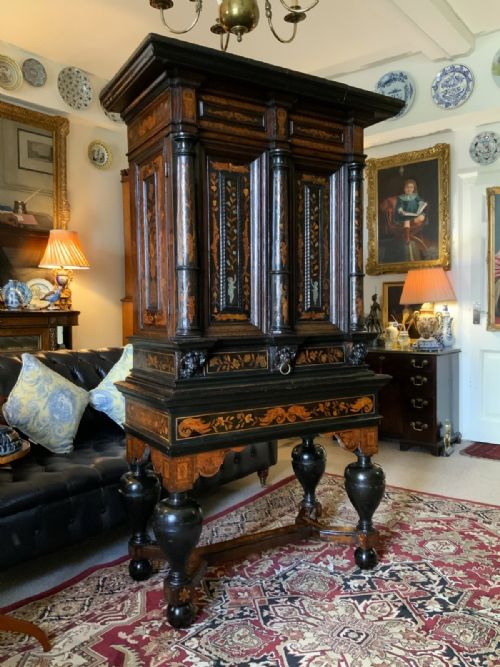
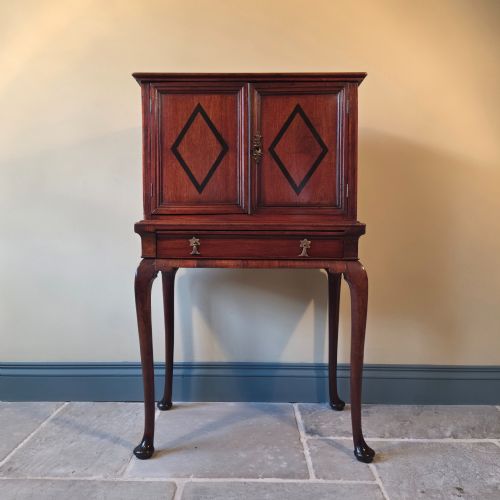
When you search for a dark walnut cupboard cabinet, you encounter forms ranging from towering 17th-century Spanish and Dutch pieces on stands to compact Victorian bedside tables and Edwardian display cabinets. The 19th century and the Victorian era provide a large share of the surviving examples, alongside earlier 17th and 18th-century pieces featuring elaborate stands or marquetry.
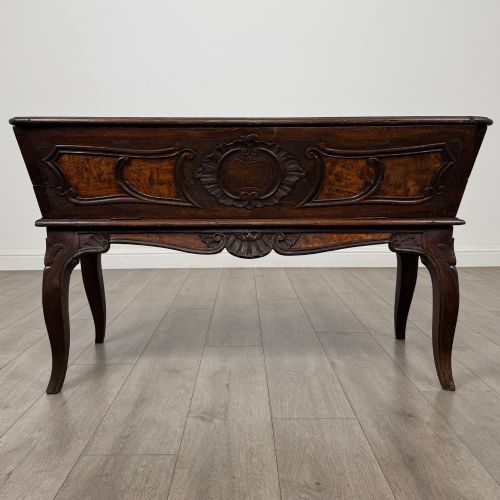
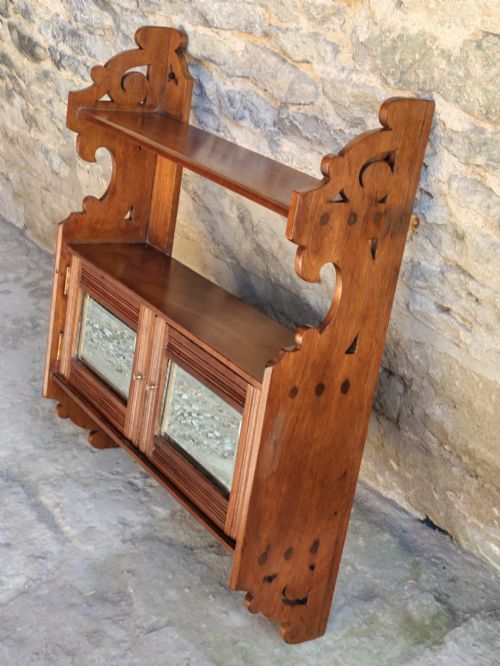
The selection includes specialised regional variants such as French provincial dressers, Italian sideboards, and hanging wall cabinets. Buyers frequently find burr walnut display pieces and bedside nightstands alongside larger breakfront bookcases and carved buffets.
Materials and construction
Cabinet-makers utilised solid walnut and decorative burr walnut veneers over secondary timbers, often accentuating surfaces with intricate parquetry or marquetry. Metal elements such as brass handles, iron fittings, and pewter inlay provide structural contrast to the dark timber.
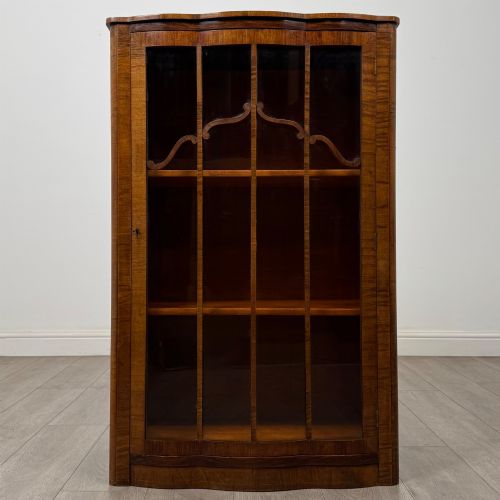
Glazed doors utilise glass panels for display purposes, while specialist pieces incorporate marble tops or mother-of-pearl inlay. Carved ornamentation defines many of the 19th-century and Renaissance Revival examples.
Materials across the inventory include marble, brass, iron, and mother-of-pearl alongside standard walnut.
Gradations of quality
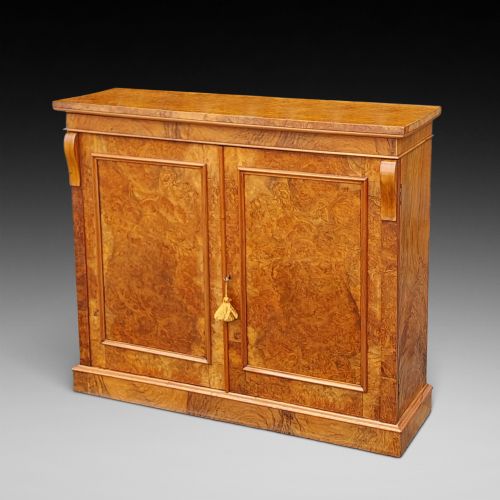
The distinction between standard utility items and high-end examples rests upon the selection of timber grain, particularly the vibrancy and symmetry of burr walnut veneers. Superior pieces display meticulous hand-carving and precise joinery rather than mass-produced uniformity.
Original hardware, integrated stands, and intact glass or inlay elevate the standing of a piece. The depth of the French polish or wax finish also dictates the visual authority of the walnut surface.
Gordovil Spain
The Dark Walnut Cupboard Cabinet Glossary
- Burr walnut
- A figured veneer taken from the wart-like growth on a walnut tree, prized for its swirling grain patterns. It creates a highly decorative surface on Victorian and Edwardian cabinets.
- Cabinet on stand
- A form comprising an enclosed storage section raised on a separate supporting base with legs. Examples range from 17th-century Baroque pieces to later adaptations.
- Marquetry
- The art of applying pieces of veneer to a structure to form decorative patterns and pictures. Craftsmen utilise various woods and sometimes pewter to achieve contrasting designs.
- Parquetry
- A geometric mosaic of wood pieces used for decorative floors and cabinet surfaces. It appears frequently on the doors and tops of Edwardian and later bedside tables.
Dark Walnut Cupboard Cabinet: Frequently Asked Questions
What is a bargueño cabinet?
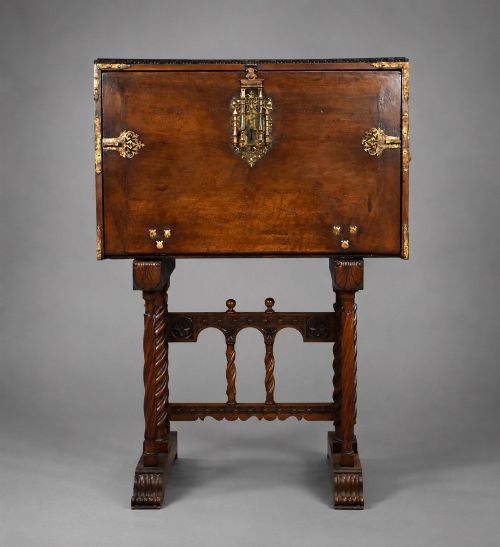
A bargueño is a traditional Spanish desk or cabinet characterised by a drop-front writing flap and numerous internal drawers. Originating in the 17th century, these pieces often sit upon decorative wooden stands.
They display elaborate internal compartments and rich walnut construction designed to conceal documents and valuables.
How do I identify a 17th-century cabinet?
Seventeenth-century pieces typically feature heavy architectural mouldings, panelled construction, and substantial walnut framing. Many incorporate stands or elaborate pewter inlay.
Construction methods rely on hand-pegged joints and dense timbers rather than machine-cut precision.
Where should I place a display cabinet?
Display cabinets with glass panels suit reception rooms or libraries where natural light highlights the interior contents. They protect collections while maintaining visibility.
Keep them away from direct sunlight to preserve the dark walnut tone and prevent veneer drying.
What distinguishes burr walnut from plain walnut?
Burr walnut derives from distorted tree growths, producing dense, swirling patterns that catch the light differently than straight grain. Plain walnut offers a uniform, deep brown appearance.
Both timber types benefit from traditional wax polishing to maintain their lustre.