



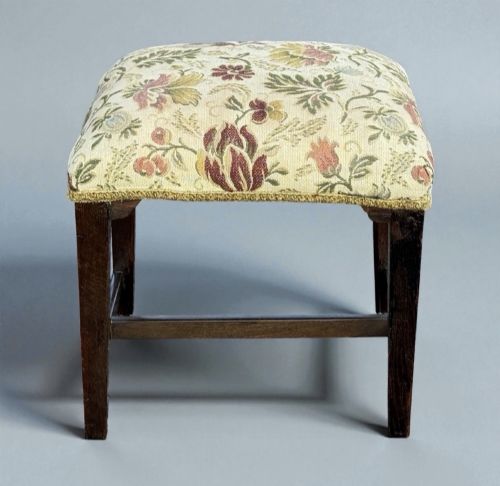
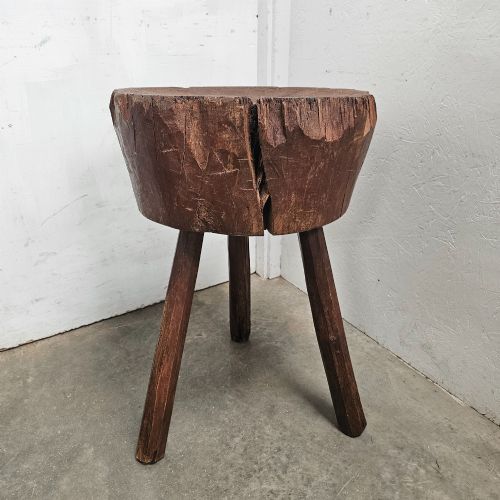
Dark Timber Stool
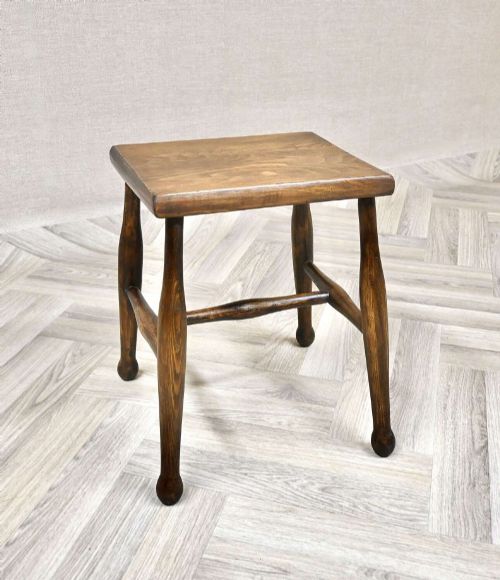
A dark timber stool brings honest, weathered character into a room through solid woods and centuries of utility.
Dark Timber Stool
A dark timber stool encompasses practical seating found across domestic, agricultural, and workshop settings from past centuries. Buyers search for these pieces to introduce tactile warmth and functional history into modern interiors.
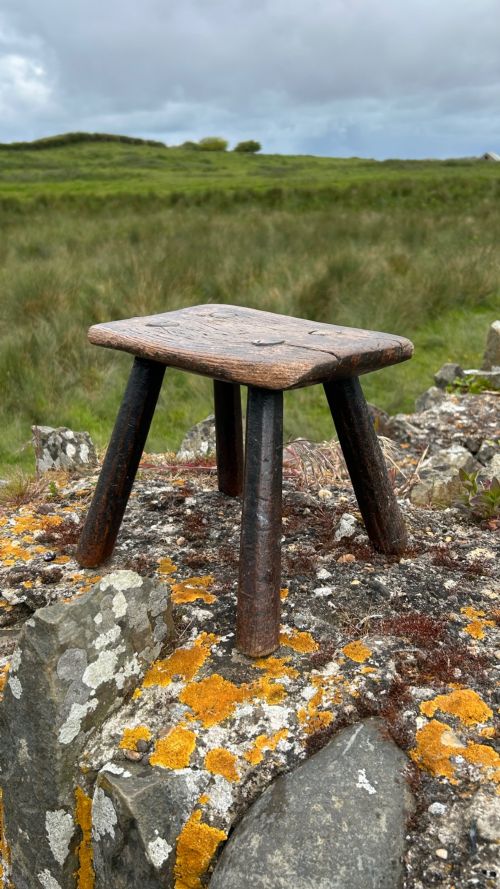
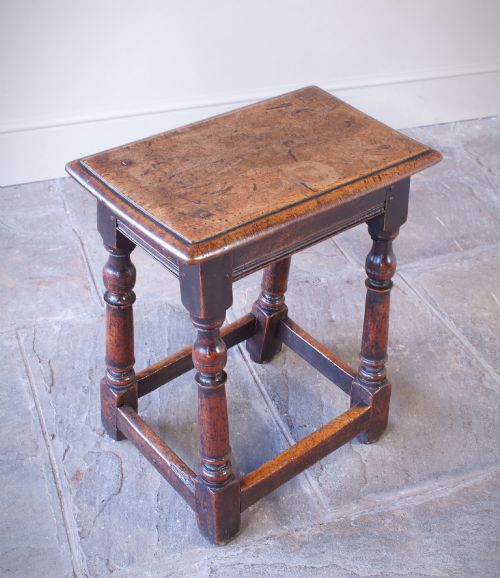
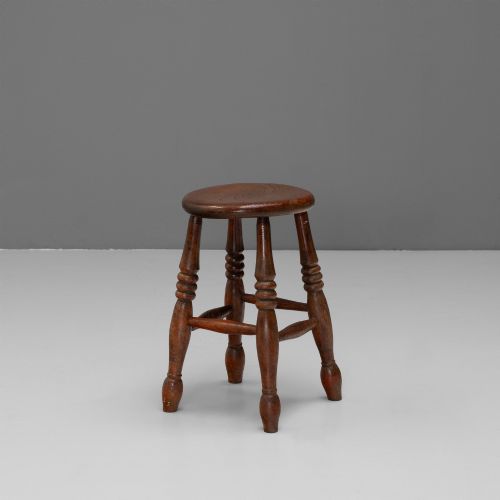
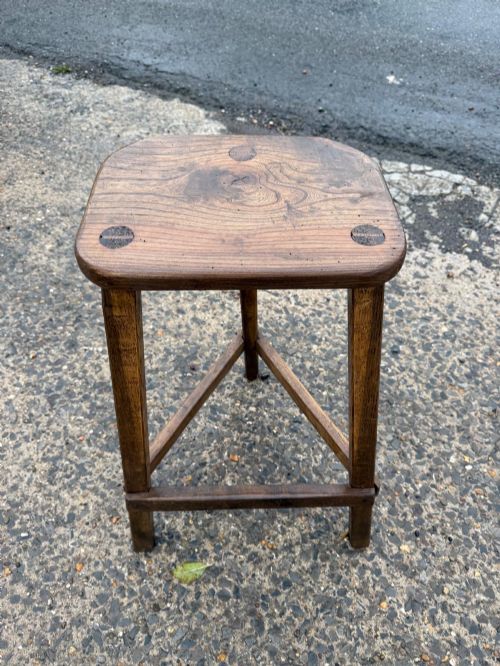
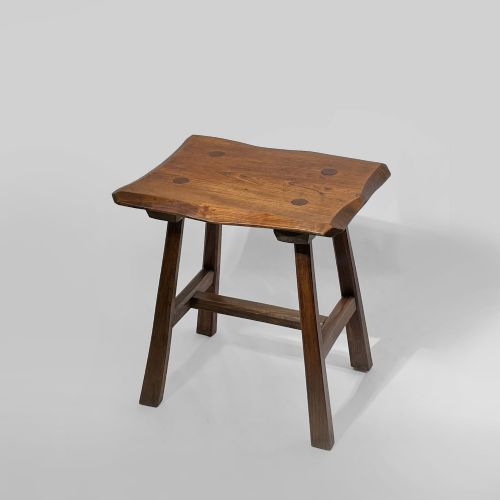
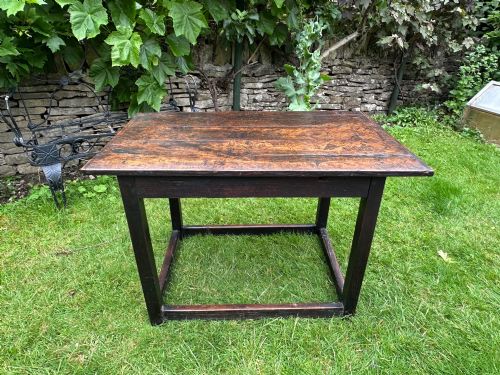
The selections span simple vernacular forms, including elm top examples, pub seats, and joint stools rooted in seventeenth-century traditions. Many originate from country workshops, featuring sturdy construction designed for daily use.
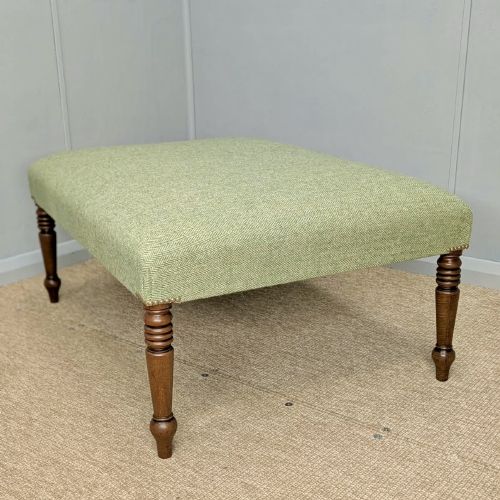
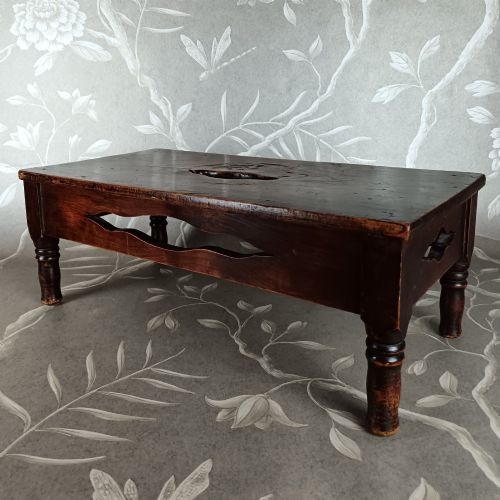
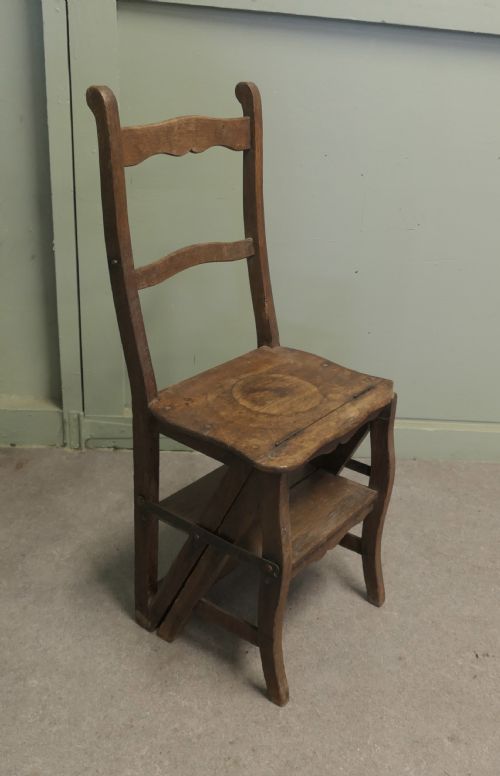
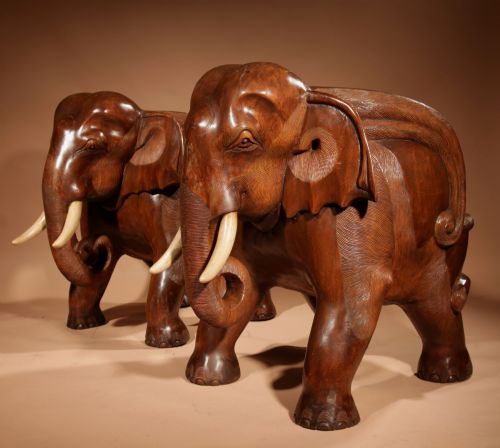
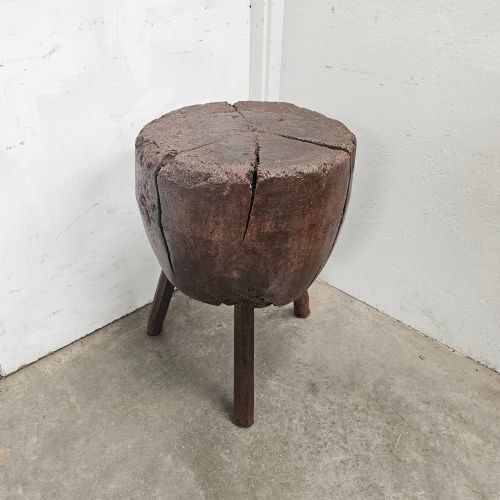
Alongside traditional English country pieces, variations include French beech blocks, industrial machinist seats, and Asian hardwood stands. Elm and oak frequently form the primary structure of these utilitarian objects.
How they were made
Maker practices relied upon solid woods such as oak, elm, beech, and mahogany, shaped with hand tools in regional workshops. Joinery often employed pegged mortise and tenon construction or turned legs fitted directly into sculpted seats.
Surfaces developed natural patinas through decades of friction, wax, and handling rather than heavy factory finishes. Carpenters selected dense hardwoods to withstand the rigorous demands of taverns, farms, and craft spaces.
Dark Timber Stool Retail Price Guide 2026
Typical asking prices for dark timber stool among the pieces listed under this phrase on Sellingantiques today, from the lower quarter to the upper quarter. They describe what is for sale here now, not the wider market.
Listings feature oak, elm, and beech across centuries ranging from seventeenth-century joint stools to industrial nineteenth-century workshop seating.
What varies in quality
Distinction across the range rests upon the integrity of the timber and the depth of the surviving surface patina. Untouched examples retaining original construction marks and honest wear stand apart from heavily restored pieces.
Proportion and structural balance dictate the success of vernacular furniture, where simpler forms demand precise joinery to remain stable. The visual weight of the wood grain and the comfort of the sculpted seat further separate standard examples from finer specimens.
The Dark Timber Stool Glossary
- Joint stool
- A low wooden seat constructed with mortise and tenon joints pegged together, common in seventeenth-century households. These sturdy items predate the widespread use of upholstered chairs.
- Vernacular
- Everyday objects made by local craftsmen for practical use rather than following high-style court fashions. These pieces reflect regional materials and traditions.
- Plank top
- A seat or table surface constructed from solid boards of timber joined side by side. This method allowed makers to utilise wide planks from mature trees.
- Machinist stool
- Industrial seating produced for workshops and factories, often featuring adjustable iron mechanisms and wooden seats. They combined metal utility with durable timber components.
- Patina
- The deep surface sheen and coloration developed by wood through age, handling, and light exposure over generations. A desirable surface shows authentic historical use.
Dark Timber Stool: Frequently Asked Questions
How do I date a wooden stool?
Dating relies on examining tool marks, construction methods, and timber species relative to known period styles. Pegged joints and adzed surfaces often point to earlier centuries.
Secondary indicators include the wear patterns around footrests and the oxidation of the wood beneath the seat. Comparing these elements with documented examples helps establish a reliable timeframe.
Were these stools used in homes?
Many examples served utilitarian roles in kitchens, dairies, pubs, and workshops rather than formal parlours. Their robust construction allowed them to withstand heavy daily labour.
Over time, these practical objects migrated into domestic living spaces as occasional seating or plant stands. Their compact forms make them adaptable for modern rooms.
What is elm wood like?
Elm is a dense, interlocking timber known for its resistance to splitting, making it ideal for shaped saddle seats. Its grain provides a rich texture that deepens in colour over centuries.
Makers favoured this wood for items requiring high durability under persistent pressure. The natural grain variation gives each seat a distinct character.
How should I clean antique wood?
Maintenance requires gentle dusting with a soft cloth and occasional application of appropriate wax to nourish the dry timber. Avoiding modern silicone polishes preserves the historic surface.
Keeping pieces away from direct heat sources prevents the wood from splitting or warping. Preserving the original finish maintains the integrity of the object.