




Dark Timber Drawers
Dark timber drawers offer rich, substantial storage shaped by centuries of cabinet-making.
Dark Timber Drawers
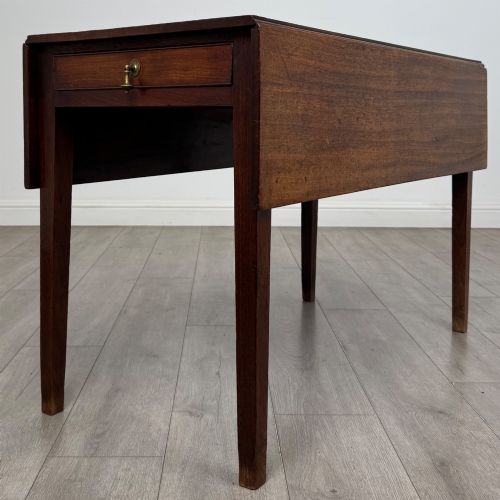
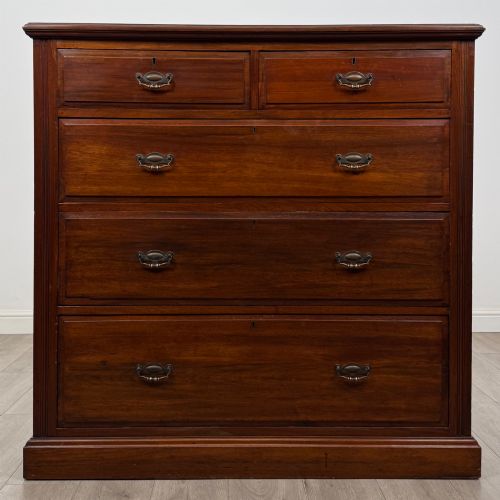
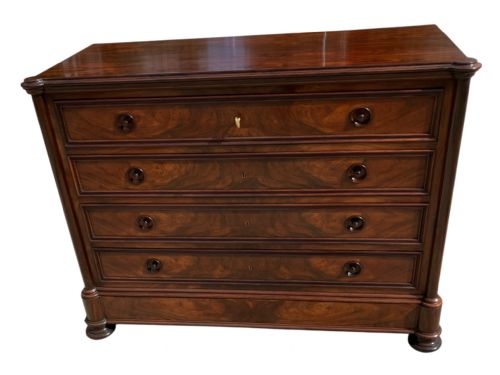
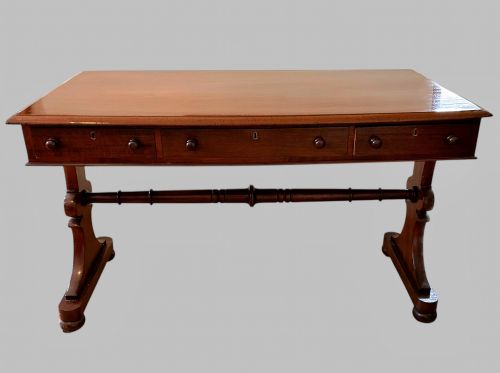
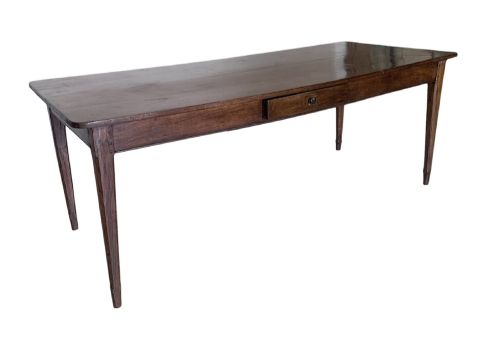
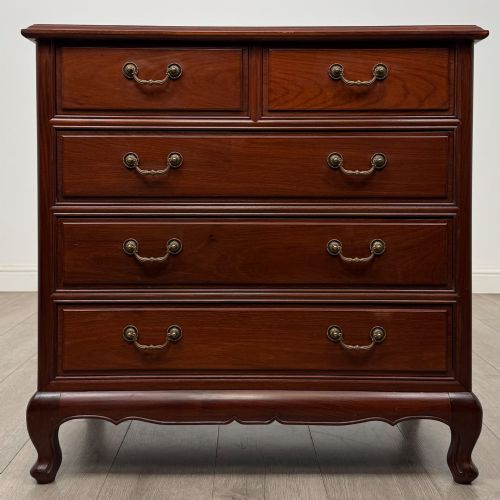
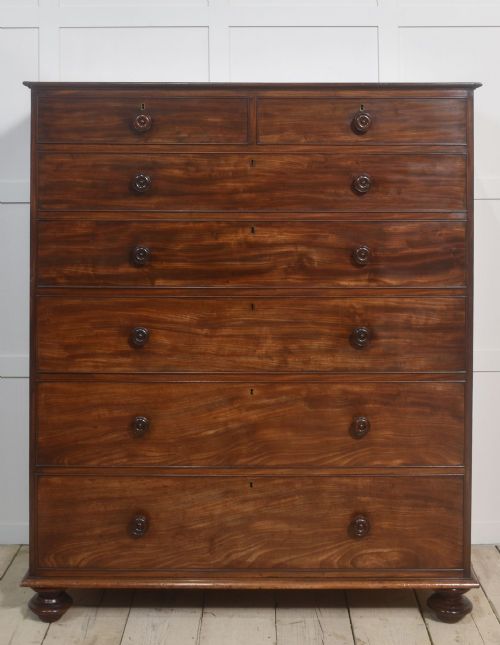
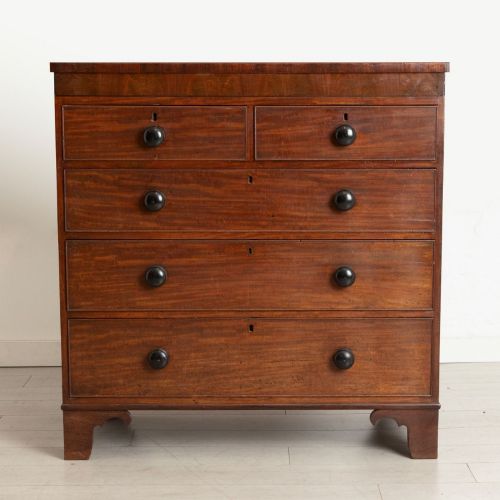
Dark timber drawers encompass sturdy chests, side tables, and apothecary cabinets built from deep-toned woods. When searching for dark timber drawers, buyers typically encounter sturdy pieces originating from Georgian, Victorian, and Edwardian periods.
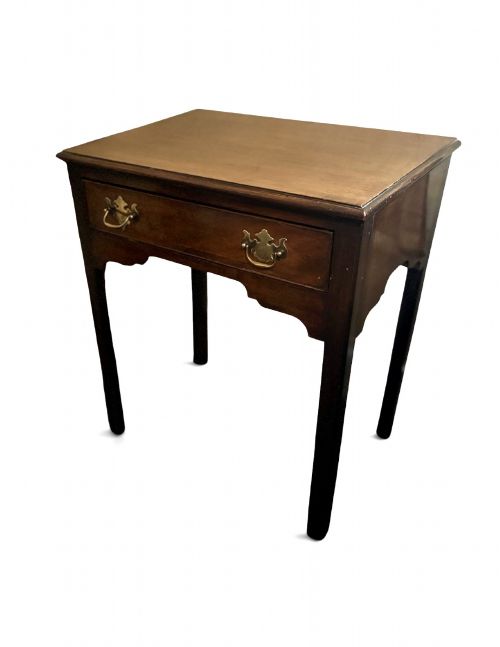
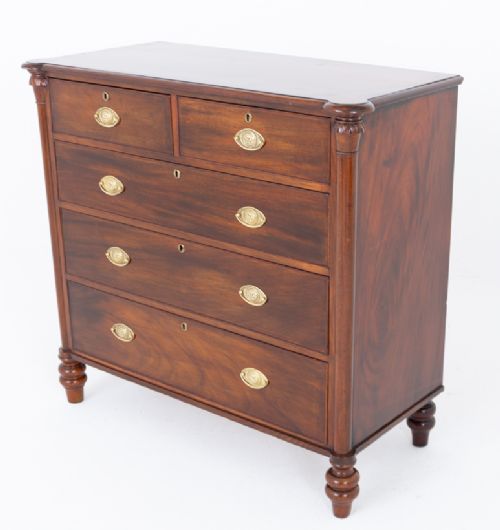
The selection ranges from tall mahogany chests and compact lowboys to specialised banks of drawers and side tables. These items provide practical storage while anchoring a room with rich wood grain and traditional proportions.
What varies in quality
Quality rests in the selection of the timber grain, the precision of the drawer construction, and the integrity of the original hardware. Superior examples display careful matching of wood veneers and solid timber thickness.
The distinction between standard utility items and finer pieces lies in the subtlety of the mouldings, the smoothness of the drawer action, and the preservation of original surfaces.
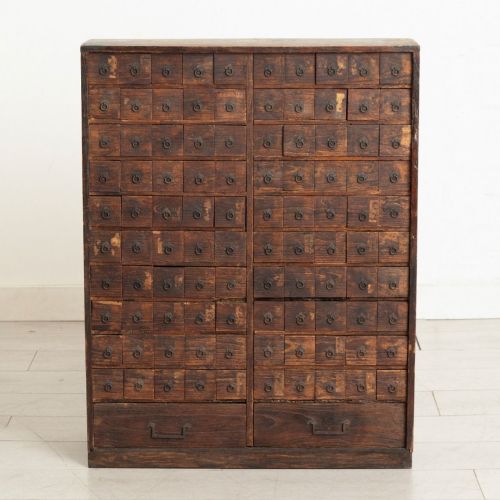
Some apothecary and hardware drawers still whisper of old dried herbs and ironmongery long after their shop floors vanished.
C Hindley·Trussant And Cie
The Dark Timber Drawers Glossary
- Lowboy
- A small dressing table or side table with drawers, typically standing on four tall legs. This form gained popularity during the Georgian period.
- Bowfront
- A curved front facade that bulges outward in the centre. This shape softens the profile of large chests of drawers.
- Wellington chest
- A tall, narrow chest of drawers secured by a hinged locking side flap. It is designed to hold multiple shallow drawers securely.
- Mule chest
- A storage chest featuring one or more drawers built into the base beneath the main compartment. It bridges the transition from trunk to chest of drawers.
- Tansu
- A traditional Japanese mobile storage cabinet built from timber and metal fittings. These pieces range from simple utility chests to elaborate multi-section cabinets.
Dark Timber Drawers: Frequently Asked Questions
How do I date a chest of drawers?
Dating relies on examining construction methods, timber choices, and hardware styles. Hand-cut dovetails and specific wood species point toward distinct eras like the Georgian or Victorian periods.
Secondary details, such as backboards and drawer linings, provide further clues to confirm the age and origin of the piece.
Where should I place a side table with drawers?
These versatile tables fit well beside seating areas, in hallways, or as bedside cabinets. Their surface holds lamps or decorative objects while the drawers contain small everyday items.
Ensure the depth of the piece matches the clearance of the room to maintain comfortable walkways.
How do I care for antique dark wood?
Maintain dark timber surfaces by keeping them away from direct sunlight and steady heat sources. Regular dusting with a soft cloth preserves the polished finish without buildup.
Apply traditional wax sparingly when the wood appears dry, buffing gently to maintain the natural sheen.
What is the difference between oak and mahogany furniture?
Oak offers a prominent, coarse grain and a robust structure typical of earlier rustic and Jacobean pieces. Mahogany presents a finer, smoother grain with deep reddish-brown tones favoured in later formal furniture.
Both timbers provide excellent durability but lend distinctly different visual weights to an interior.