
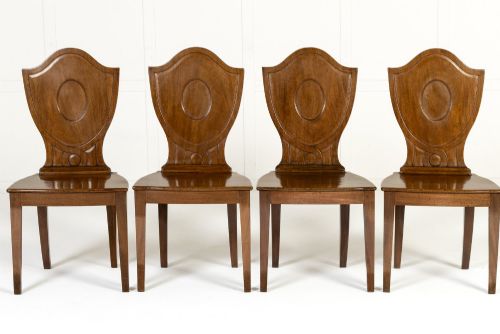
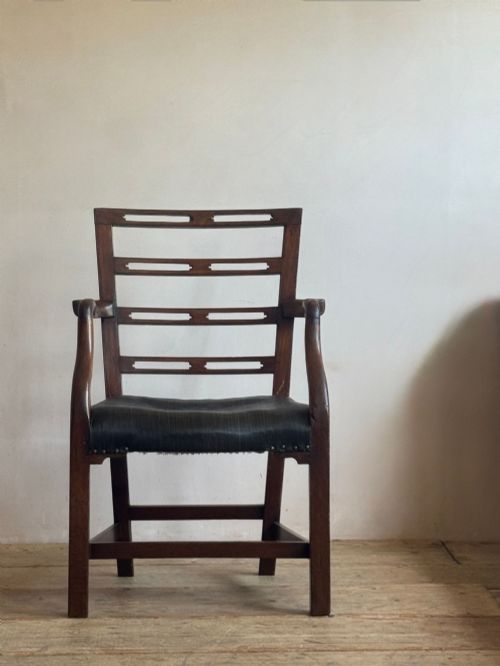
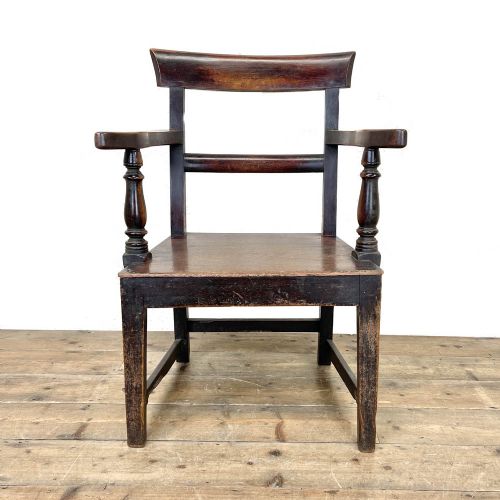
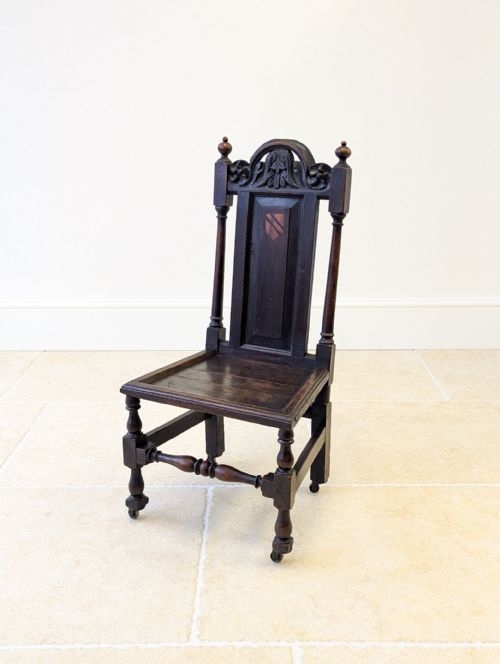





Dark Timber Dining Chair
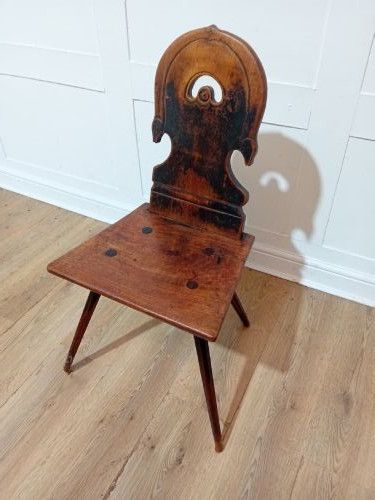
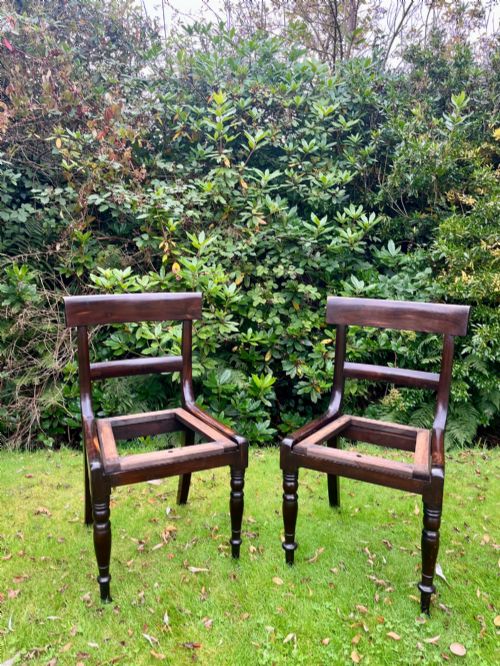
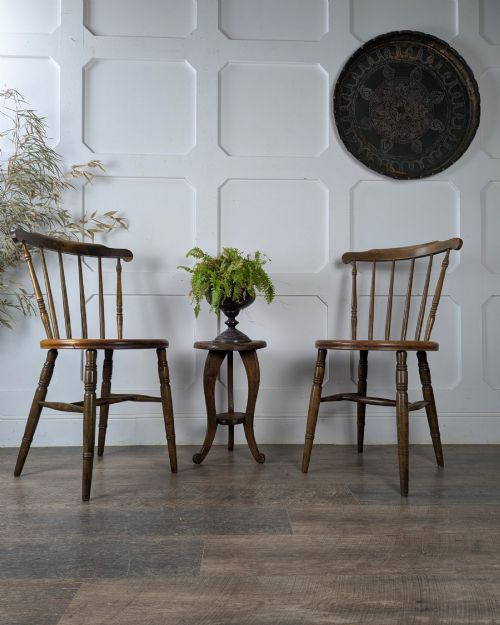
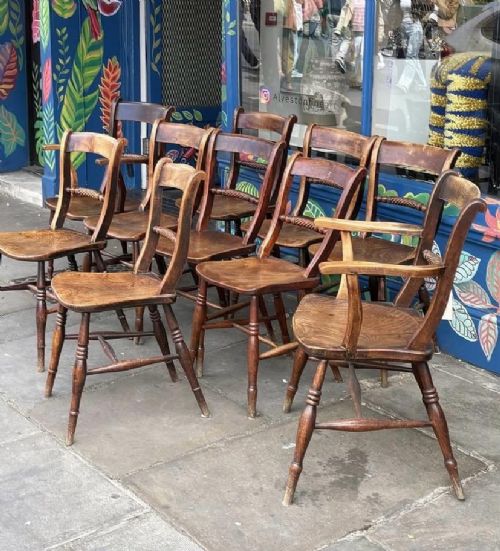
A dark timber dining chair anchors the room with substantial grain and traditional form, spanning centuries of cabinet making from rustic elm to polished mahogany.
Dark Timber Dining Chair
A dark timber dining chair encompasses seating designed for communal tables, alongside related forms like hall chairs, armchairs, and side chairs. These pieces emerge from periods ranging from the seventeenth century through the Edwardian era and into the early twentieth century.
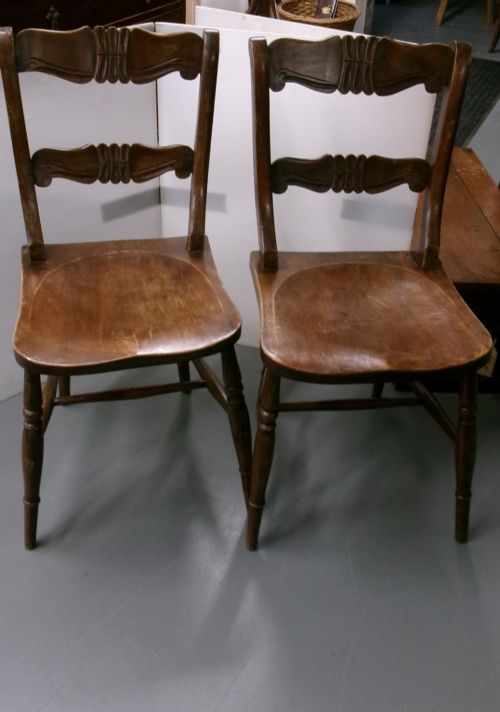
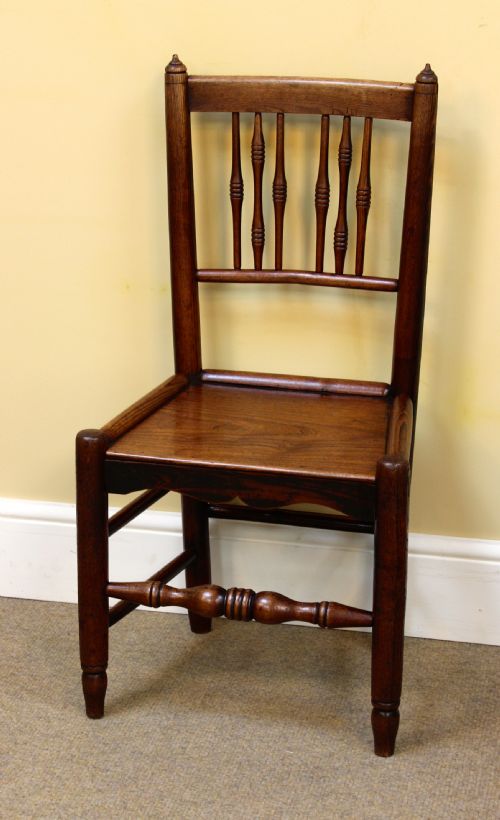
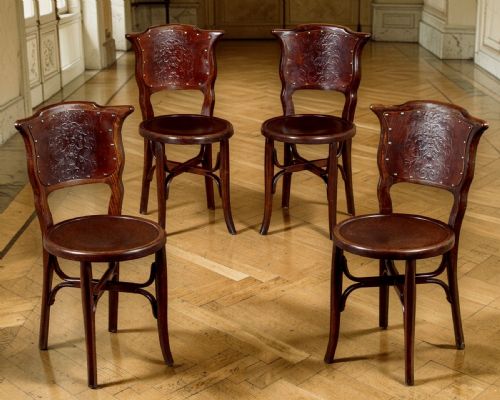
The selections available here showcase significant stylistic variety, moving from robust country styles and Windsor variations to formal Regency, Victorian, and revival designs. Buyers frequently encounter sets of matching chairs as well as pairs and single apprentice or carver pieces.
Origins span English, Irish, French, American, and Burmese workshops, utilising dark woods shaped into ladder backs, stick backs, and carved panel designs. The intended function stretches from formal dining rooms to country kitchens and grand hallways.
Materials and construction methods
Cabinet makers utilised dense hardwoods such as mahogany, oak, rosewood, walnut, and padouk, often pairing them with resilient secondary timbers like ash, elm, and beech. These materials were chosen for their structural strength and deep natural colouration.
Construction involved traditional joinery, steam bending for curved components like Windsor backs and bentwood frames, and meticulous hand carving for decorative motifs. Seats were formed from solid timber boards or constructed to receive fabric, leather, or new upholstery.
Factors determining quality
Quality reveals itself in the selection of the timber, where dense grain patterns and uniform colouration elevate a piece above standard utility items. The depth and precision of hand carving distinguish workshop output from mass production.
Structural integrity depends upon the tightness of the original joinery and the preservation of the timber over centuries of use. Matching sets demonstrate superior value compared to assembled groups where individual chairs vary subtly in proportion or wood tone.
Gillows·Thonet·J & J Kohn·Wheeler
The Dark Timber Dining Chair Glossary
- Carver chair
- An armchair designed to sit at the head of a dining table. These pieces typically feature supportive armrests integrated into the upper frame.
- Hall chair
- A rigid wooden seat traditionally placed in entrance halls. They often incorporate solid timber seats and elaborately carved back panels bearing crests or shields.
- Windsor chair
- A traditional seat constructed with a solid wooden saddle-shaped seat into which turned legs and slender spindle backs are wedged. Common variations include comb backs and stick backs.
- Apprentice piece
- A miniature or full-scale item created by a trainee artisan to demonstrate mastery of a craft. These objects display exceptional technical skill in joinery and carving.
- Bentwood
- Wood softened through steaming or boiling and bent into curved shapes under pressure. This technique produced light yet durable frames.
Dark Timber Dining Chair: Frequently Asked Questions
How do I care for antique dark wood?
Maintain timber furniture by dusting with a soft, dry cloth and avoiding direct placement near heat sources or strong sunlight. Apply natural beeswax periodically to nourish the grain and preserve the finish.
Keep humidity levels stable within the room to prevent the wood from drying out or splitting over time. Avoid harsh chemical cleaners that strip the historic patina.
Are these chairs comfortable for daily use?
Many historical designs feature ergonomically carved wooden seats or supportive ladder backs suited for extended sitting. Upholstered variants provide additional cushioning.
Consider pairing wooden seats with custom squab cushions if extra comfort is required for modern dining habits. The sturdy frames are built to withstand regular domestic use.
How can I date an older chair?
Examine the tool marks, joinery methods, and wood species to establish the likely period of manufacture. Hand-cut dovetails and pit-sawn timber indicate earlier centuries.
Compare the overall style, decorative motifs, and turning patterns against known design periods like the Regency or Victorian eras. Secondary woods often provide clues to the region of origin.
Can I mix different styles around a table?
Combining varied seating creates an eclectic interior while maintaining a cohesive look through unified dark wood tones. Matched sets offer formal symmetry.
Ensure seat heights remain compatible with your dining table when blending different eras or regional styles. Similar leg profiles or timber shades help tie mismatched pieces together.