



Dark Rosewood Wall Mirrors
Dark rosewood wall mirrors bring a deep, rich grain and solid presence to a room, offering both practical reflection and period weight.
Dark Rosewood Wall Mirrors
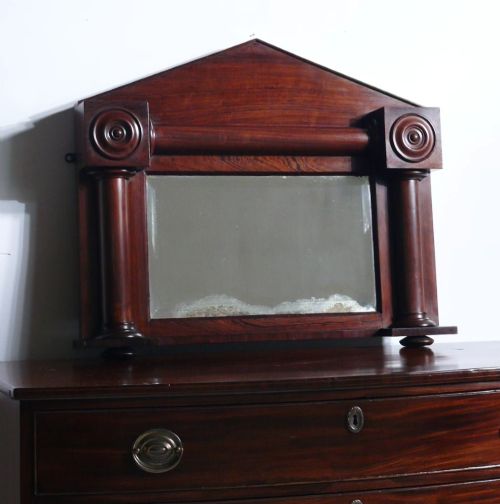
Dark rosewood wall mirrors are substantial pieces designed to hang in reception rooms, hallways, and above fireplaces. They span periods from the Regency era through to the early twentieth century, taking forms such as overmantels, hanging mirrors, and pier glasses.
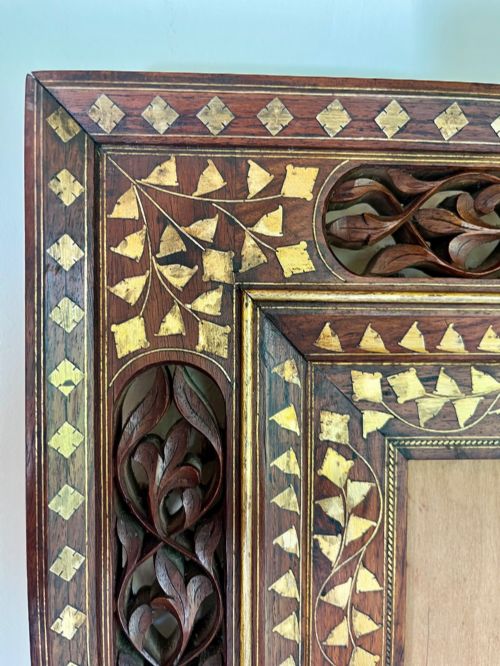
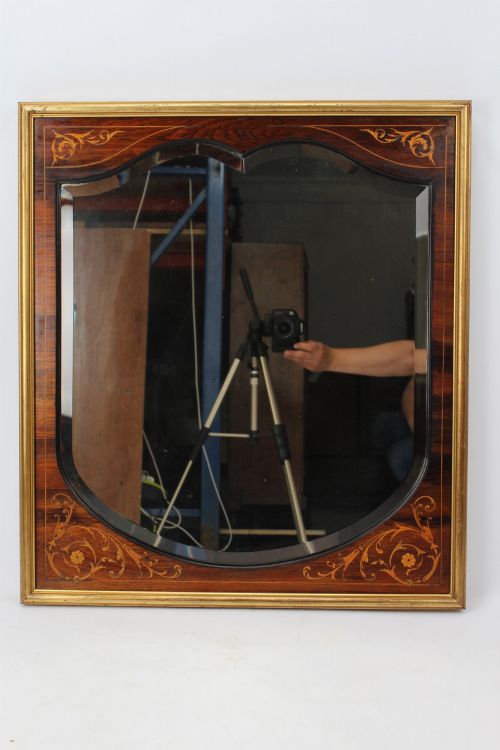
The version you are most likely to meet on this page is the Victorian or Edwardian wall-mounted glass, often featuring boxwood inlay, marquetry, or giltwood highlights. These pieces bring the dark, heavy timber tones typical of nineteenth-century interiors straight onto the wall.
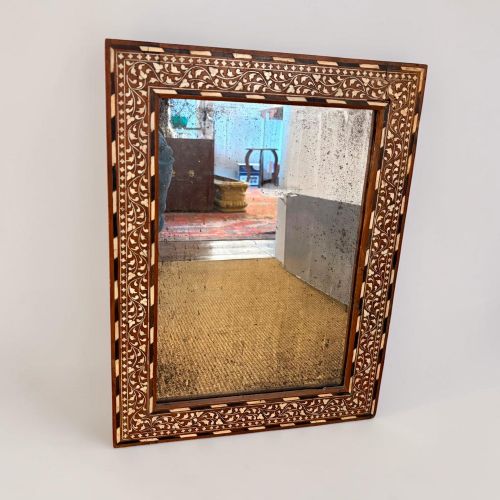
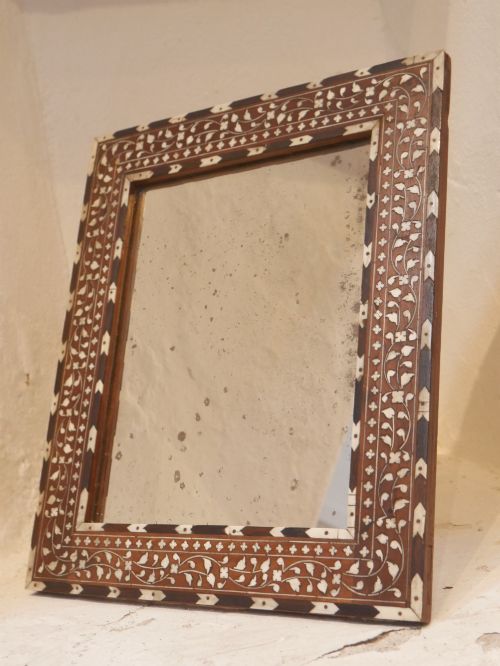
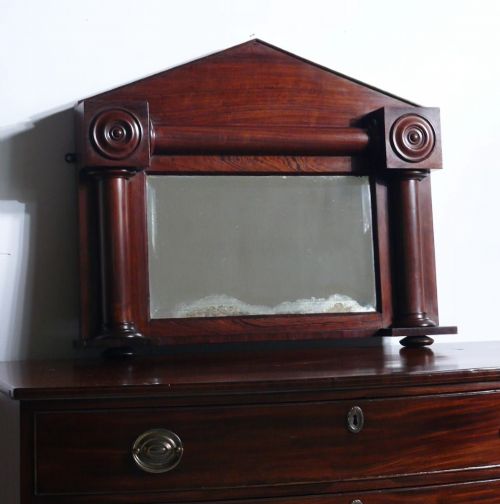
Alongside standard wall mirrors, the selection includes overmantel mirrors designed to sit above a mantelpiece and occasional console tables or wall shelves sharing the same rosewood vocabulary. The styles range from clean Regency lines to ornate Victorian and intricate Anglo-Indian Hoshiarpur work.
What varies in quality
The standard of timber selection and the precision of boxwood inlay set the finer examples apart from simpler framing. Rich, well-figured rosewood grain commands attention, whereas simulated wood finishes represent a different tier of production.
The complexity of the carved detail, particularly in Anglo-Indian frames or intricate marquetry panels, dictates the level of craftsmanship involved. Original mirror glass and well-preserved gilt highlights also influence the overall character of each piece.
Dark Rosewood Wall Mirrors Retail Price Guide 2026
Typical asking prices for dark rosewood wall mirrors among the pieces listed under this phrase on Sellingantiques today, from the lower quarter to the upper quarter. They describe what is for sale here now, not the wider market.
Materials recorded across the current selection include rosewood, giltwood, boxwood inlay, brass, mahogany, and kingwood.
The Dark Rosewood Wall Mirrors Glossary
- Rosewood
- A dense, dark timber prized for its prominent grain and deep colour, frequently utilised in fine nineteenth-century furniture framing. It provides the heavy, durable foundation for these wall mirrors.
- Overmantel mirror
- A large horizontal glass designed to sit directly above a fireplace mantelpiece. These pieces often incorporate giltwood accents and architectural framing.
- Marquetry
- Decorative woodwork where pieces of veneer are fitted into a ground material to form intricate patterns. Boxwood inlay is often used alongside this technique on Edwardian and Victorian frames.
- Pier mirror
- A tall, narrow glass made to hang on the wall space between two windows. They reflect additional light into darker Victorian rooms.
- Anglo-Indian
- A style reflecting the exchange of design and craftsmanship between Britain and India during the nineteenth century. Hoshiarpur mirrors are notable examples of this intricately carved tradition.
Dark Rosewood Wall Mirrors: Frequently Asked Questions
Where should I hang a rosewood overmantel mirror?
An overmantel mirror is traditionally positioned directly above a fireplace mantelpiece to anchor the room's main focal point. Its horizontal proportions reflect light across the space while balancing the weight of the hearth below.
Ensure the wall fixings are secure, as nineteenth-century rosewood and glass frames carry significant weight. Pairing the mirror with a low mantel shelf allows the timber grain to stand out clearly against the wall.
How do I tell a Regency rosewood mirror from a Victorian one?
Regency mirrors tend to display cleaner, more restrained classical lines with simpler geometric framing. They often rely on the natural grain of the rosewood rather than heavy surface decoration.
Victorian and Edwardian versions, by contrast, frequently incorporate boxwood inlay, marquetry, and parcel-gilt details. Overmantel formats also became particularly widespread as nineteenth-century domestic interiors grew more elaborate.
What is an Anglo-Indian Hoshiarpur mirror?
Hoshiarpur mirrors originate from a tradition of intricate woodwork in the Punjab region, imported into British homes during the nineteenth century. The frames are densely carved with floral and geometric patterns across the wooden surface.
These pieces offer a distinct alternative to standard European rosewood framing while sharing the same dark timber palette. Their elaborate carved detail makes them strong decorative accents in smaller spaces.
Can these mirrors be hung in a hallway?
Smaller wall mirrors and hall mirrors from the late nineteenth or early twentieth century suit narrow entrance spaces well. They introduce practical reflection and rich dark timber tones right near the front door.
Look for narrower vertical formats or designs incorporating small display shelves. These compact versions provide a functional surface alongside the glass without overwhelming a modest hallway.