
Dark Oil Portrait Art
Dark oil portrait art gathers centuries of shadowed countenances and muted palettes, offering collectors a direct link to historical figures through enduring painted surfaces.
Dark Oil Portrait Art
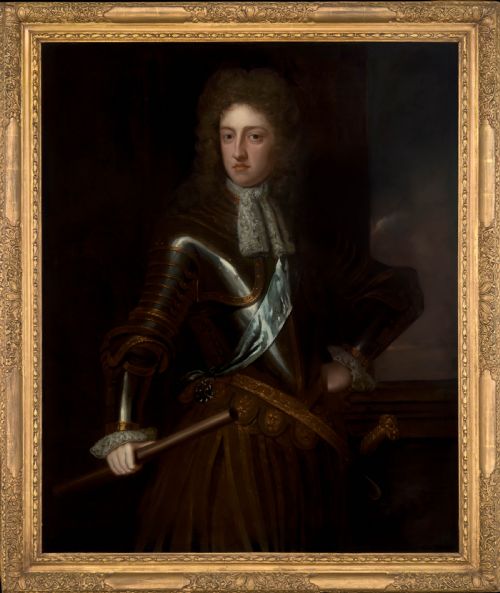
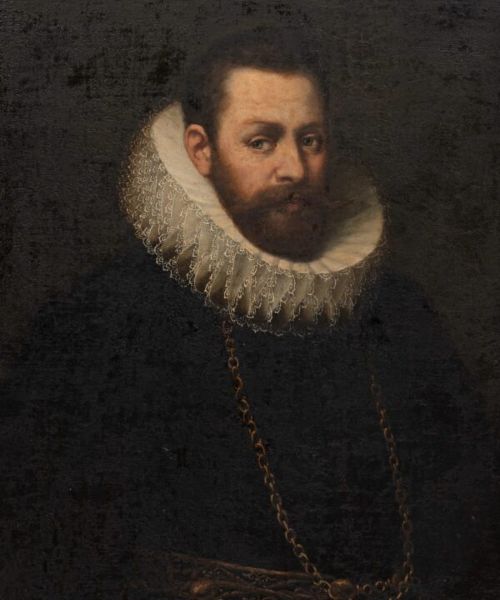
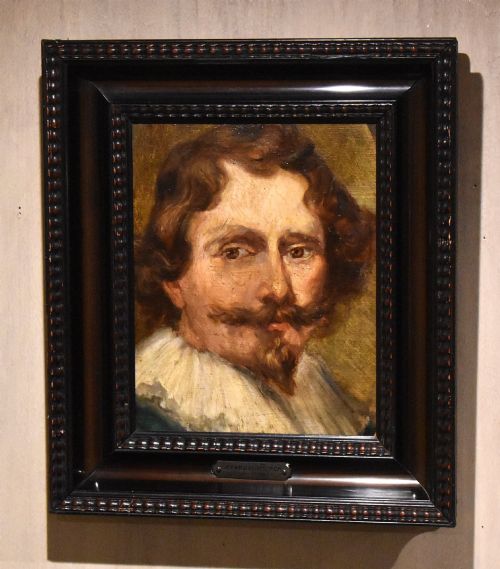
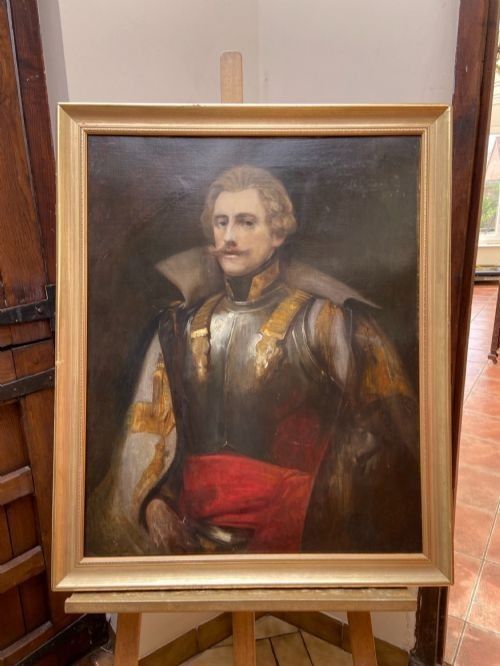
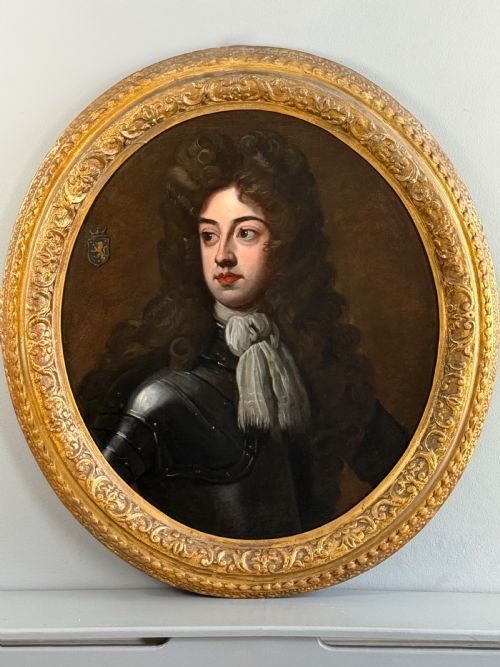
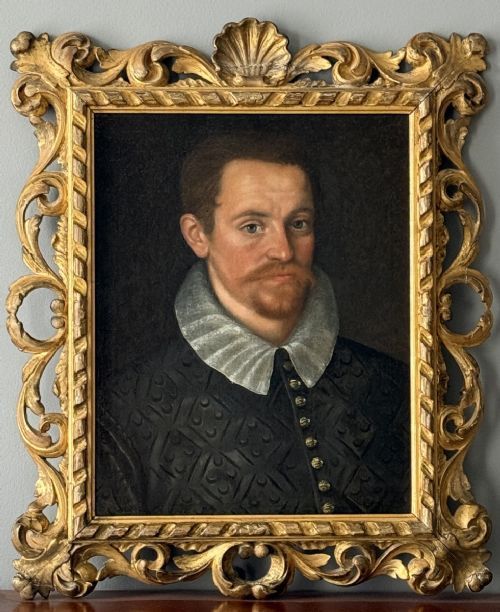
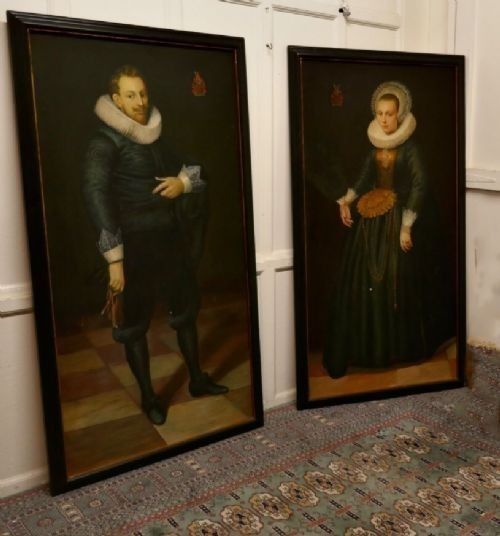
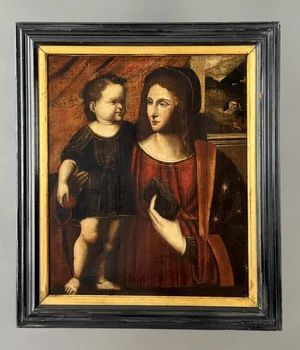
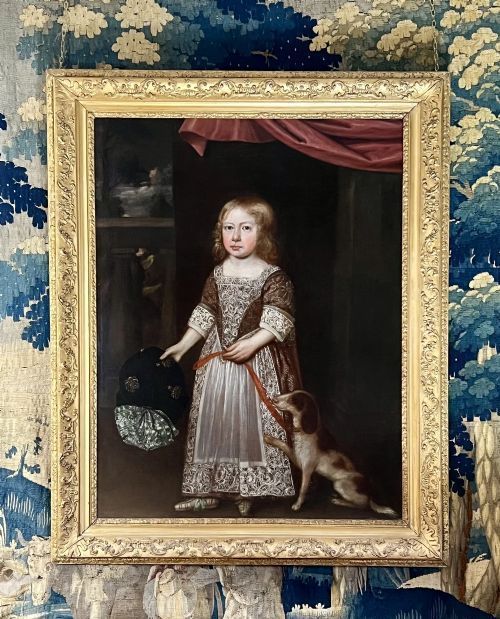
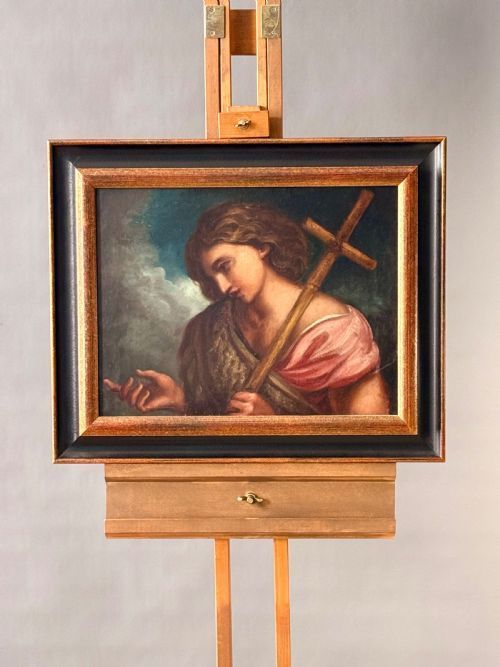
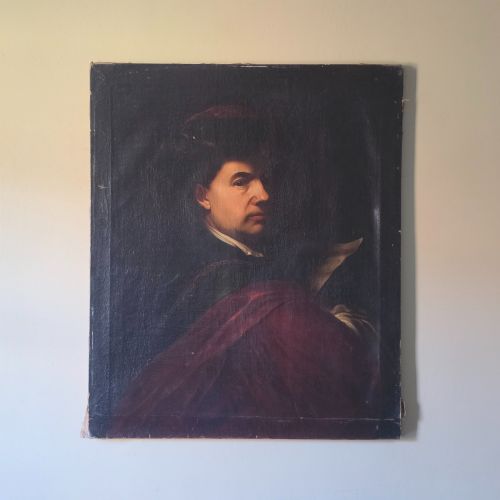
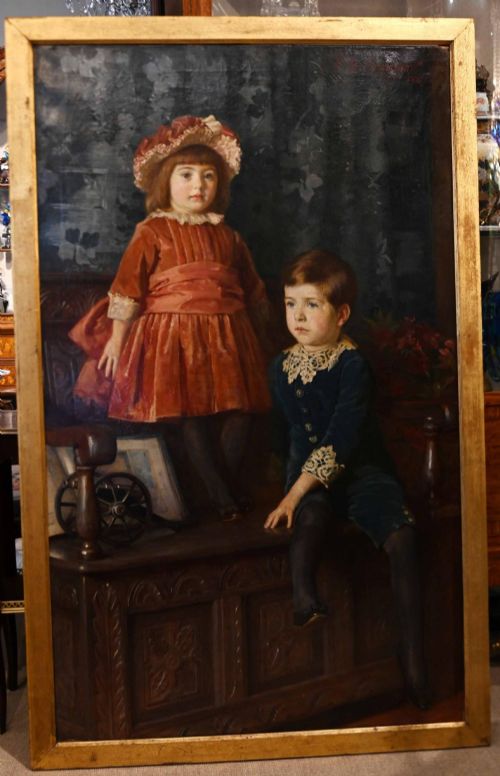
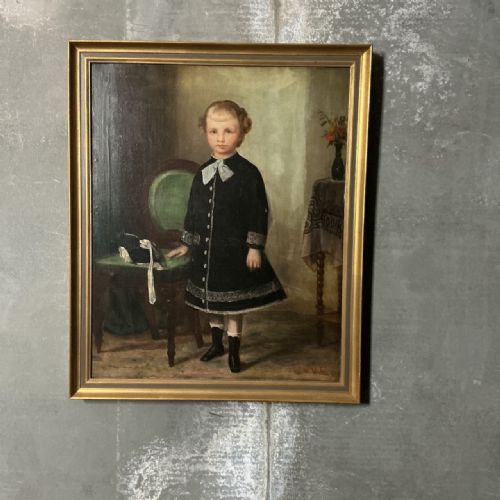
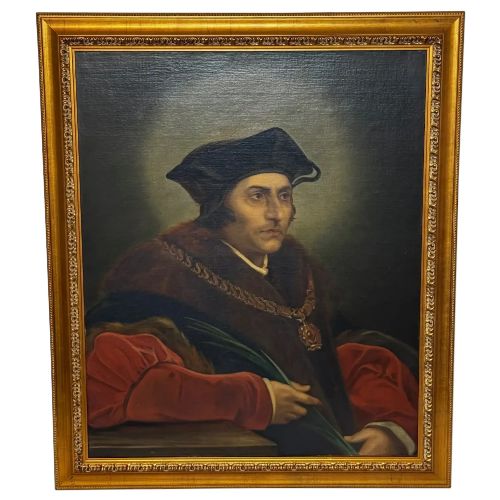
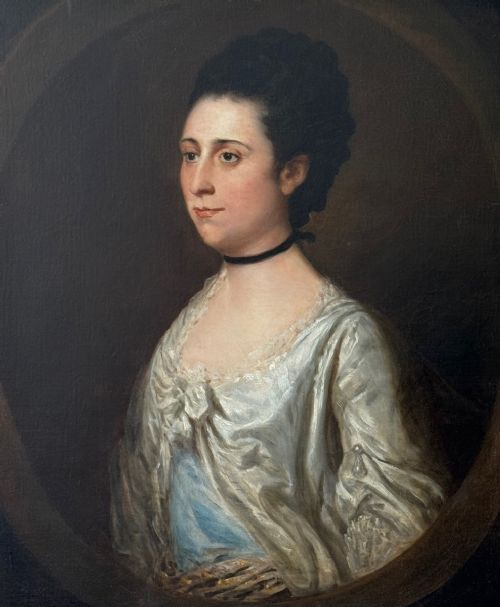
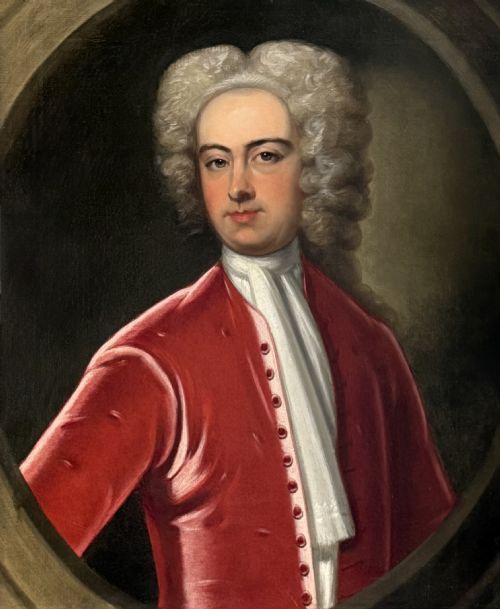
Dark oil portrait art encompasses historic paintings depicting nobility, military officers, judges and anonymous sitters rendered in sombre, atmospheric tones. These works predominantly stem from the seventeenth and eighteenth centuries, though later nineteenth and twentieth-century interpretations also appear across the selection.
The dominant forms include half-length canvases, detailed bust depictions and occasional full-length studies originating from English, French, Dutch and Italian schools. Sitters often emerge from dark backgrounds through careful manipulation of shadow and light, creating the characteristic moody aesthetic that defines this category.
Materials and Construction
Painters of these works utilised oil paint applied primarily to woven canvas or wood panels, occasionally supported by giltwood frames embellished with gold leaf. The foundational layers typically relied on dark grounds, a technique where the artist built highlights upwards from a deeply pigmented base.
Pigments were mixed manually with binding oils, resulting in textured brushwork and deep glazes that have darkened further over centuries of natural ageing and oxidation. Frames were frequently carved from timber and gilded, serving as architectural containers that complemented the heavy, sombre palette of the canvas within.
Racing pigeons occasionally share portrait space with human aristocracy, proving that esteemed ancestors came in feathers as well as ruffs.
Evaluating Quality in Historical Portraits
The preservation of the original paint surface and the historical integrity of the accompanying frame significantly influence the standing of a piece. Works retaining their unlined canvases and early gilding demonstrate superior pedigree compared to heavily restored or re-stretched examples.
Charles Jervas·David Scougall·John Hayls·Sir Godfrey Kneller·Thomas Beach
The Dark Oil Portrait Art Glossary
- Oil on Canvas
- A traditional painting medium where pigmented oil is suspended and applied across a stretched woven fabric support. This combination allows for rich blending and deep tonal graduation.
- Old Master
- A term describing a European artist of high skill working before about eighteen hundred. These painters established foundational techniques in portraiture and composition.
- Giltwood
- Timber that has been decorated with a thin layer of gold leaf or powder. It frequently frames historical oil paintings to enhance their visual weight.
- Doublet
- A close-fitting man's jacket worn during the sixteenth and seventeenth centuries, frequently seen in early portraiture with elaborate embroidery and ruffs.
- Provenance
- The documented history of ownership of an antique object. It establishes authenticity and traces the lineage of a portrait from its creation to the present day.
Dark Oil Portrait Art: Frequently Asked Questions
How do I date a dark oil portrait?
Dating relies heavily on the sitter's costume, including hairstyles, collars, and doublets, which changed noticeably across decades. Stylistic clues in the brushwork and canvas preparation also help narrow the period.
Examining the stretcher bars, nails, and any inscriptions on the reverse provides additional physical evidence to confirm the approximate age of the work.
Where should I hang a dark portrait?
These pieces require walls with moderate ambient light to prevent glare on the varnished surface while avoiding direct, harsh sunlight that damages pigments over time. Neutral or richly coloured walls provide a sympathetic background that complements the deep tones.
Pairing the canvas with traditional room settings or library spaces enhances the historical atmosphere created by the heavy palette and sombre subject matter.
What does after an artist mean?
This attribution indicates that the painting is a later copy or interpretation of a well-known original work by a master painter. Such pieces were often created by students or subsequent artists studying historical portraiture.
These works hold their own distinct place in art history, reflecting the enduring influence of prominent painters like Anthony van Dyck or Godfrey Kneller.