



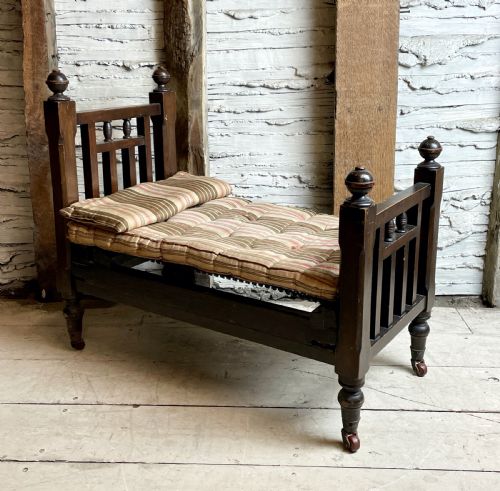


Dark Oak Poster Bed
A dark oak poster bed grounds a bedroom with centuries of honest craftsmanship, sturdy joinery and deep timber colour.
Dark Oak Poster Bed
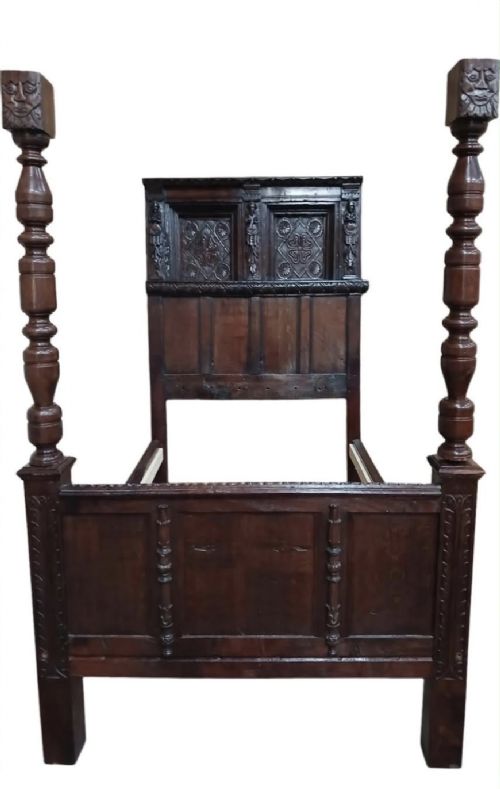
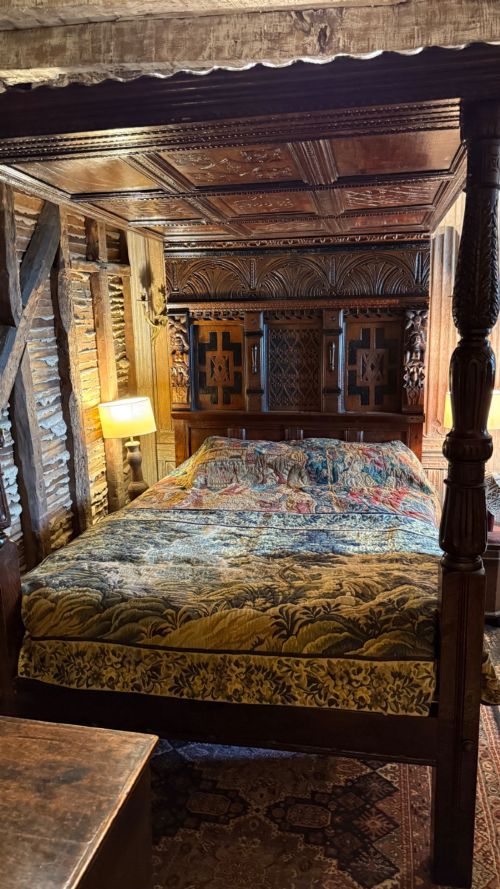
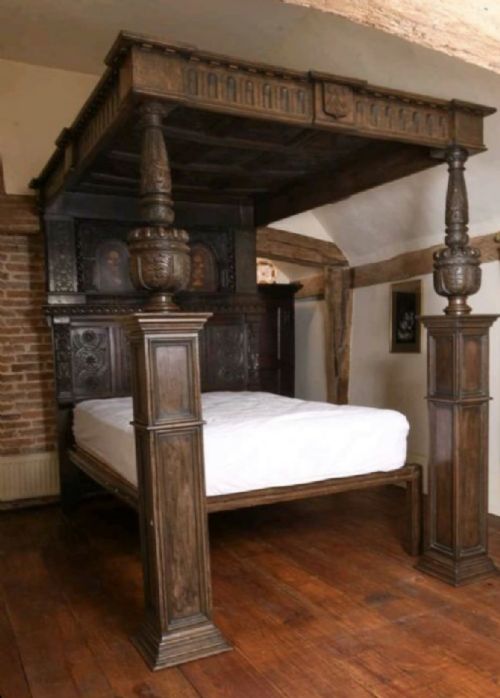
When you search for a dark oak poster bed, you encounter sleeping furniture defined by upright posts, overhead testers and substantial timber frames. The examples span several distinct eras, from original seventeenth-century creations to later revival pieces influenced by Elizabethan and Victorian gothic styles.
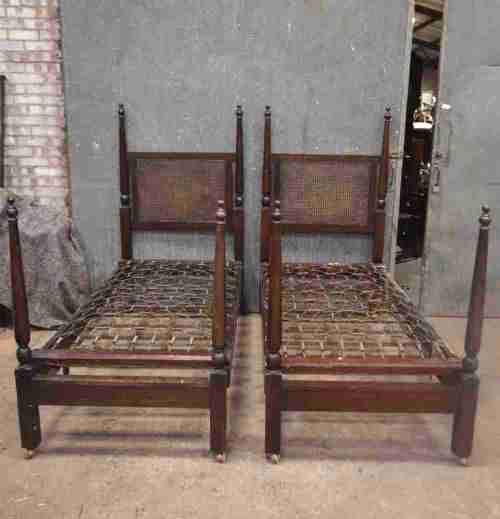
Most items appearing under this heading are full-size double beds designed to accommodate modern mattresses while retaining their historic proportions. You also find single bed pairs, miniature salesman samples or doll furniture, and architectural salvage elements such as carved bed posts.
The dominant material across all forms is dark oak, sometimes enriched with fruitwood inlay or paired with cane, fabric, and metal components. Styles range from severe seventeenth-century joinery to ornate Victorian carving and lighter Edwardian interpretations.
How they were made
Makers built these frames primarily from solid oak, utilising heavy timbers that provided structural integrity for the towering corner posts and overhead testers. Secondary materials like fruitwood appear as decorative inlays, contrasting with the dark background of the primary wood.
Construction relied on traditional joinery methods, supplemented in later revival periods by machine-milled components and applied carvings. Surface finishes include waxed oak and occasional painted or textile elements that soften the architectural severity of the large wooden frames.
Dark Oak Poster Bed Retail Price Guide 2026
Typical asking prices for dark oak poster bed among the pieces listed under this phrase on Sellingantiques today, from the lower quarter to the upper quarter. They describe what is for sale here now, not the wider market.
Doll's beds share the exact hand-carved tester architecture of their full-size counterparts, proving that miniature royalty required equally imposing slumber.
What varies in quality
Quality reveals itself in the depth and sharpness of the hand carving on the posts and headboards, distinguishing master carpentry from simpler output. The integrity of the timber also matters greatly, with well-figured grain and sound structural columns holding higher regard than plain or heavily replaced boards.
Proportion and authenticity dictate the standing of each piece, as seventeenth-century originals carry different expectations of joinery compared to nineteenth-century Gothic revivals or twentieth-century interpretations.
The Dark Oak Poster Bed Glossary
- Bergere
- A type of enclosed armchair or, in the context of beds, a panel featuring woven cane work. This technique adds texture alongside solid timber.
- Fruitwood
- Dense timber derived from fruit-bearing trees such as pear or apple, utilised for contrasting inlay work. It offers a pale tone against dark oak.
- Jacobean
- An architectural and furniture style spanning the early seventeenth century, characterised by rigid symmetry and strapwork carving. It heavily influences many poster bed designs.
- Architectural salvage
- Elements rescued from older buildings, such as carved bed posts or panels, repurposed into decorative objects or furniture components.
Dark Oak Poster Bed: Frequently Asked Questions
Can I fit a modern mattress into an antique oak bed?
Many surviving frames accommodate standard mattress dimensions, though seventeenth-century pieces often require custom sizing or internal platform adjustments.
Checking the internal width and length before purchase ensures your bedding rests securely within the historic wooden rails.
How do I distinguish a seventeenth-century bed from a Victorian revival?
Original seventeenth-century pieces display authentic tool marks, pegged mortise and tenon joints, and centuries of oxidation on the oak surfaces.
Victorian Gothic revivals tend to use machine-sawn timber and crisp, stylised carving that lacks the organic wear of the earlier period.
What is the purpose of the overhead tester?
Historically, the wooden canopy held heavy curtains that enclosed the sleeping space to retain heat and block drafts in cold rooms.
Today, the tester frames the bed visually and provides an anchor for decorative drapery or exposed architectural joinery.
How should I care for dark oak furniture?
Maintain the timber by applying traditional beeswax periodically to nourish the grain and protect the finish from drying out.
Keep the bed away from direct heat sources and dramatic humidity shifts to prevent the heavy oak timbers from splitting.