
Dark Oak Lamp Stand
A dark oak lamp stand brings warmth and sturdy character to a corner, grounding a room with rich grain and traditional craftsmanship.
Dark Oak Lamp Stand
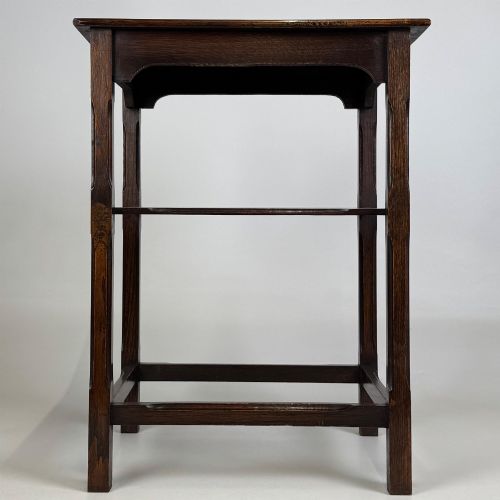
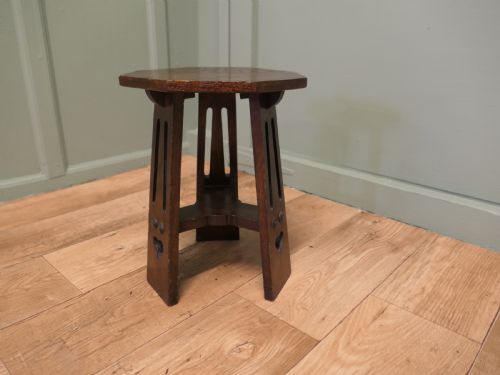
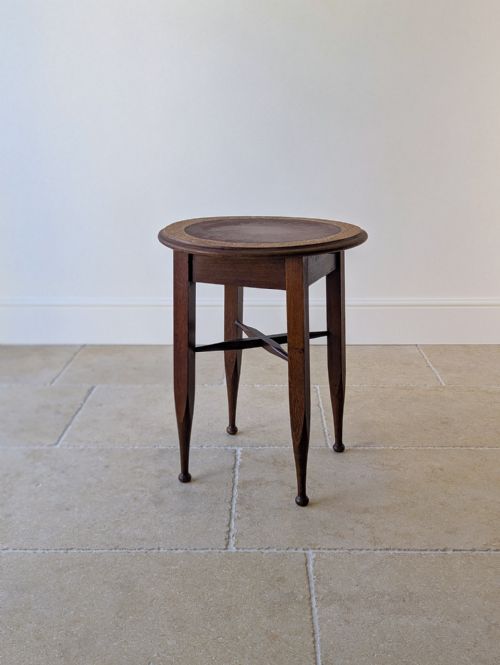
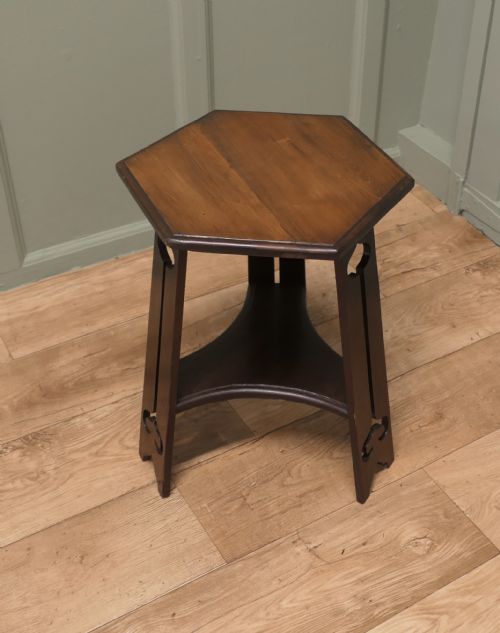
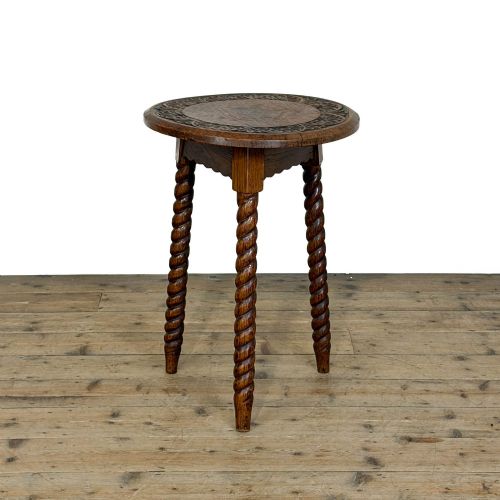
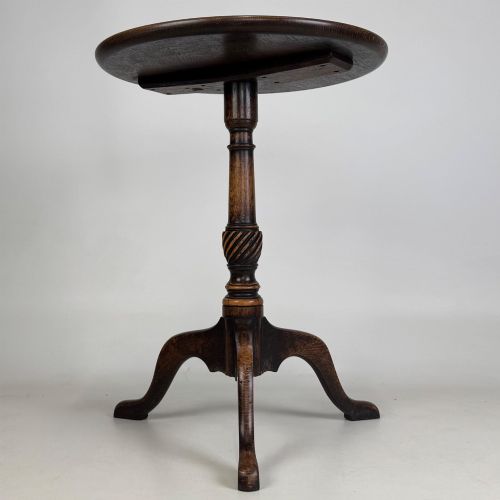
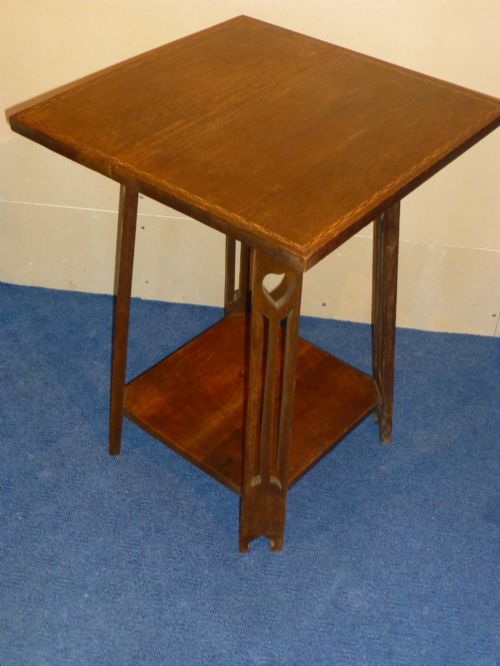
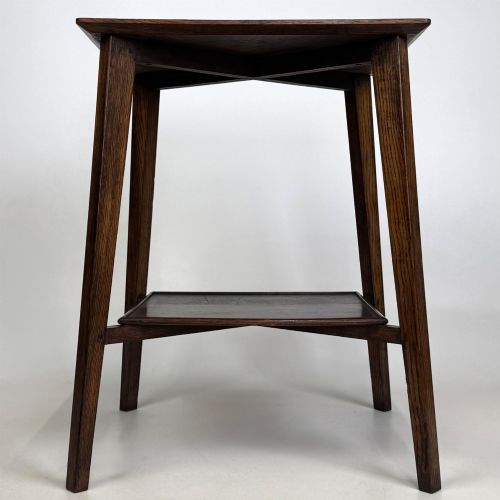
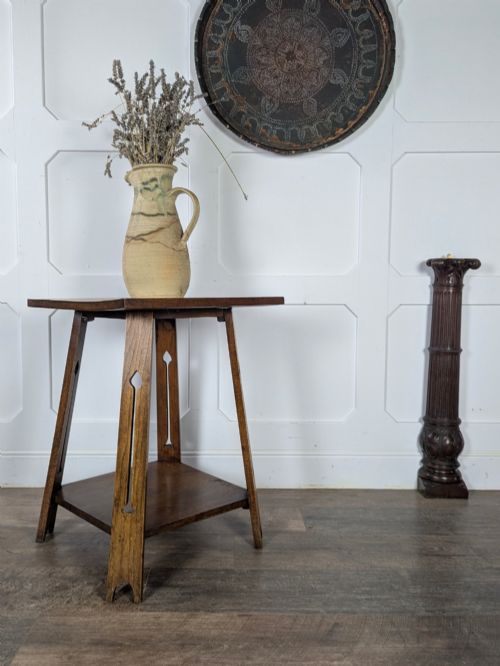
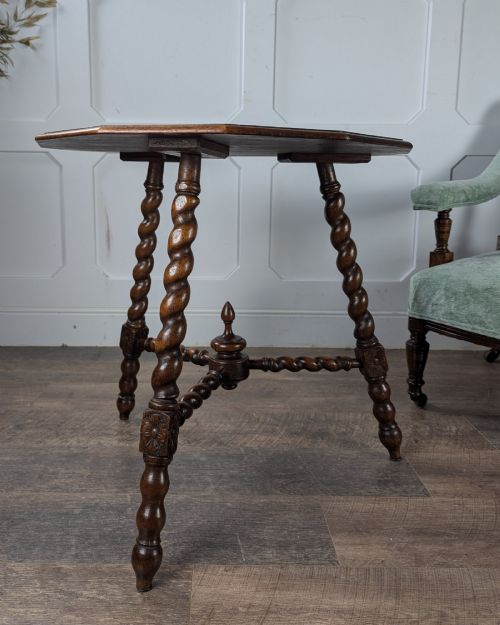
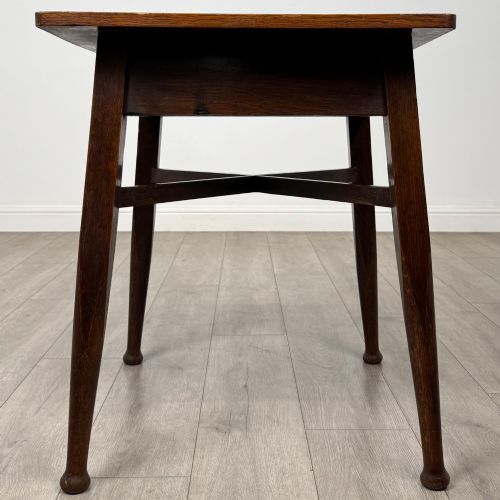
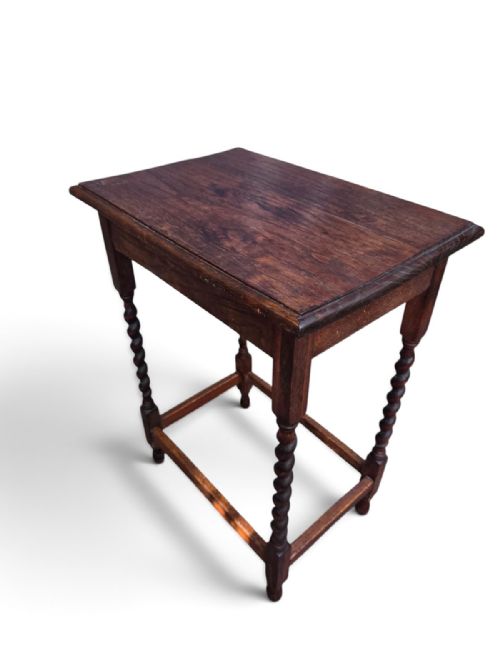
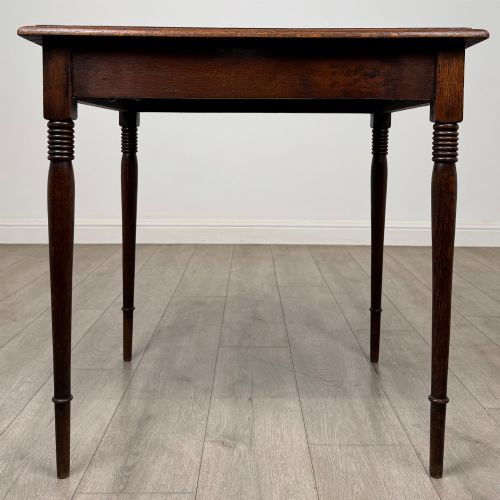
The forms span side tables, occasional tables, tripod tables, plant stands, and standard floor lamps. Most commonly, a buyer meets compact occasional and tripod tables that serve well beside a chair or sofa as a stable platform for a lamp.
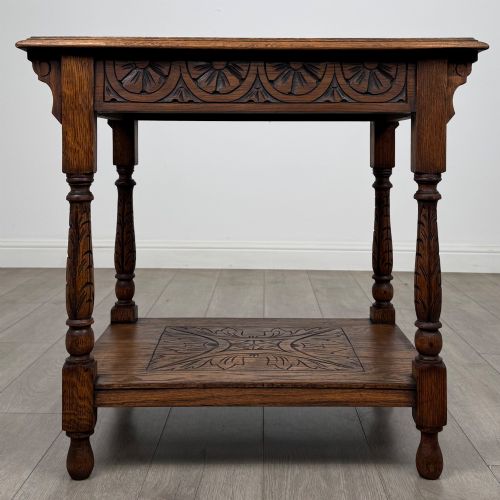
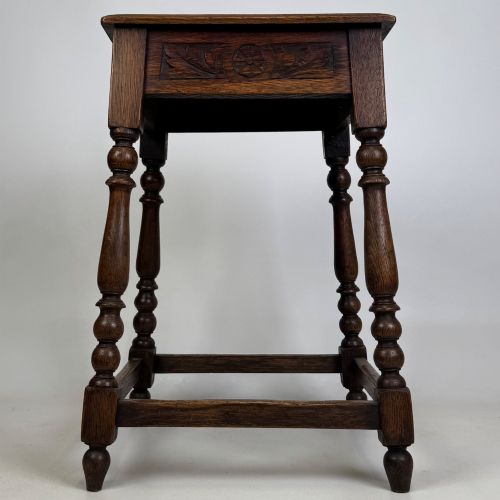
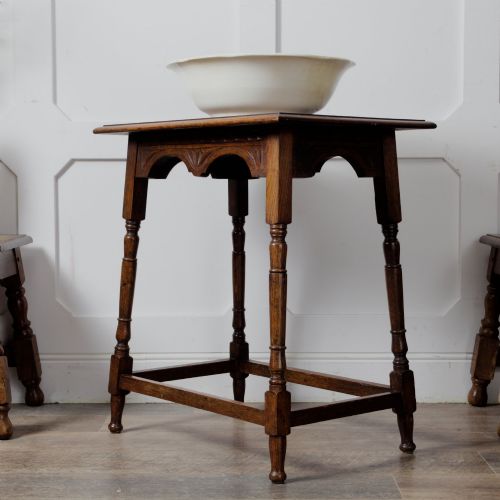
The materials and styles reflect the enduring appeal of solid timber, often enhanced with carvings, barley twist legs, or geometric wood inlay. Pieces range from utilitarian vernacular items to distinct design movements such as Gothic Revival and Art Deco.
How they were made
Constructed primarily from solid oak and burr oak, these pieces rely on the durability and pronounced grain of native hardwood. Makers often incorporated brass fittings, fabric elements, and subtle wood inlay to add contrast and detail to the darker timber surfaces.
Cabinetmakers utilised traditional joinery methods to build stable frames, supporting tripod bases with three legs and securing table tops with tilt mechanisms where appropriate. Surface decoration frequently involved hand carving, such as barley twist turnings, pie crust edges, and structural Gothic motifs.
Some tiny 18th-century tripod tables were built strictly to hold a single candle while families read by the hearth.
What varies in quality
The distinction between standard examples and finer pieces lies in the crispness of the hand carving and the selection of the timber. Timber with rich burr figuring or carefully matched grain elevates a piece beyond simple utility.
Construction methods also dictate quality, particularly the balance and stability of tripod legs and the precision of structural joints. Pieces associated with notable retail houses or specific design schools often display superior proportion and thoughtful detailing.
Liberty and Co·William Birch
The Dark Oak Lamp Stand Glossary
- Tripod table
- A small circular table supported by three legs radiating from a central pillar. These pieces often feature a tilt top mechanism for easy storage against a wall.
- Barley twist
- A type of furniture leg turned on a lathe to resemble a twisted rope or column. This decorative technique appears frequently on late Victorian and Edwardian oak tables.
- Occasional table
- A small, movable table intended for specific, intermittent use rather than central placement in a room. They serve well as lamp stands or side surfaces.
- Pie crust table
- A small table with a raised, carved, and scalloped edge resembling the crust of a pie. This detail is commonly found on round occasional and tripod tables.
- Wood inlay
- Pieces of contrasting timber fitted flush into the surface of the primary wood to create decorative patterns. Arts and Crafts furniture often employs chequered or geometric inlay.
Dark Oak Lamp Stand: Frequently Asked Questions
What is a tripod table used for?
A tripod table functions as a compact surface for holding reading lamps, decorative items, or drinks beside seating. Their small footprint makes them adaptable for tight corners and hallways.
Historically, tilt-top versions allowed the surfaces to be stored flat against a wall when not in use. Today, they remain popular for practical illumination and display in traditional interiors.
How do I date a dark oak table?
Dating relies on observing construction marks, hardware, and stylistic indicators such as carved motifs or leg turnings. Pieces from the Georgian era often show simpler, vernacular turning and pegged joints.
Later Victorian and Edwardian examples frequently incorporate machine-assisted elements alongside hand finishing. Comparing the specific style, such as Arts and Crafts or Gothic Revival, helps narrow down the decade of production.
Are these tables made of solid oak?
Many examples are constructed from solid oak or burr oak, prized for their strength and distinctive grain patterns. Some pieces may incorporate secondary timbers like beech for internal or structural components.
The presence of solid timber gives these stands weight and durability, allowing them to support lamps and heavy objects securely.
How do I style a dark oak lamp stand?
Dark oak stands pair naturally with traditional interiors, adding warmth and a sense of history to a room. They suit placement next to armchairs, reading nooks, or empty corners that require lighting.
To balance the deep tones of the wood, pair the stand with a complementary fabric lampshade or simple pottery. The neutral brown hues integrate easily with a wide palette of wall colours and textiles.