




Dark Oak Coat Hooks
Dark oak coat hooks bring grounded, practical British craftsmanship to an entranceway, offering robust timber and sturdy metal work.
Dark Oak Coat Hooks
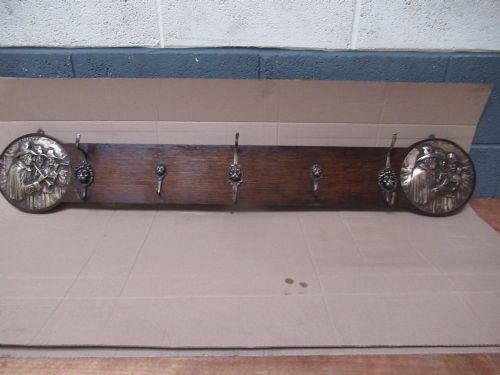
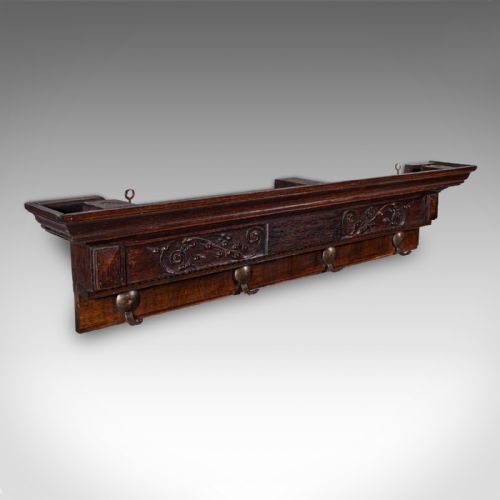
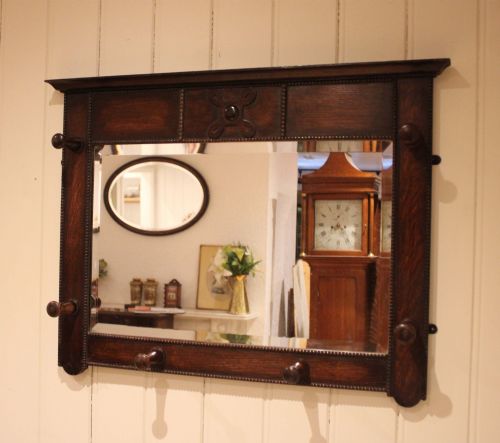
Dark oak coat hooks encompass wall-mounted racks, hall stands and hanging rails designed for practical storage. These pieces combine rich timber backing boards with functional metal or horn hooks.
Buyers browsing dark oak coat hooks encounter examples spanning the eighteenth century through to the art deco period. Victorian and Edwardian iterations dominate the selection, often featuring deep patinated timber and substantial brass or iron fittings.
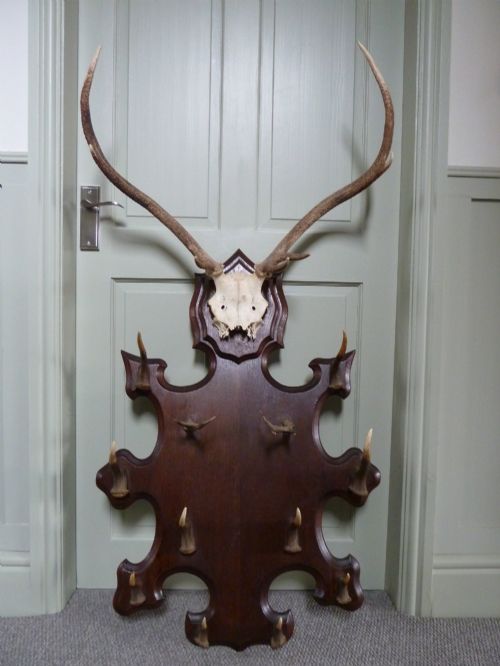
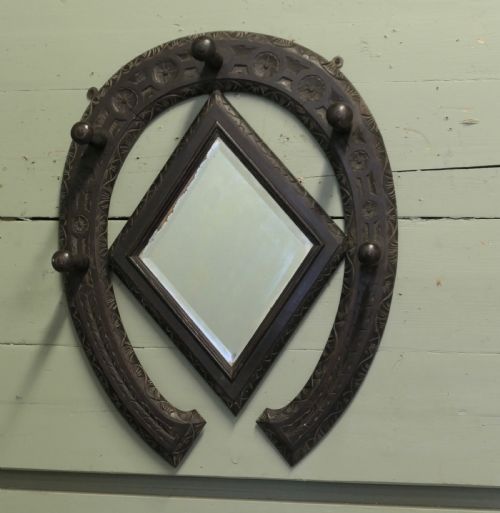
Formats range from simple four-hook wall racks to elaborate hall stands incorporating mirrors and umbrella compartments. Many pieces reflect specific regional vernaculars, including French hunting lodge designs and English country house styles.
How they were made
Construction relies upon solid oak boards, selected for grain density and durability, shaped to accommodate various configurations of hooks. Makers fastened these elements using traditional joinery and sturdy fixing plates for wall stability.
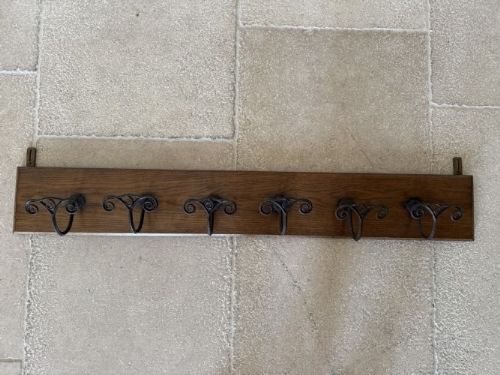
Fittings combine brass, wrought iron, and cast metal, alongside natural materials such as stag horn and bone. These components were screwed or bolted directly into the timber backing to withstand heavy daily use.
Dark Oak Coat Hooks Retail Price Guide 2026
Typical asking prices for dark oak coat hooks among the pieces listed under this phrase on Sellingantiques today, from the lower quarter to the upper quarter. They describe what is for sale here now, not the wider market.
Materials across these listings include oak, brass, wrought iron, and stag horn, spanning the eighteenth century to the 1930s.
What varies in quality
The choice and execution of the hardware dictate the finish of each piece, with hand-forged wrought iron or heavy cast brass elevating the design. Finer items exhibit integrated framing details and robust mounting points that maintain structural integrity under weight.
The Dark Oak Coat Hooks Glossary
- Oak
- A hard, durable timber prized for its prominent grain and strength in furniture making. It forms the primary structure of these racks.
- Arts and Crafts
- A design movement valuing hand-craftsmanship and simple, honest construction. Pieces from this era often show clean lines and thoughtful detailing.
- Hall Stand
- A large freestanding piece of entrance furniture combining coat hooks, a mirror, and glove boxes. Some incorporate umbrella wells at the base.
- Wrought iron
- Iron beaten and shaped by hand into decorative or structural hardware. It provides robust, tactile hooks on period racks.
Dark Oak Coat Hooks: Frequently Asked Questions
How do I mount a heavy oak coat rack?
Secure the rack directly into wall studs or use appropriate heavy-duty wall anchors designed for timber weight. Ensure the fixing screws match the depth and load capacity of the mounting holes.
Distribute weight evenly across the hooks once installed to prevent strain on the wall fastenings and the wooden backplate.
What periods do these coat hooks come from?
The available pieces span from the eighteenth century through the Victorian and Edwardian eras up to the 1930s. Each era introduces distinct design characteristics, from plain early hanging rails to elaborate carved hall stands.
Victorian and Edwardian items are most common, frequently displaying rich patination and robust brass or iron hooks.
How should I clean dark oak wood?
Dust the timber regularly with a dry, soft cloth to prevent particulate buildup in the grain. Apply a quality beeswax periodically to nourish the surface and preserve the dark finish.
Avoid using silicone-based polishes or excessive moisture, which can damage the aged patina of the oak.
Are horn and bone hooks durable?
Stag horn and bone hooks provide sturdy hanging points when properly mounted into a solid oak backplate. They were traditionally utilised in country house and sporting contexts for hats and coats.
Treat these natural materials with care, avoiding impact and heavy dampness to maintain their structural integrity.