






Dark Oak Cherub Carving
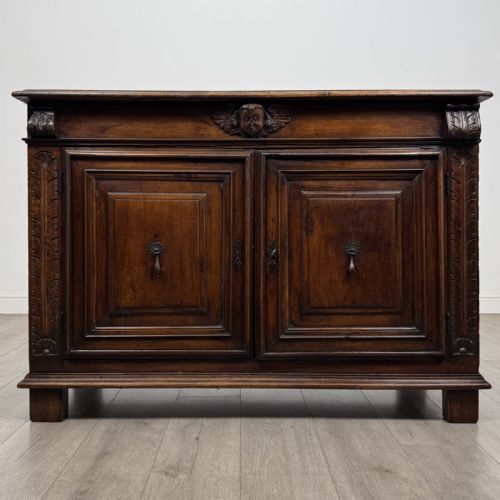
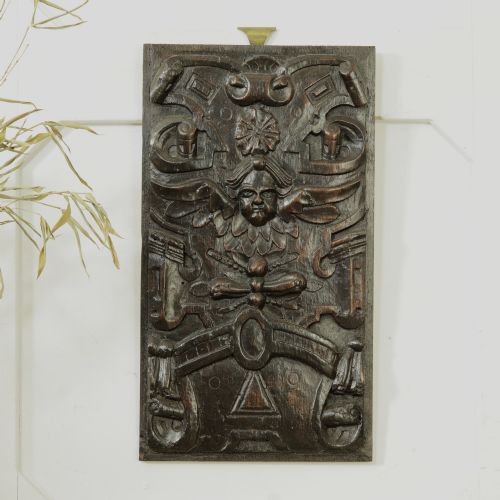
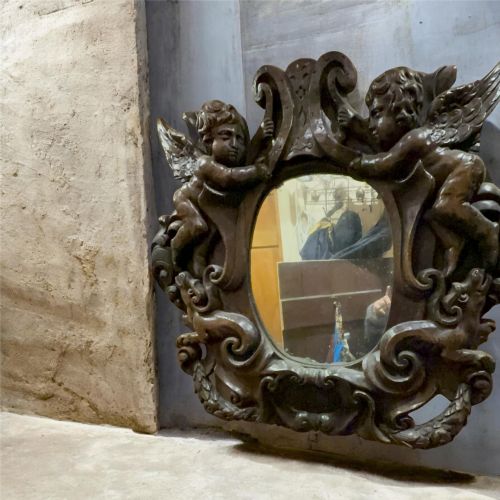
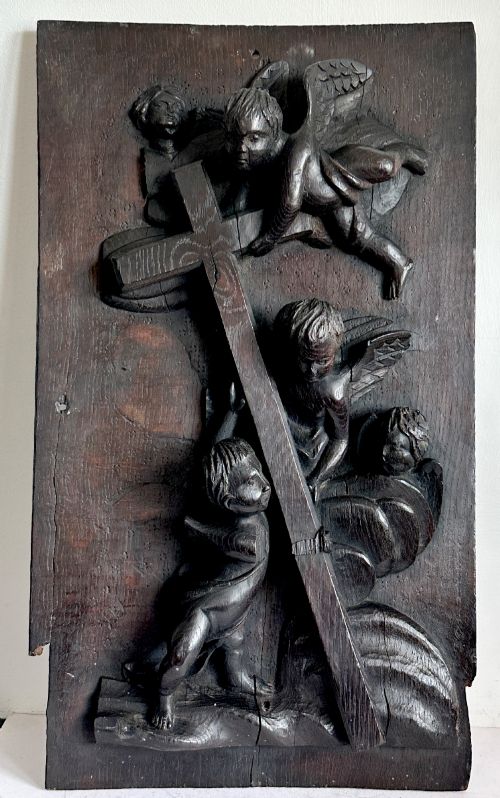
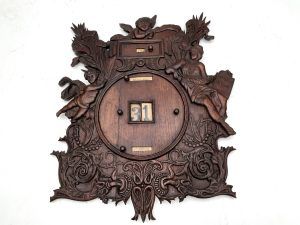
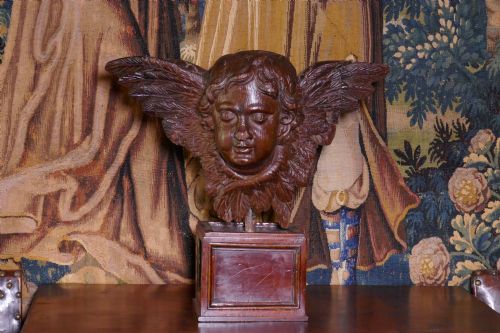
A dark oak cherub carving brings seventeenth-century architectural presence and sculptural depth into a modern room.
Dark Oak Cherub Carving
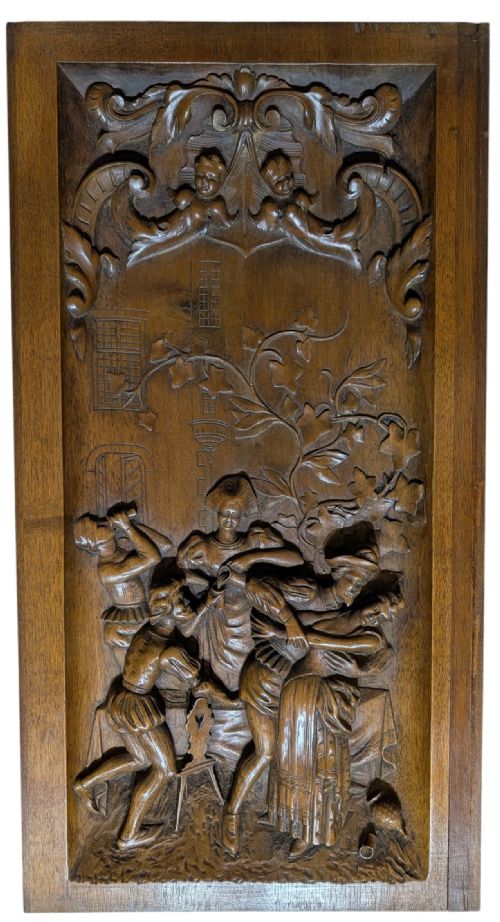
A dark oak cherub carving represents architectural salvage and wall relief work drawn primarily from the seventeenth, eighteenth, and nineteenth centuries. These pieces take the form of wall carvings, panels, mirrors, and sculptural figures executed in heavy timber.
The objects span varied revivals including Renaissance, Baroque, and Jacobean styles. Collectors encounter architectural elements originally integrated into larger interiors, such as overdoor panels, staircase fittings, and console tables.
Surviving examples reflect the heavy domestic and ecclesiastical joinery of their respective periods. The dark timber patination develops from centuries of wax, handling, and age.
How they were made
Maker-carvers worked primarily in solid oak and carved walnut using gouges, chisels, and hand mallets. The timber was frequently quarter-sawn to yield stable boards with pronounced medullary rays before relief work began.
Execution ranges from low surface incision to high-relief and pierced carving involving deep undercut foliage, acanthus leaves, and figural anatomy. Surface finish relied on natural oil dressings, wax polish, and decades of oxidation rather than modern sealants.
Dark Oak Cherub Carving Retail Price Guide 2026
Typical asking prices for dark oak cherub carving among the pieces listed under this phrase on Sellingantiques today, from the lower quarter to the upper quarter. They describe what is for sale here now, not the wider market.
The evidence spans wall mirrors, architectural salvage, drop front cabinets, and armchairs.
What varies in quality
Quality rests upon the anatomical crispness of the carving and the depth of the timber relief. Pieces exhibiting sharp undercutting and confident tool marks in the wood separate standard decorative salvage from masterworks.
Integration of the fragment matters greatly, as does the integrity of the original dark patination. Carvings retaining their primary timber ground without extensive later patching command stronger interest from serious buyers.
Edward Pearce
The Dark Oak Cherub Carving Glossary
- Carved oak
- Timber shaped using sharp edged steel tools to produce three-dimensional decoration. It forms the primary substrate for these architectural fragments.
- High-relief
- A sculptural technique where figures project significantly from the background plane. This method creates strong shadow lines across the timber.
- Pierced carved
- Openwork decoration where the wood is cut completely through to create a lace-like pattern. It appears frequently on seventeenth-century acanthus panels.
- Architectural salvage
- Salvaged building elements removed from older structures during demolition or remodelling. These items include overdoor panels and staircase components.
- Baroque
- A seventeenth-century European style characterised by theatrical motion and exuberant detail. It manifests in these listings through dynamic acanthus and cherubic motifs.
Dark Oak Cherub Carving: Frequently Asked Questions
How do I hang a heavy oak panel?
Heavy oak panels require structural fixings screwed directly into timber wall studs or masonry anchors. Professional mirror plates or integrated french cleats distribute the substantial weight safely.
Avoid relying on simple picture wire or plasterboard fixings for dense seventeenth-century timber. Consult a professional installer if the wall construction is uncertain.
Are these carvings from church interiors?
Many architectural fragments originate from ecclesiastical settings, secular mansions, and historic townhouses. Ecclesiastical Gothic and Baroque elements frequently derive from dismantled church screens and pulpits.
Domestic interiors also utilised heavy carved overdoor panels and staircase components. The specific provenance remains tied to the architectural practices of each era.
How do I date an oak panel?
Dating relies on tool marks, timber shrinkage patterns, joint construction, and stylistic conventions. Seventeenth-century work displays distinct hand-adzed surfaces and iron-gouge signatures invisible in later Victorian revivals.
Wear patterns, nail types, and the depth of the dark oxidation provide further clues. Compare the carving style against documented ecclesiastical and domestic interiors of the period.